Health Articles
Knowledge
Be aware of the silent threat: 5 high-sodium foods to avoid to reduce the risk of kidney disease
CHALOTHORN TAESILAPASATHIT,M.D.
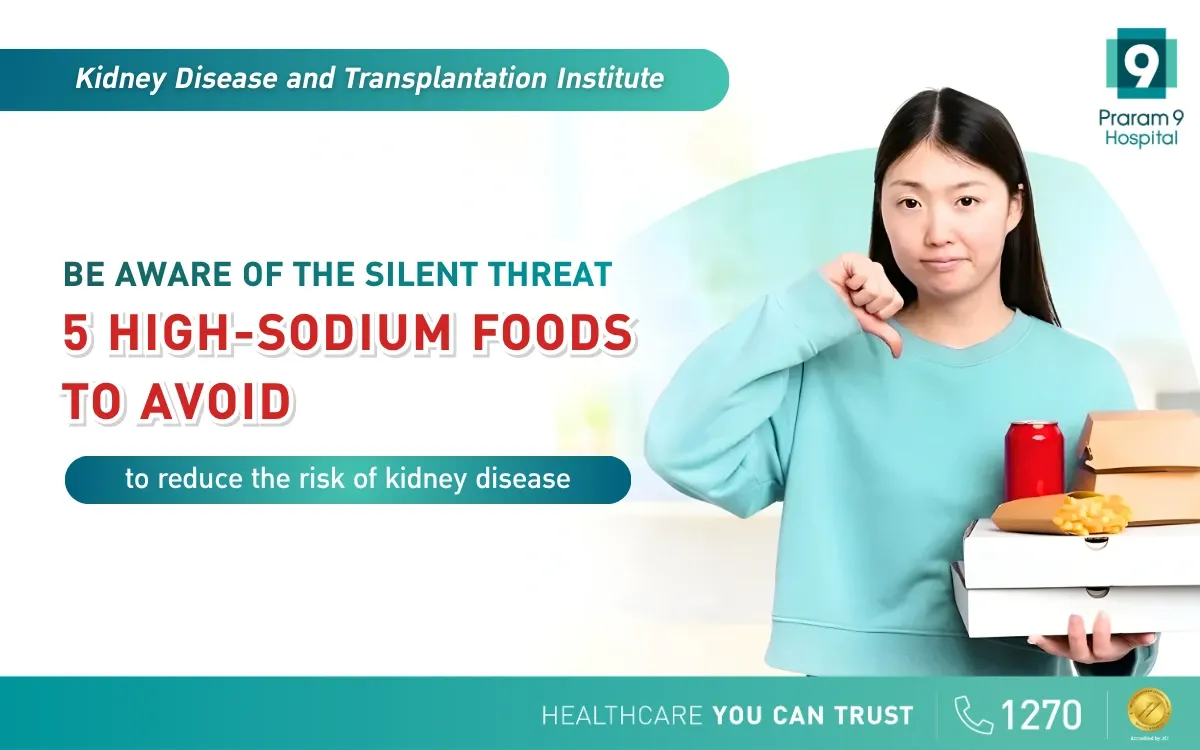
Currently, most Thai people have behavior of consuming sodium exceeding the recommended amount by up to 2 times, which is a warning sign indicating the risk of future health problems, especially the risk of hypertension and chronic kidney disease, which may cause various complications and can be life-threatening.
This article will introduce what foods are high in sodium, how excessive sodium consumption affects the body, as well as guidelines to reduce daily sodium intake to help reduce the risk of the silent threat hidden in delicious meals.
Key Takeaways
- Consuming foods with high sodium exceeding the recommended amount, which is approximately 2,000 milligrams per day regularly, may cause serious health problems such as hypertension and chronic kidney disease.
- Foods high in sodium do not necessarily always taste salty, but may be hidden in various types of foods, whether processed foods, fast food, or snacks.
- Consumption behavior should be adjusted to reduce sodium in the body, which will be beneficial for long-term health.
What is sodium? How is it important to the body?
Sodium is a type of mineral that is important for the functioning of the human body. Although it is well known as the main component of table salt (Sodium chloride: NaCl), sodium is also found naturally in many foods, including being added to processed foods to enhance flavor and act as a preservative.
The main functions of sodium in the body include maintaining fluid balance in the body, controlling blood pressure, functioning of the nervous system and muscles, including absorption of nutrients and minerals in the kidneys and small intestine.
However, the amount of sodium the body needs is limited. The World Health Organization (WHO) recommends 2,000 milligrams per day, equivalent to 1 teaspoon of salt or approximately 5 grams. If consumed excessively, it will severely affect health; therefore, high-sodium foods should be avoided for long-term benefit.
Daily sodium requirement
Although generally the World Health Organization recommends sodium intake not exceeding 2,000 milligrams per day, each age group has different sodium requirements. Sodium intake should be controlled within the following criteria.
5 high-sodium foods to avoid, frequent consumption increases risk of kidney disease
Many people may understand that high-sodium foods are only salty foods, but in fact sodium is also hidden in many other types of foods. So what types of foods contain sodium? These are 5 high-sodium foods that should be avoided for good long-term health.
Processed and semi-prepared foods
These types of foods often undergo preservation processes that include the addition of monosodium glutamate (MSG), which is a flavor enhancer, and sodium nitrite to extend shelf life and maintain food color, especially processed meats such as sausages, ham, bacon, Vietnamese pork sausage, or various smoked meats.
In addition, just one packet of instant noodles may contain as much as 1,800 milligrams of sodium, or almost equal to the amount the body should receive per day.
Snacks and bakery
Many people may think that desserts or bakery items should not have high sodium, but in fact manufacturers often add salt to balance flavor and enhance taste, such as bread, cookies, cakes. Even though sweet taste is dominant, salt is usually added in appropriate amounts to enhance flavor, including the use of baking powder that contains hidden sodium. In addition, snacks such as potato chips, corn snacks, crackers, and biscuits are also high in sodium.
Seasoning sauces and dipping sauces
In addition to table salt used in cooking, various seasonings that we use regularly such as fish sauce, soy sauce, shrimp paste, oyster sauce, monosodium glutamate, soup cubes, including dipping sauces and ready-made sauces such as chili sauce, ketchup, chicken dipping sauce, suki dipping sauce, or seafood dipping sauce, are all important sources of sodium and are often overlooked. If being a person who eats very salty but does not know how to fix it, should start by reducing the amount of these seasonings.
Canned foods
Whether canned fish, canned soup, or pickled fruits and vegetables in cans such as pickled mustard greens, pickled cucumbers, or pickled bamboo shoots, these foods often have added salt or sodium in high amounts to preserve and extend shelf life. Frequent consumption of canned foods will cause the body to accumulate excessive sodium and may lead to edema and cause the kidneys to work hard to excrete sodium.
Fast food
Fast foods such as burgers, fried chicken, pizza, French fries all contain high sodium from many components, including meat marinated with salt, sauces added in large amounts, including bread that often contains baking powder and salt in the dough-making process. If necessary to consume, the amount should be limited and vegetable intake increased to provide more benefits to the body.
Excessive sodium: how does it affect health
When the body continuously receives high-sodium foods, it will lead to several risks as follows:
- Hypertension: It is a common effect. When there is too much sodium in the bloodstream, the body will try to maintain balance by drawing water from other parts into the blood vessels, causing the volume of fluid in the vessels to increase, resulting in increased blood pressure.
- Kidney disease: The kidneys have the main function of excreting excess sodium from the body. When the kidneys have to work continuously to excrete large amounts of sodium, kidney function decreases, causing damage to the nephron units and eventually leading to chronic kidney disease or acute kidney failure.
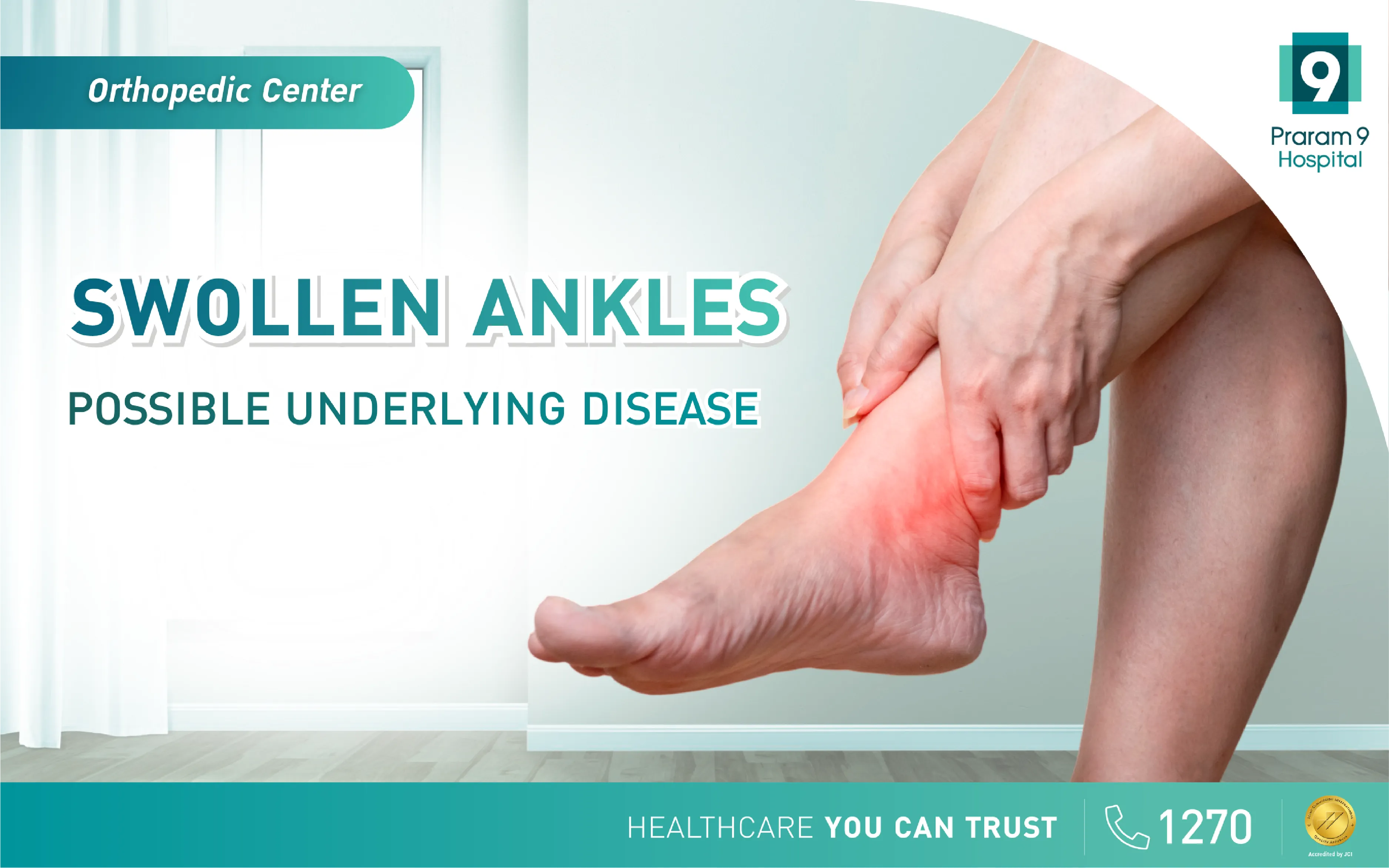
- Edema: The body retains water to dilute excess sodium, causing swelling in various parts of the body, especially swelling of the hands, face, and feet.
- Hyperuricemia: Consumption of high-sodium foods may interfere with the excretion of uric acid from the body, increasing uric acid levels, raising the risk of gout and nephritis.
- Cardiovascular disease: Hypertension caused by excessive sodium is an important cause leading to many cardiovascular diseases.
Guidelines to reduce high-sodium foods for better health
Eating a lot of sodium, how to fix it, and how to reduce sodium in the body sustainably? For good long-term health, the following recommendations can be followed:
- Read nutrition labels, choose foods labeled low sodium, reduced sodium, or containing less than 140 milligrams of sodium per serving.
- Cook food by yourself and emphasize using herbs instead of salt or ready-made sauces such as garlic, pepper, onion, lemon.
- Avoid high-sodium foods such as pickled foods, shrimp paste, salted fish, chili paste, seafood dipping sauce; reduce seasoning and try to eat foods with natural taste as much as possible.
- Drink more water to help excrete sodium from the body.
- Emphasize consumption of fresh vegetables, fruits, unprocessed meat, and whole grains, which contain low natural sodium.
Regular consumption of high-sodium foods increases risk of dangerous chronic diseases
Regular consumption of high-sodium foods may trigger kidney disease, hypertension, and cardiovascular disease, which are all chronic diseases that severely affect quality of life. If you are accustomed to eating salty food, frequently consuming excessive sodium, and are looking for a healthcare facility for kidney disease, you can consult the Kidney Institute, Praram 9 Hospital, which provides comprehensive kidney function assessment services.
For more information
Facebook : Praram 9 Hospital International & Expats
Line : @Praram9Hospital
Tel. 1270
Frequently asked questions about high-sodium foods
1. Do reduced-sodium seasonings really help?
Reduced-sodium seasonings such as low-sodium soy sauce or low-sodium fish sauce may help reduce sodium intake in food, but should be used in limited amounts and should not be used more than usual to achieve stronger taste.
2. If eating salty food and having swelling, what should be done?
It is recommended to drink more water to stimulate sodium excretion through the kidneys, avoid high-sodium foods, and if there is abnormal severe swelling of the feet, a doctor should be consulted immediately, as it may be a sign of kidney disease or acute kidney failure.
References
Good Food Is Good Medicine. (2022, September 1). Your guide to low sodium eating and how to lower blood pressure. UCDAVID HEALTH. https://health.ucdavis.edu/blog/good-food/your-guide-to-low-sodium-eating-and-how-to-lower-blood-pressure/2022/09
McCulloch, M. (2023, February 23). 30 Foods High in Sodium and What to Eat Instead. Healthline. https://www.healthline.com/nutrition/foods-high-in-sodium#3-Ham
Sodium in Your Diet. (2024, May 3). U.S. Food and Drug Administration. https://www.fda.gov/food/nutrition-education-resources-materials/sodium-your-diet
About the Author