The Advanced Pain Management and Wellness Institute

Operating Hours
Open daily: 08:00–20:00
Page Information
Video consultation with doctors via video call (Telemedicine)

Video Consultation with Praram 9 V
Video Constulation with Doctor at Anytime, Anywhere via PRARAM 9 V

Praram 9 Hospital
Operating Hours
Open daily: 08:00–20:00
The Advanced Pain Management and Wellness Institute (Fix & Fit) is a proactive pain management and rehabilitation institute providing multidisciplinary care for pain-related conditions. The institute brings together a multidisciplinary team of physicians and healthcare professionals to provide comprehensive care based on internationally recognized standards of multidisciplinary pain management.
The institute focuses on educating patients about common chronic pain conditions across different age groups, helping them understand, monitor, and prevent potential problems while providing comprehensive treatment and rehabilitation. The latest medical technologies are incorporated into treatment, together with selected evidence-based complementary approaches where appropriate. The goal is to help prevent or reduce the recurrence of symptoms and support patients in safely and confidently returning to work and everyday life.
4 Main Clinics of Fix & Fit
1. Office Syndrome Clinic
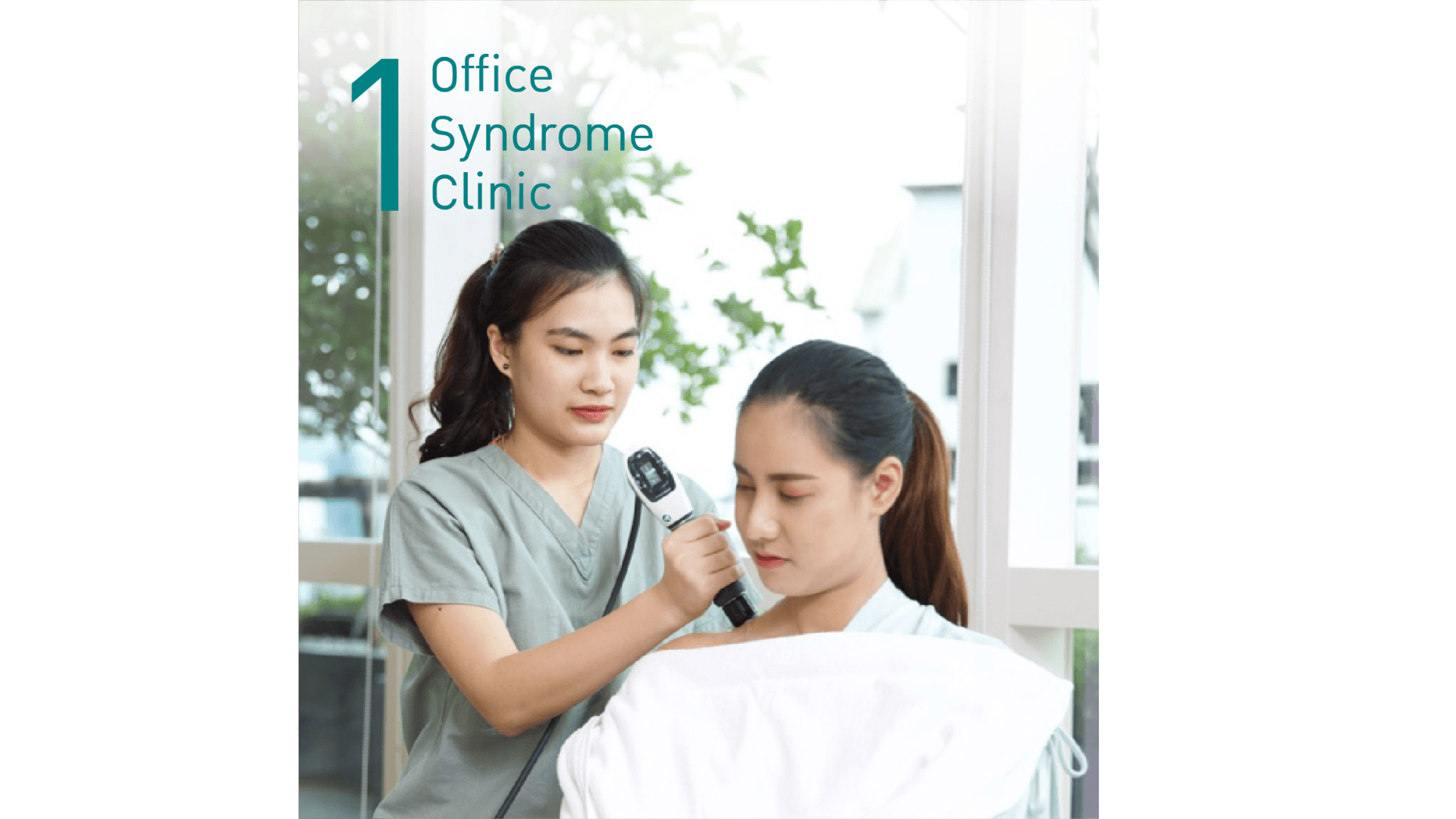
The Office Syndrome Clinic provides care for pain associated with office syndrome, focusing on addressing underlying causes and modifying lifestyle and movement behaviors. Care is provided through The Transformer Program, a Life Promotion Program that emphasizes non-pharmacological treatment and is suitable for individuals with chronic or more severe pain.
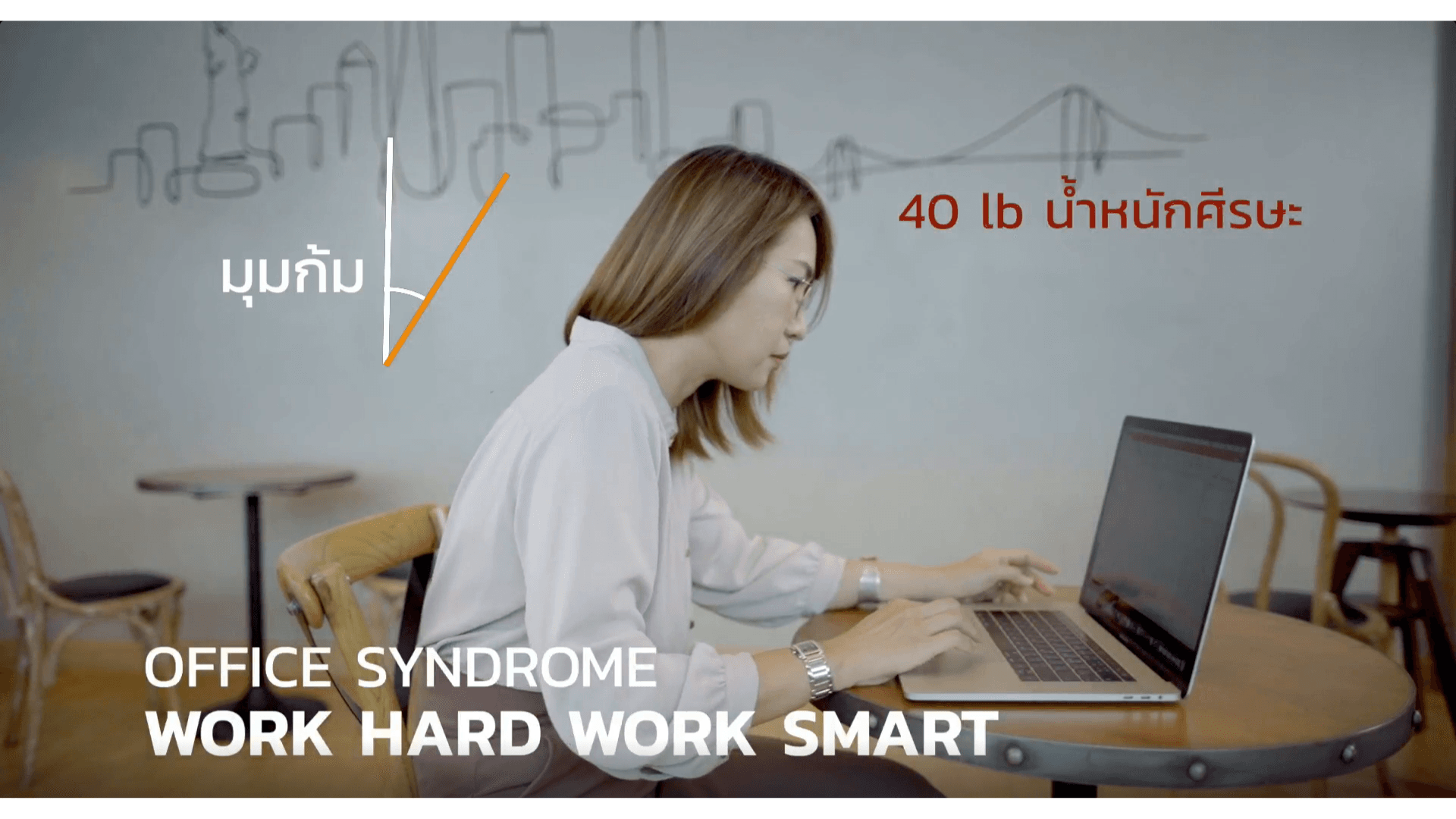
Treatment consists of three components delivered concurrently to help streamline the treatment process and enhance its effectiveness:
- Physical Assessment: Assessment of physical fitness, strength, posture, and structural balance to develop an individualized treatment plan.
- Pain Management – The FIX: Pain relief and correction of physical problems using physical therapy modalities, Thai massage, and acupuncture, as appropriate.
- Rehabilitation & Strengthening – The FIT: Exercise and movement training in the hydrotherapy pool, gym, or yoga room to improve physical balance, strength, and movement, while helping reduce the risk of recurring pain.
Depending on individual needs, physicians may recommend additional supportive care, such as nutrition, vitamins, and Whole Body Cryotherapy (Ice Lab). These approaches may help support overall well-being and, in some patients, help relieve chronic pain and stress or improve sleep.
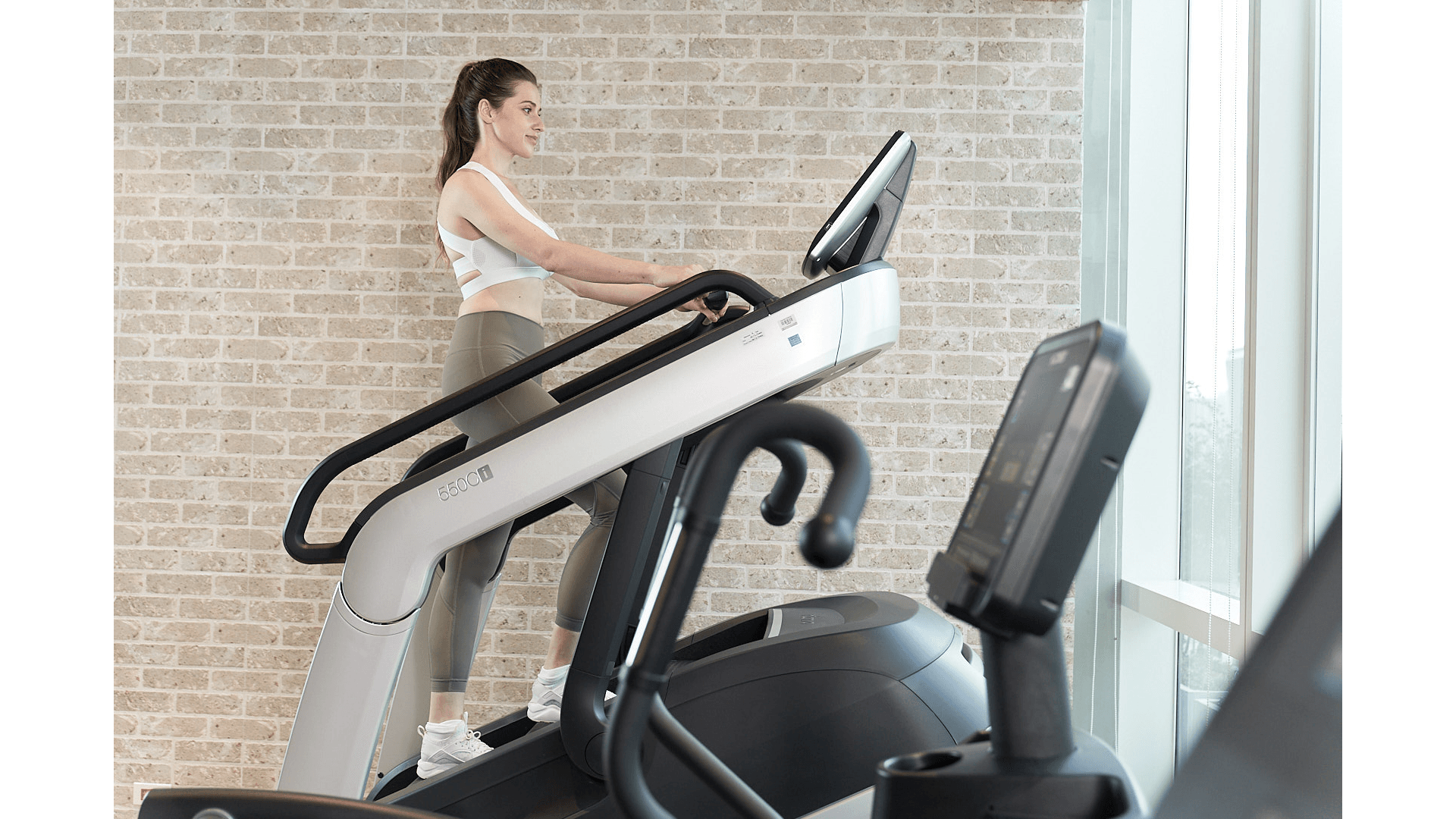
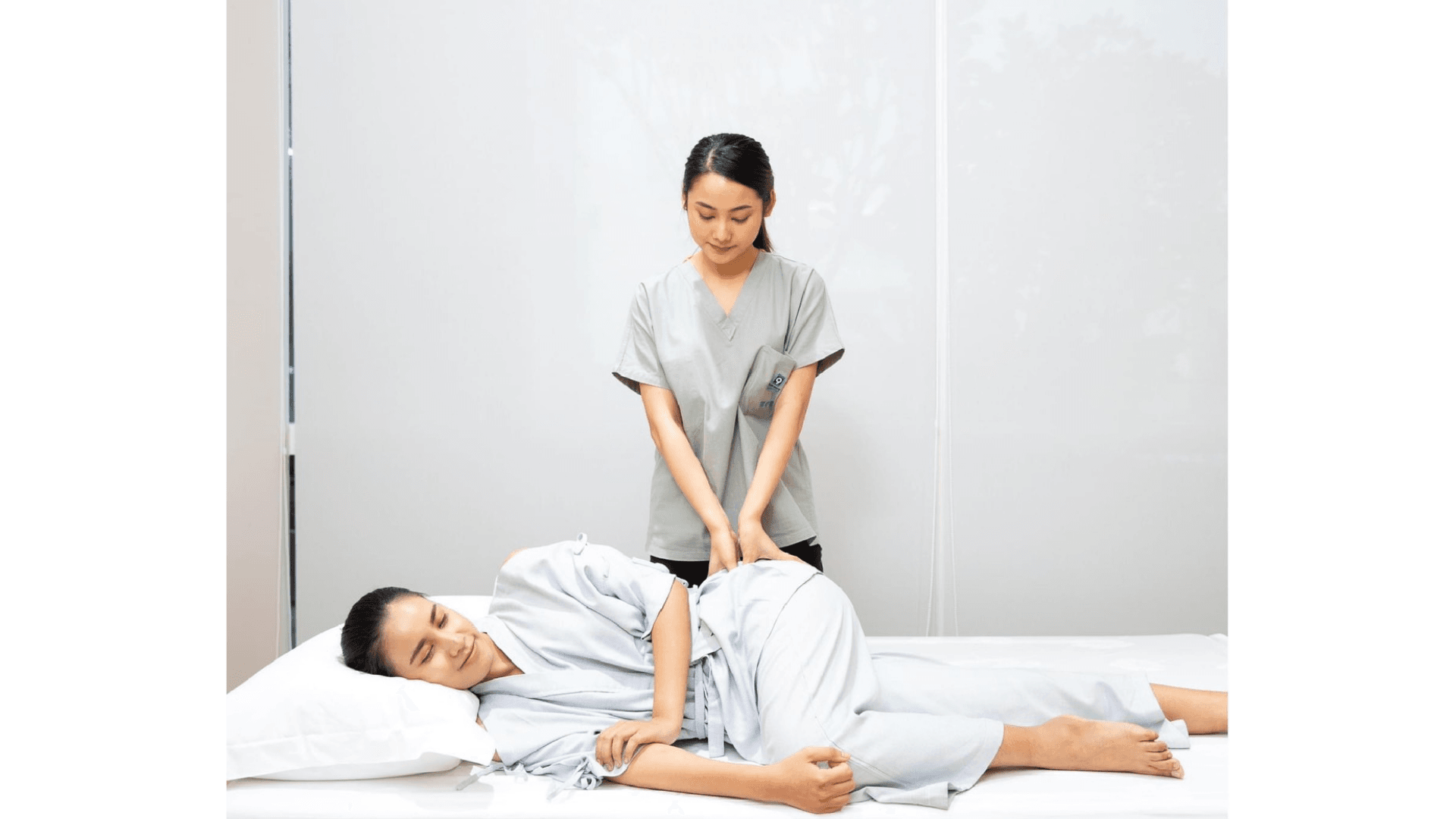
2. Sports Injury & Rehabilitation Clinic
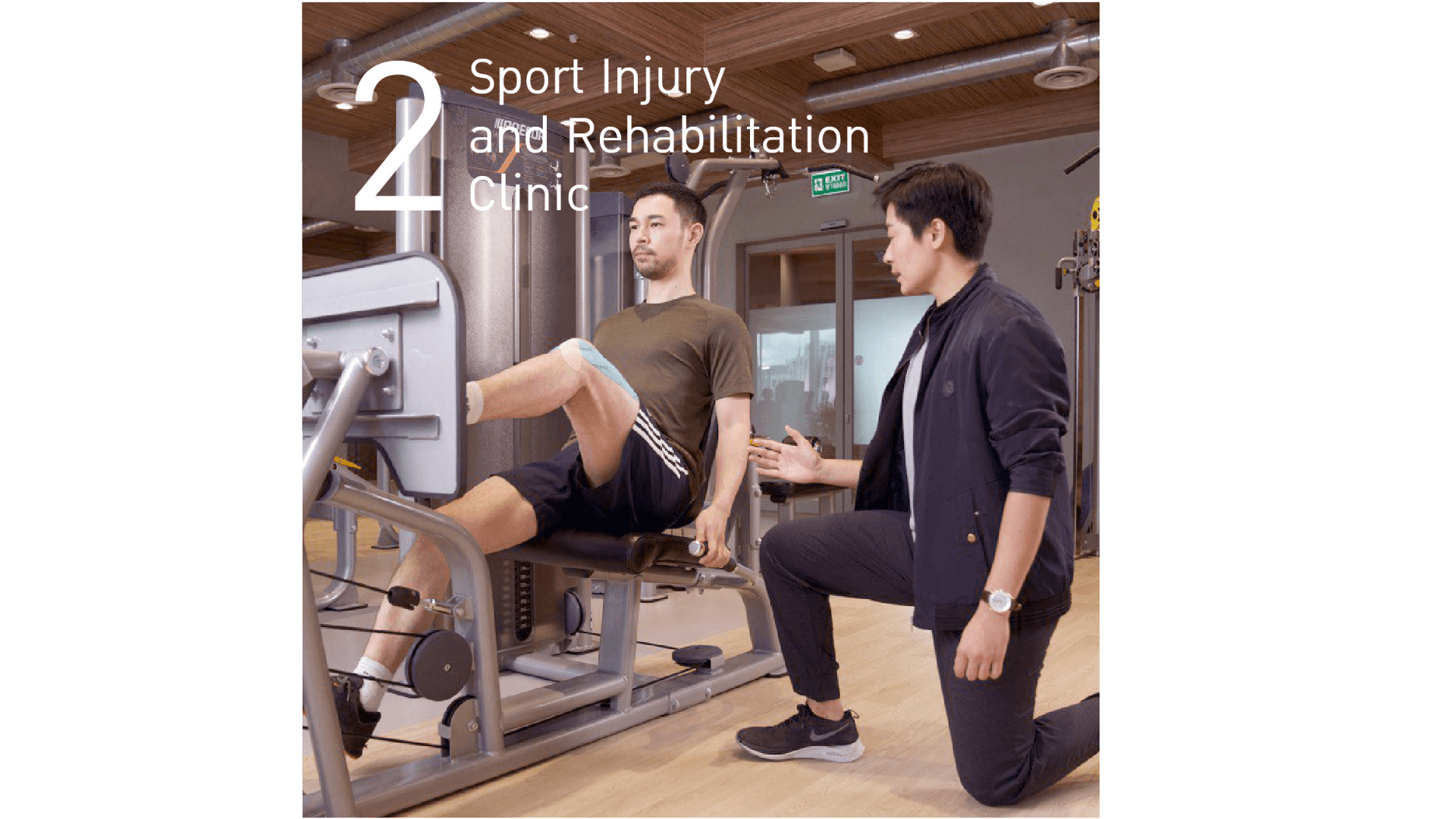
The Sports Injury & Rehabilitation Clinic provides care for injuries related to exercise and sports through a team of sports medicine specialists. Services cover both acute and chronic injuries, with individualized treatment and rehabilitation plans designed to support recovery and help patients safely and confidently return to exercise or sports.
1. Acute Injuries
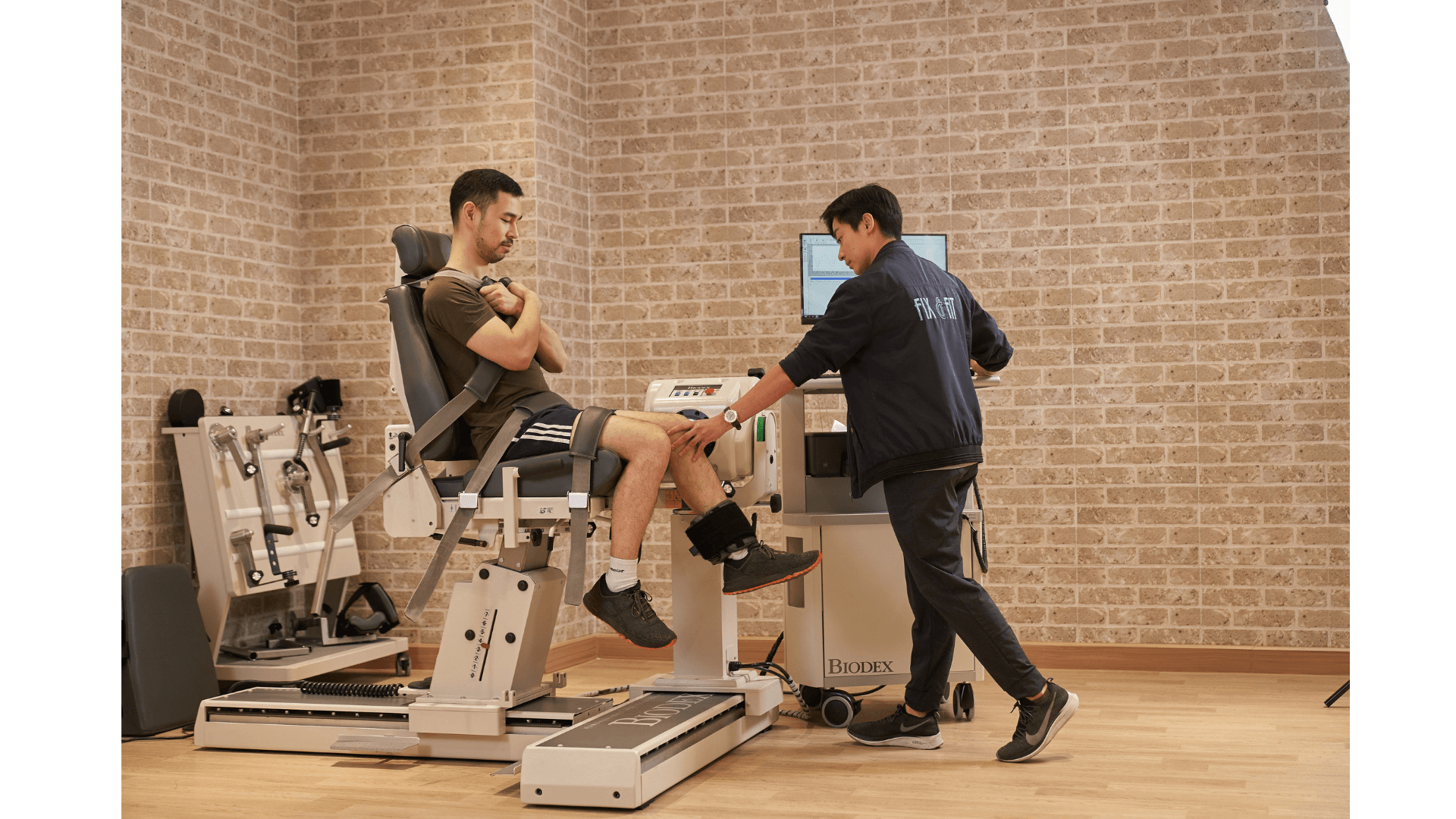
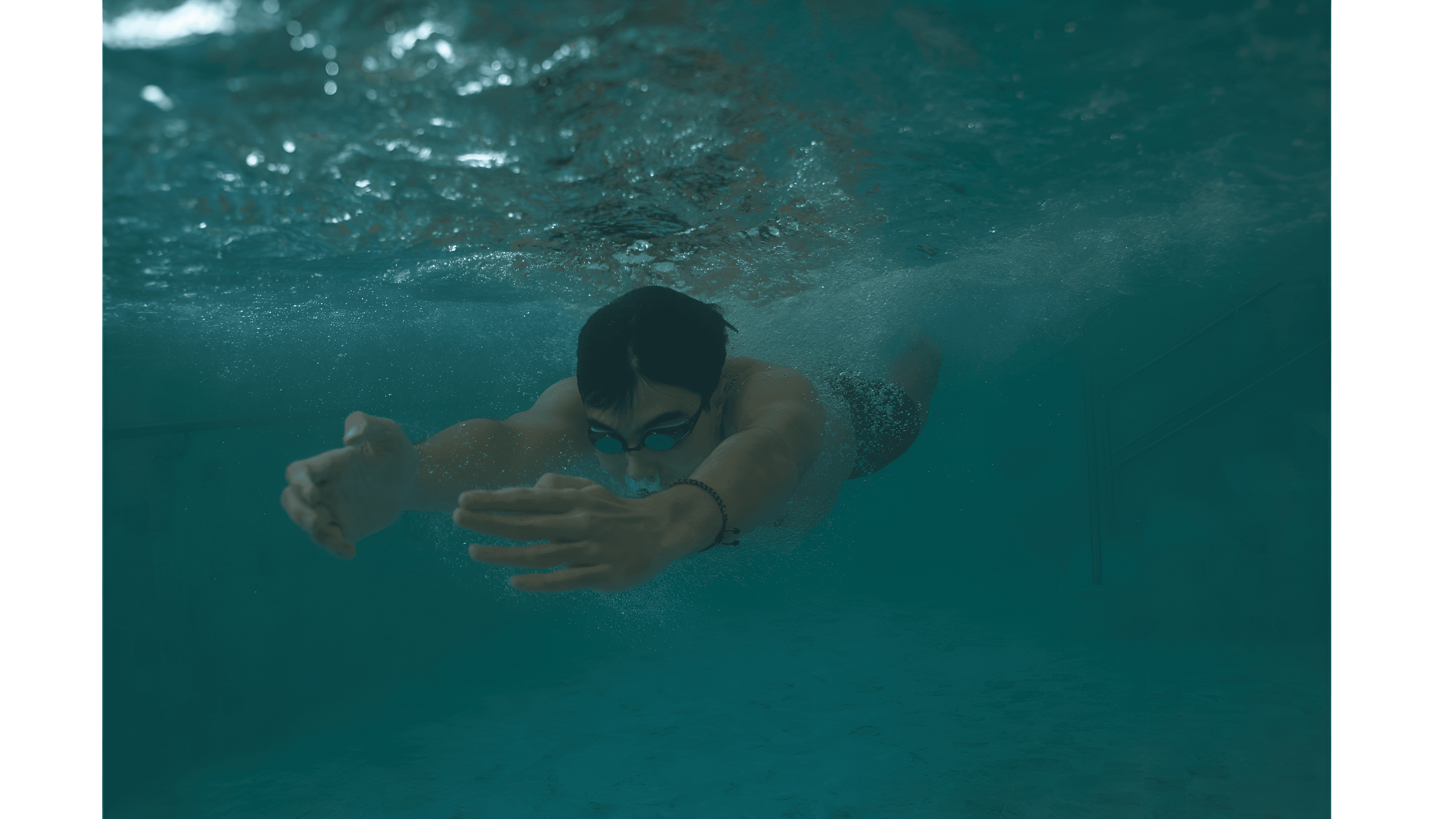
The Back to the Match Program focuses on reducing symptoms and supporting the healing of injured tissues. The program is supported by comprehensive training facilities, including a gym, hydrotherapy facilities, and Isokinetic equipment for assessing the function and performance of injured body parts and evaluating readiness for Return to Play.
2. Chronic Injuries
The Staying Champion Program provides care for injuries caused by repetitive use or intense physical activity. Such conditions are commonly seen in high-level athletes and individuals who engage in intensive exercise. The program includes:
- Physical fitness and nutritional assessment
- Technique modification and structural balance adjustment
- Development of strength, endurance, and flexibility of both the body and mind according to each individual and type of sport
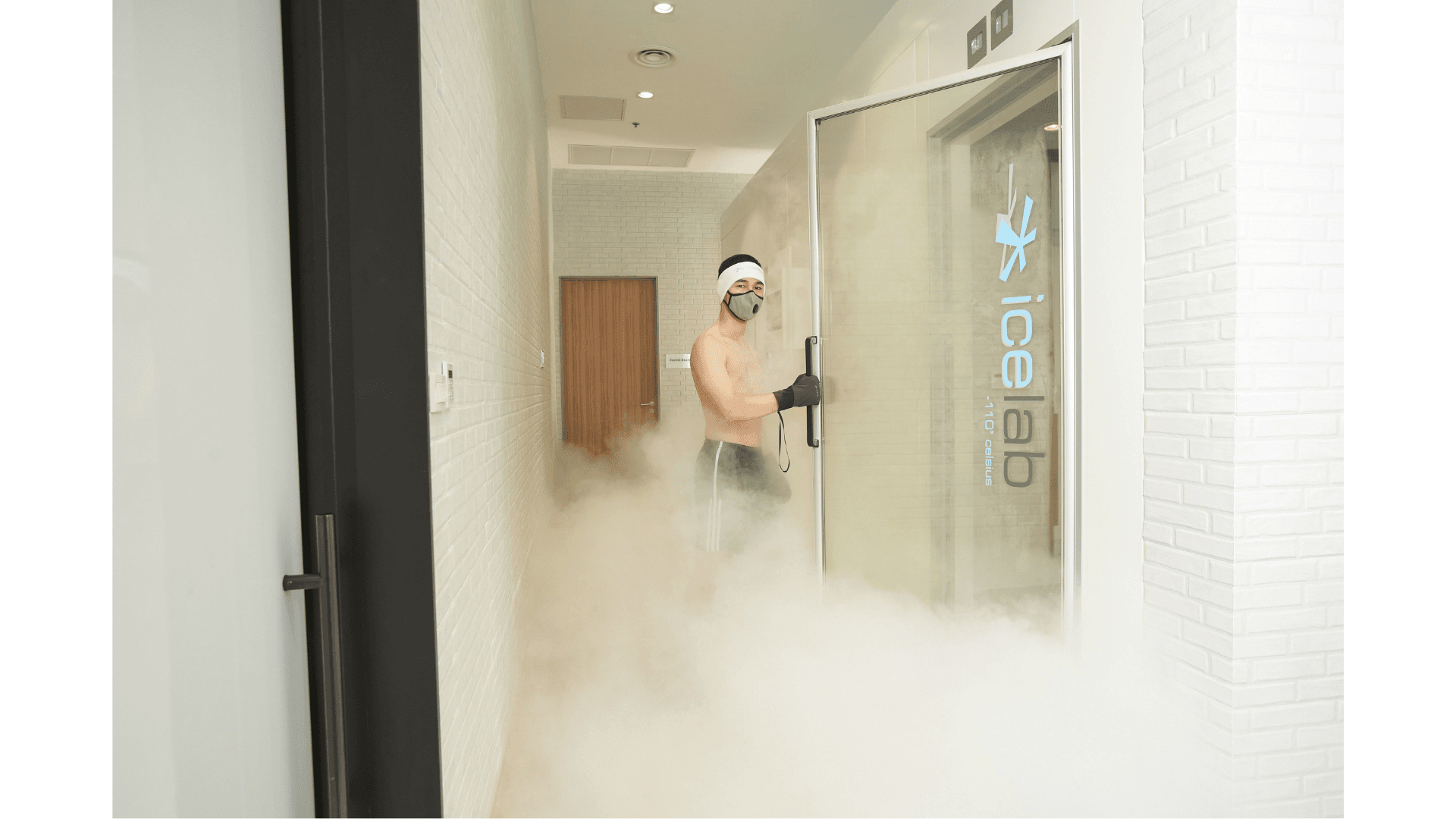
The clinic also offers Ice Lab / Sub-Zero Treatment / Whole Body Cryotherapy, which involves exposure to an extremely cold environment of approximately -110°C. This treatment is used by a number of elite athletes in the United States and Europe and may be used to help reduce pain and fatigue, support recovery, and support physical performance following competition.
3. Joint & Degenerative Spine Pain Clinic
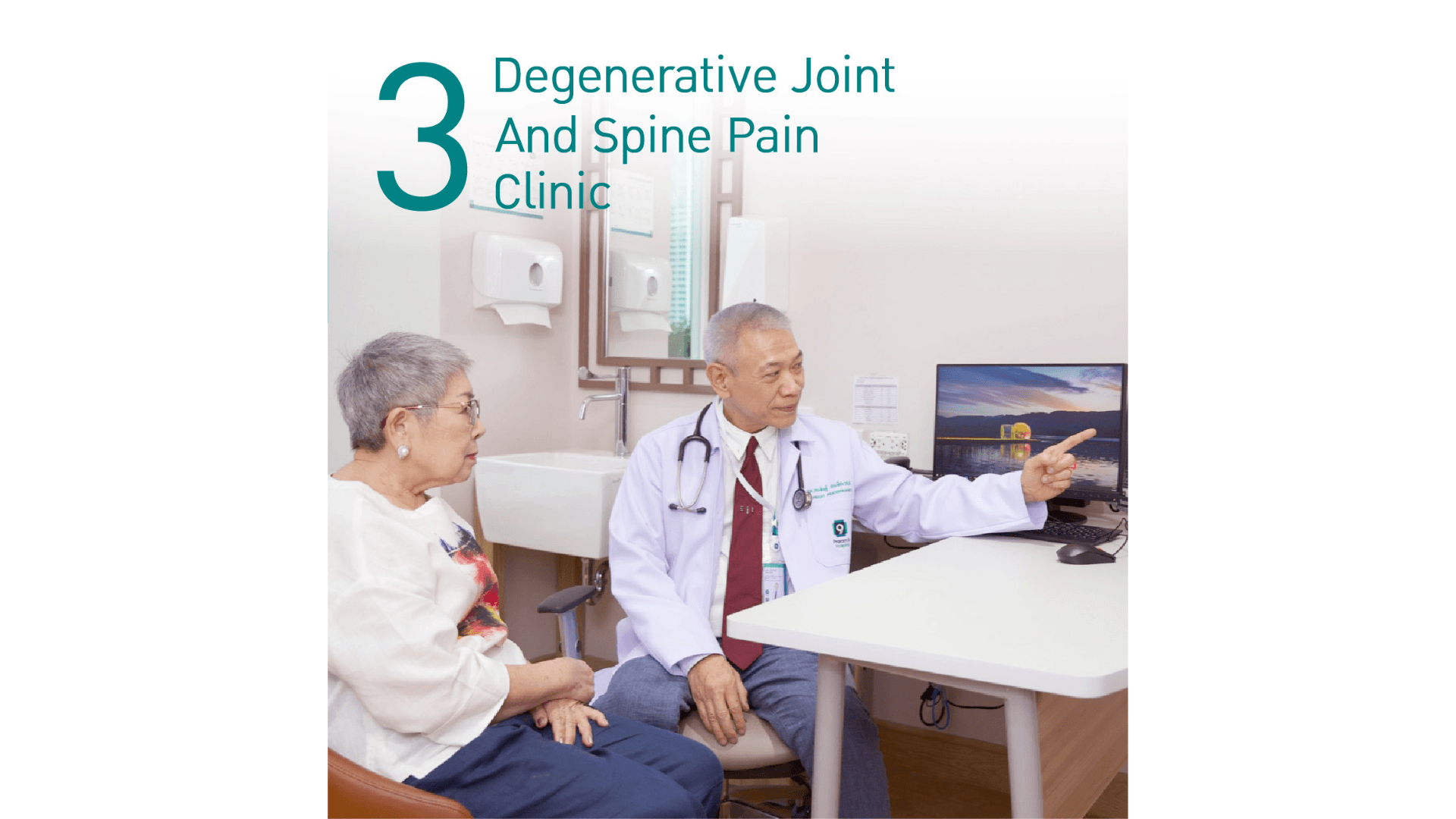
The Joint & Degenerative Spine Pain Clinic provides comprehensive care for joint pain, stiffness, and limited joint mobility through the Move-Free and Healthy Life Program.
The program focuses on reducing pain, restoring movement, and supporting quality of life, particularly among older adults. Treatment is tailored to each individual and may include approaches such as massage and hot compresses, acupuncture, High-Intensity Laser Therapy, and Shockwave Therapy.
In some cases, joint injections or structural alignment techniques may be considered as part of The FIX, together with exercise to help reduce the recurrence of symptoms and improve strength, endurance, and range of motion.
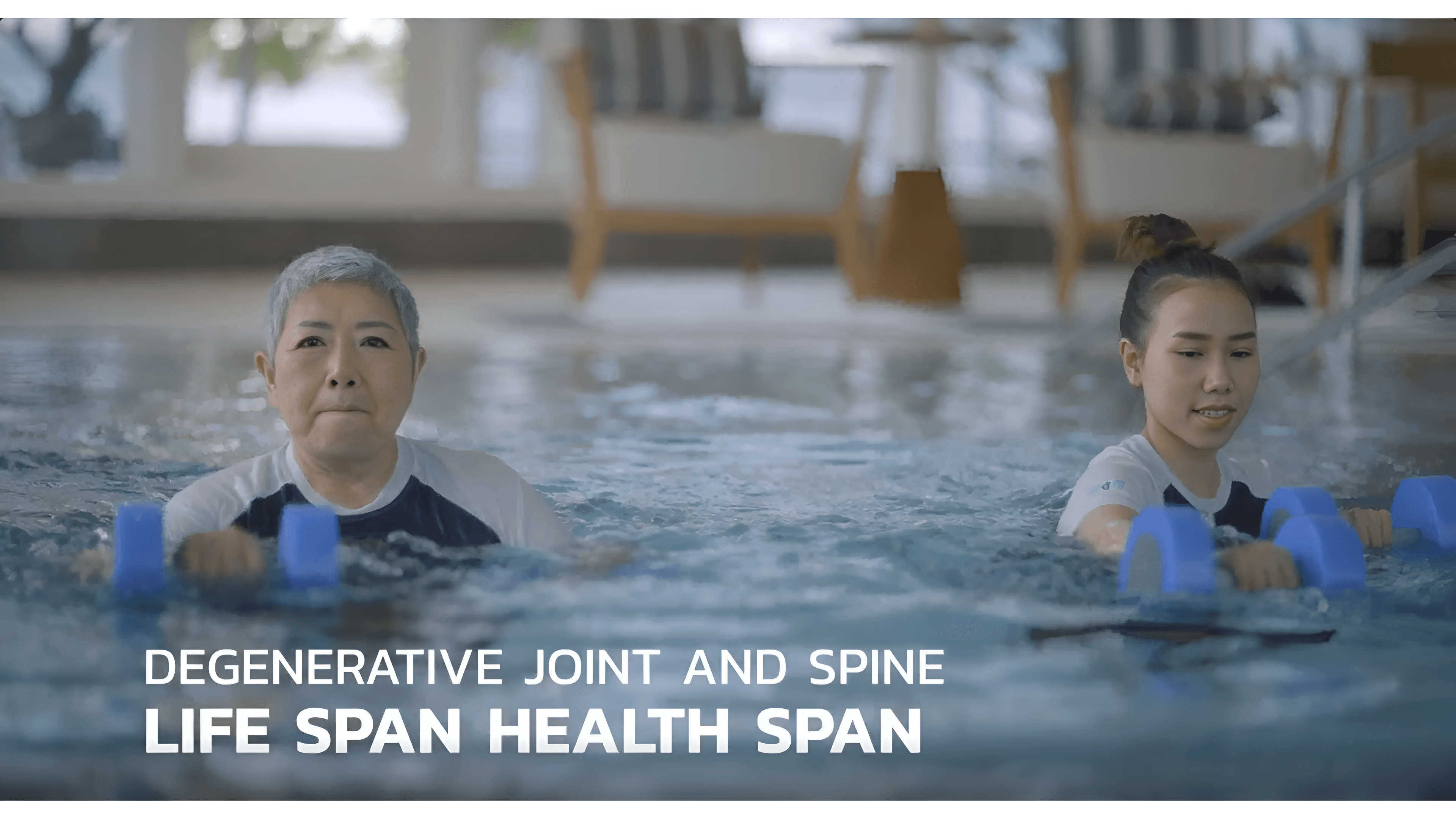
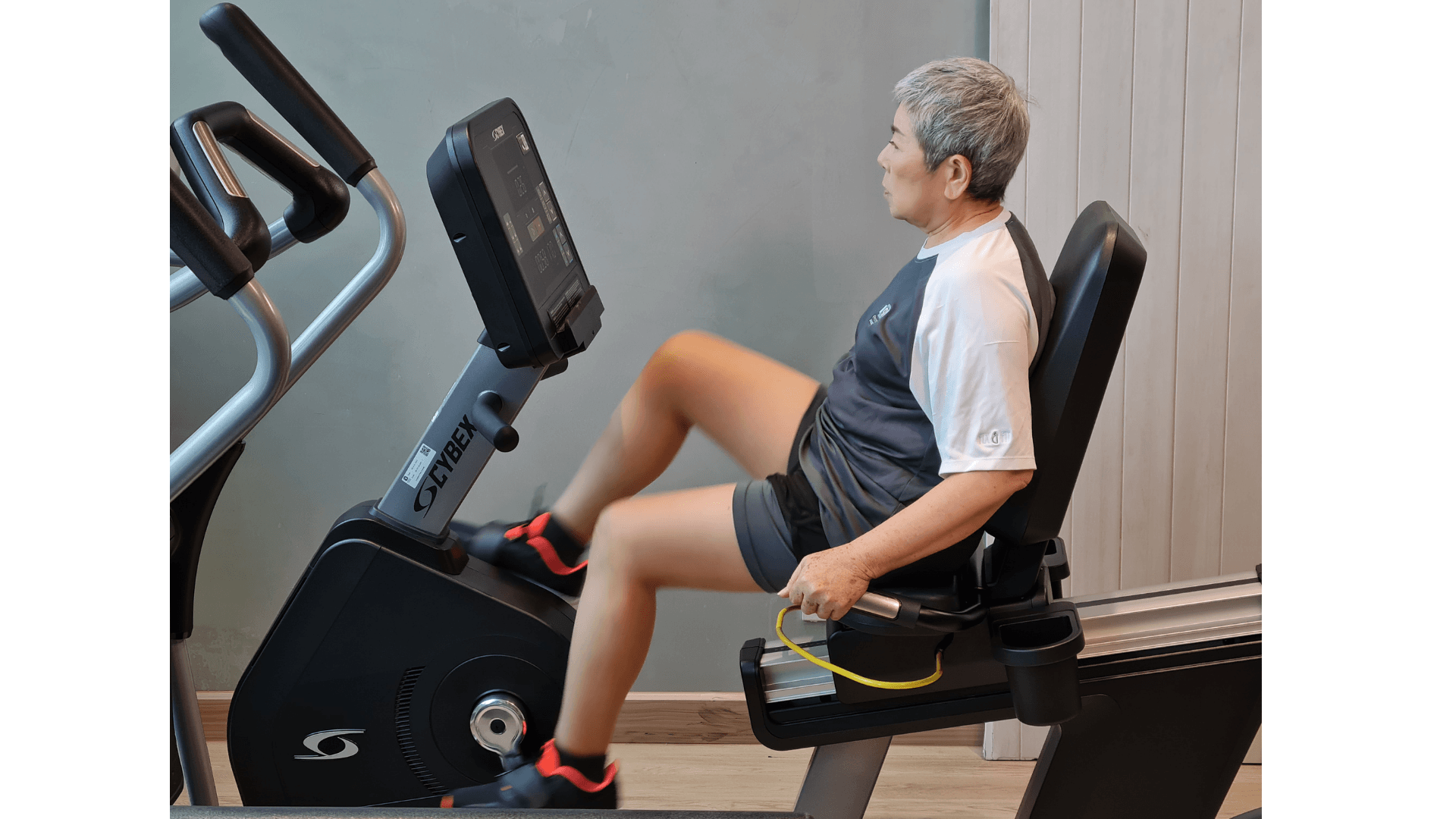
Overall physical conditioning is addressed through The FIT, including exercise in the hydrotherapy pool, which may be suitable for individuals with weight-bearing joint pain, as well as gym-based training using appropriate equipment. Sports medicine specialists provide close guidance throughout the program.
4. Body Alignment Clinic
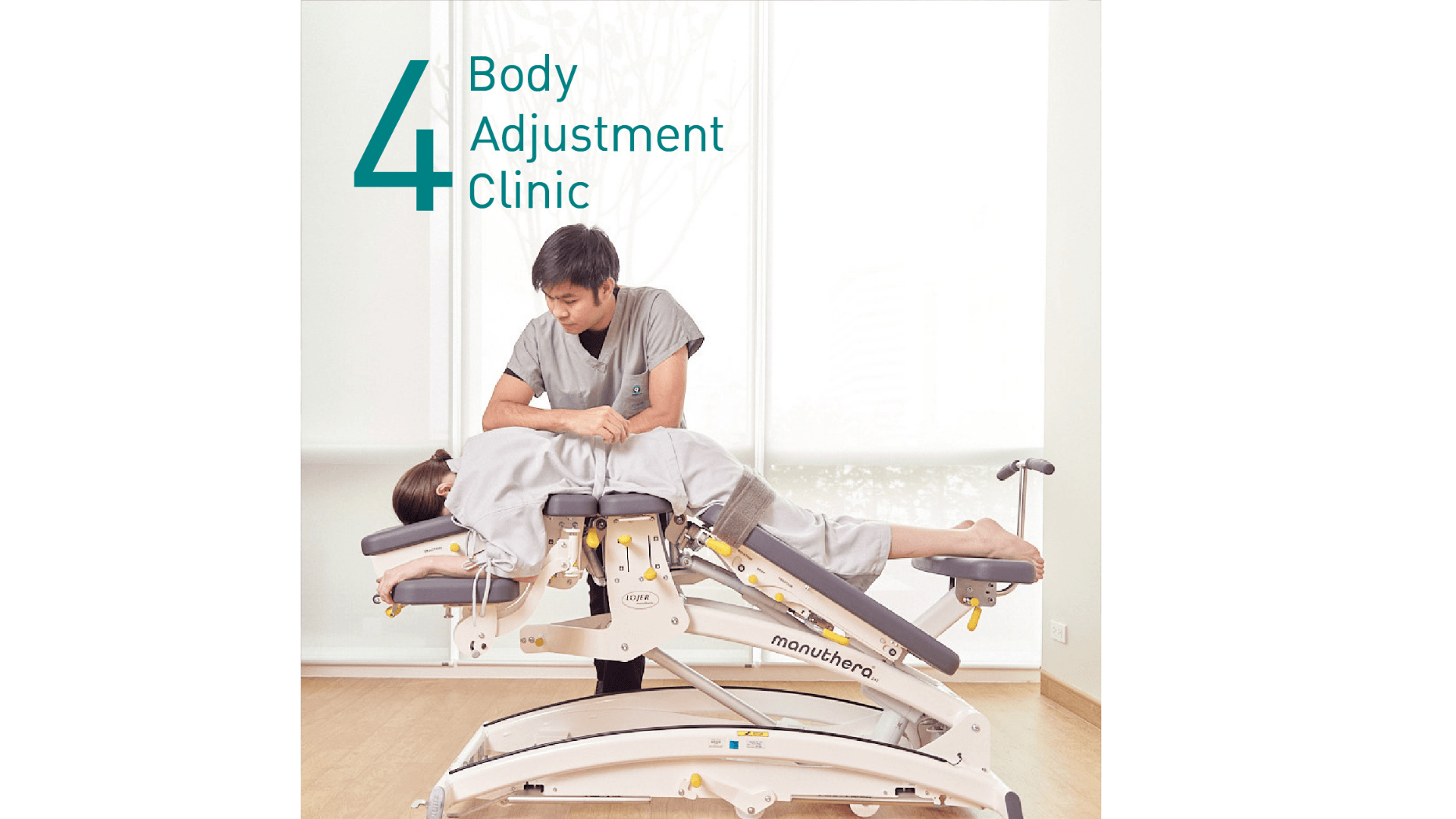
The Body Alignment Clinic provides care for posture and structural problems that may result from work habits, daily activities, or age-related physical changes. These issues may affect appearance, movement, and physical comfort and may contribute to pain.
A team of specialists provides Postural Analysis and develops comprehensive individualized care plans to address and provide guidance on posture and structural alignment.
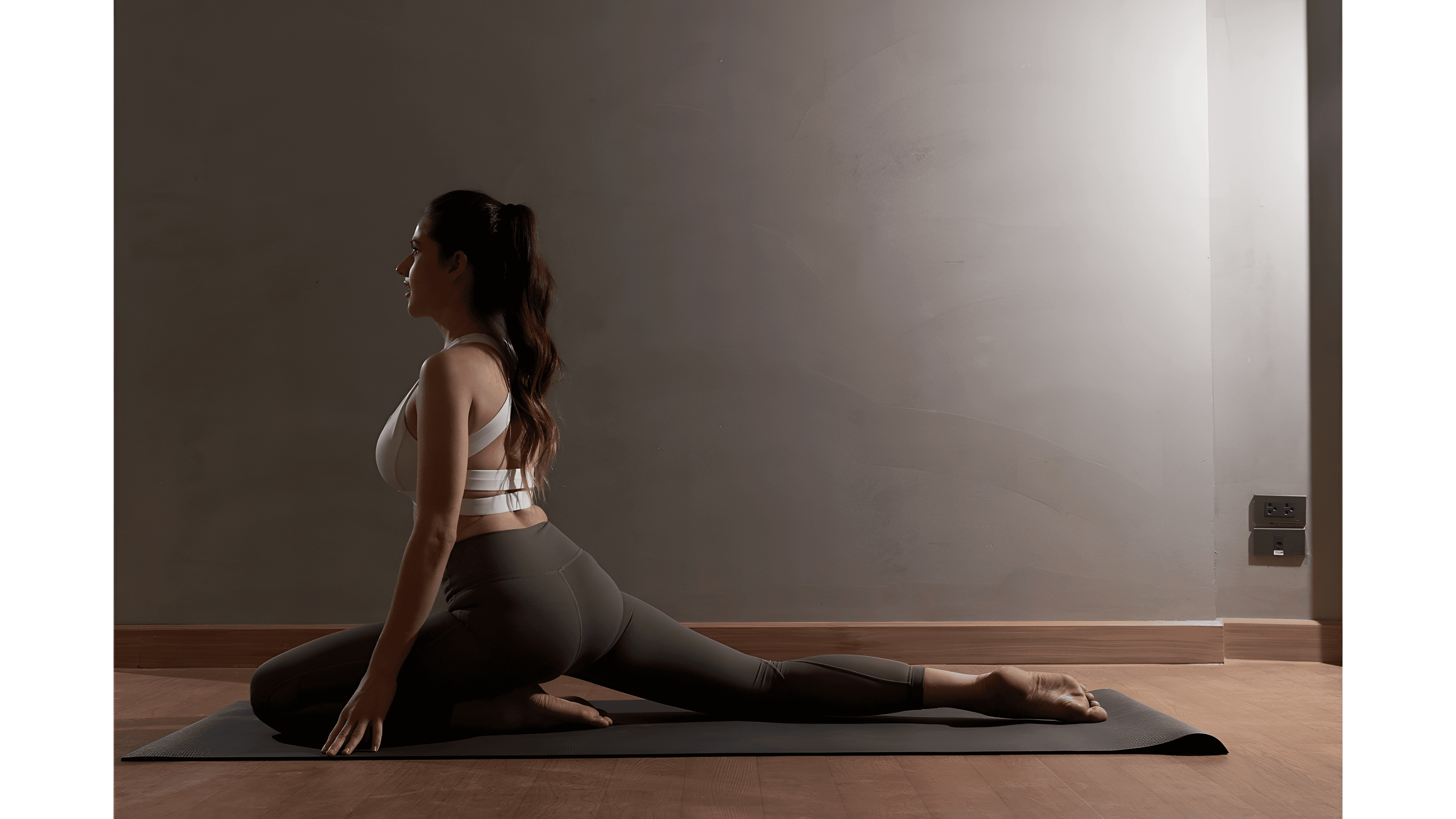
Three Main Categories of Postural and Structural Problems
1. Poor Posture
Poor posture may result from inappropriate patterns of body use while the underlying physical structure remains normal. If left unaddressed, muscle imbalance may develop and may contribute to subsequent structural changes.
2. Structural Deviation Examples include:
2.1 Flexible Flat Foot
2.2 Leg Length Discrepancy: This may occur with or without an identifiable underlying cause.
2.3 Spinal Curvature of 10 Degrees or Less
3. Structural Abnormality
A common example is Scoliosis with a curvature of more than 10 degrees, as well as Kyphosis. For thoracic kyphosis, the kyphotic angle must be greater than 45 degrees.
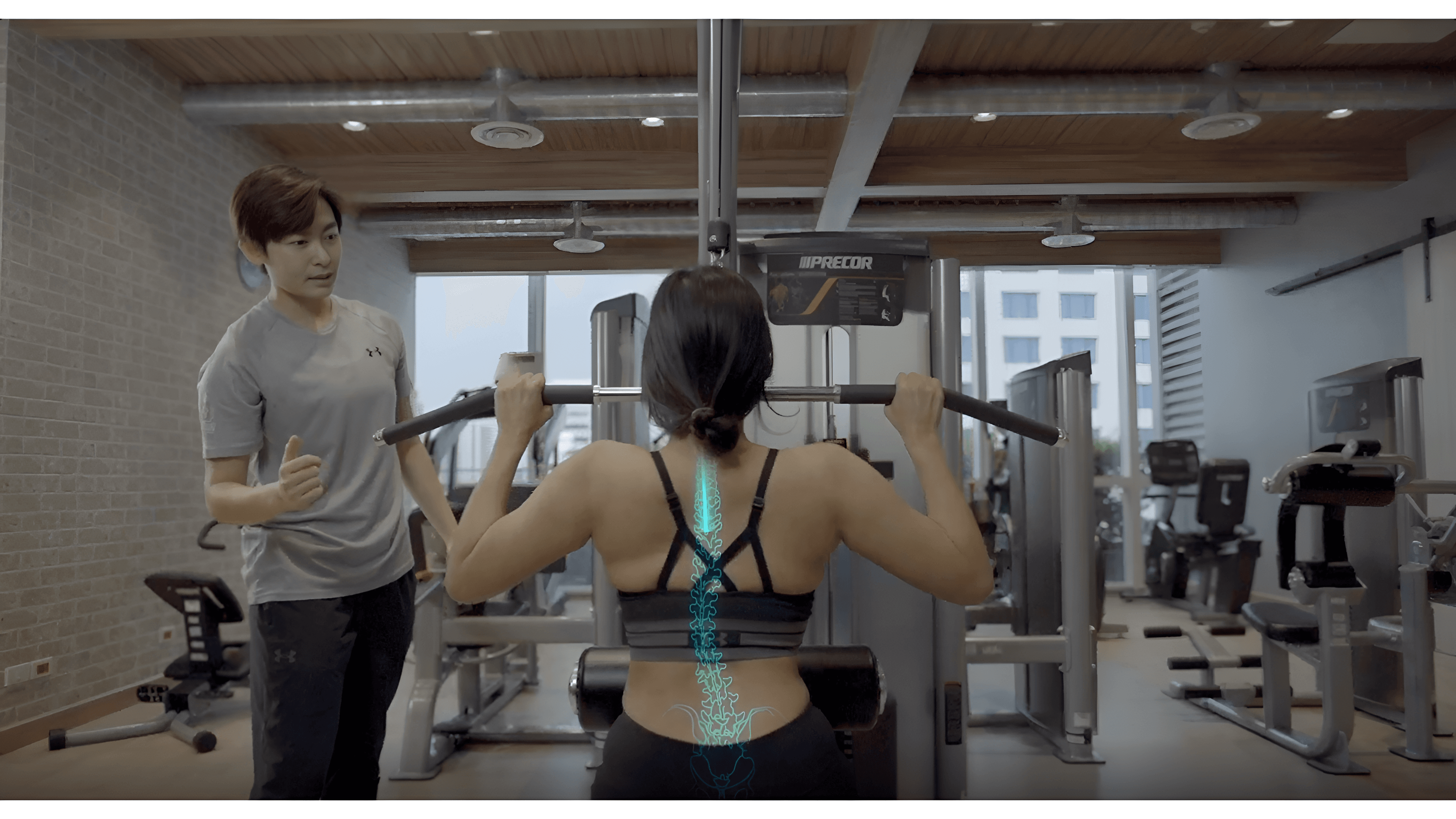
The Body Alignment Clinic follows the principle of “Better Look, Better Health.” Treatment focuses on managing pain using physical therapy modalities, addressing underlying causes through structural alignment, and helping prevent progression through individualized exercise prescribed by sports medicine specialists.
Medical Gym – Sports Medicine Unit at Praram 9 Hospital
Medical Gym is an exercise service supervised by sports medicine specialists in collaboration with a team of medical specialists. It connects the continuum of care from treatment and rehabilitation to the development of movement, strength, and physical fitness.
Programs are individually designed based on each person's symptoms, health condition, physical limitations, fitness assessment results, and personal goals. The aim is to support individuals in returning to their activities and daily lives with confidence.
Why Medical Gym?
People experiencing pain, recovering from treatment, or preparing to return to exercise may have different physical limitations and goals. Medical Gym therefore emphasizes pre-exercise assessment, individualized exercise program design, supervision during training, and ongoing monitoring.
Programs can be adjusted and progressed according to each individual's capabilities and development.
From treatment and rehabilitation to movement, strength, and confident return to everyday life.
Who Is Medical Gym For?
Medical Gym provides continuity of care for individuals from the four main clinics of the Fix & Fit Institute, as well as people who wish to improve their physical fitness. Exercise programs are designed according to each individual's physical condition, limitations, and goals.
1. Office Syndrome: For individuals experiencing neck, shoulder, or back pain, or problems related to posture and daily lifestyle habits.
Training focuses on developing strength, endurance, postural control, and appropriate movement patterns.
2. Joint Pain & Degenerative Spine Conditions: For individuals experiencing pain, joint stiffness, or movement limitations related to joint or spinal conditions or age-related degeneration.
Programs can be adjusted according to physical condition, with an emphasis on developing strength, flexibility, balance, and the ability to perform daily activities.
3. Structural and Postural Conditions: For individuals experiencing problems with posture, balance, or movement patterns that may affect everyday activities.
Assessment results, including posture, movement, range of motion, and strength, are used to design an individualized exercise program.
4. Sports & Exercise-Related Injuries: For individuals who have sustained sports injuries or are continuing their recovery after treatment and rehabilitation.
Training focuses on developing strength, muscle balance, movement control, and physical fitness to prepare individuals to safely return to exercise or sports.
5. Other Hospital Patients: For hospital patients who are assessed as suitable for beginning or increasing physical activity.
Programs focus on developing muscle strength, supporting cardiovascular function, improving joint mobility, and enhancing functional capacity to support recovery and a more effective return to daily activities.
Physical Fitness & Functional Assessment
Before beginning an exercise program, sports medicine specialists assess each individual's physical condition, limitations, and goals. The assessment results are used to design an appropriate exercise program and monitor progress over time.
Available Assessments
- Body Composition Analysis: Assessment of body composition, such as muscle mass, fat mass, and body fat percentage, to establish baseline information for exercise planning and progress monitoring.
- Posture Analysis: Assessment of body alignment and balance to identify postural characteristics that may require attention or improvement.
- Functional Movement Screening: Assessment of movement quality, mobility, stability, and body control to identify limitations that may affect daily activities and exercise.
- Sit & Reach Test: Assessment of flexibility to provide information for planning mobility and flexibility training.
- Physical Fitness Test: Assessment of different components of physical fitness to determine appropriate exercise intensity and develop an individualized training plan.
- Dynamo ROM & Strength Test: Assessment of Range of Motion (ROM) and muscle strength. Results can be used to compare the left and right sides of the body and monitor changes following training.
- Isokinetic Test: Assessment of the ability of muscles to generate force at a controlled speed. The test can be used to analyze differences between the left and right sides and assess balance between relevant muscle groups. Results may support rehabilitation monitoring and evaluation of readiness to return to activities or sports.
- Vertical Jump Test: Assessment of the ability of the lower-body muscles to generate force and power rapidly. This assessment is particularly useful for monitoring and developing physical fitness in individuals who exercise and athletes.
The assessments selected for each individual depend on their symptoms, physical condition, and goals. Not every individual needs to undergo every assessment.
Medical Gym Facilities
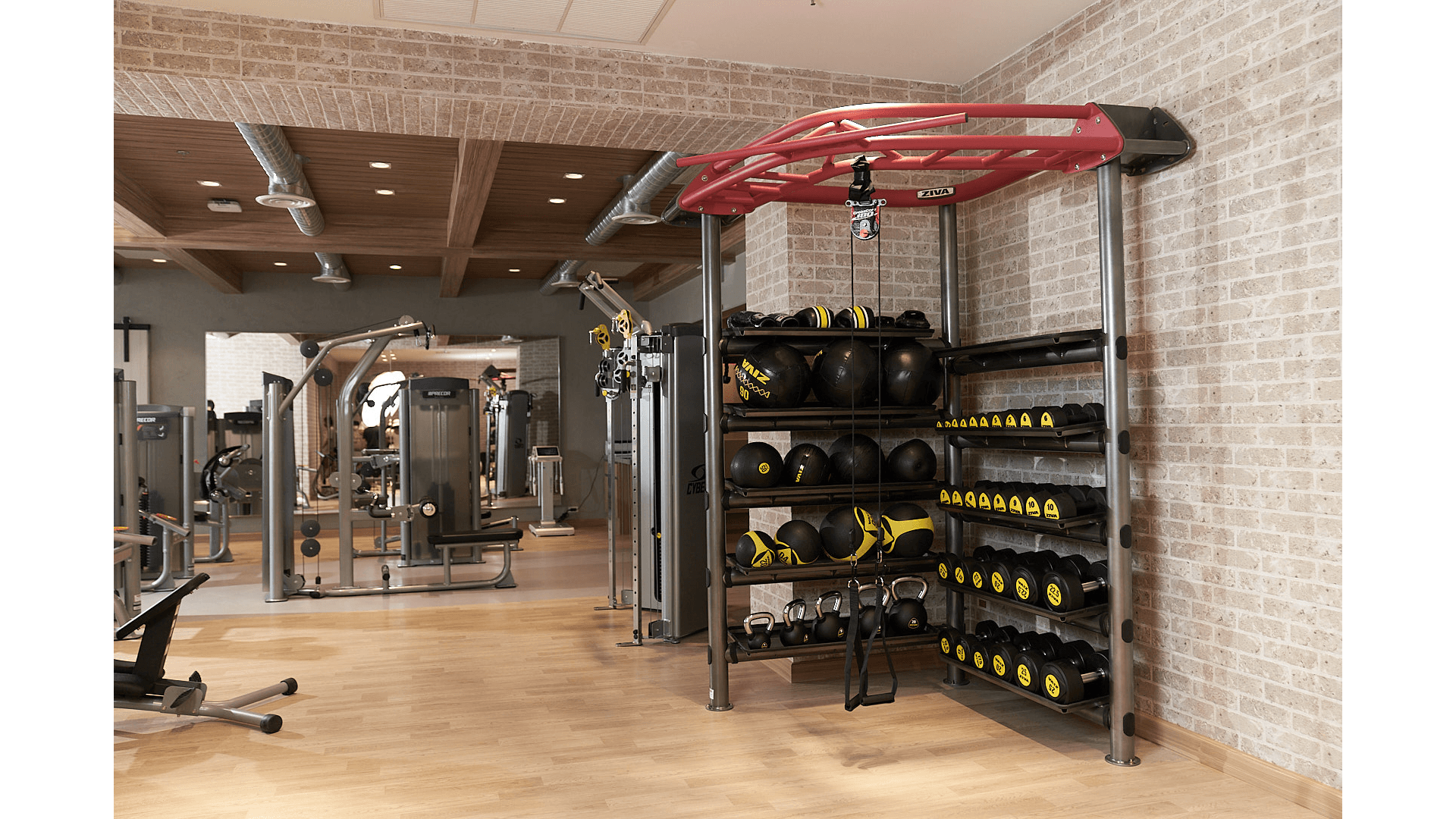
Medical Gym provides a range of spaces and equipment to support different forms of exercise. Sports medicine specialists can select and adjust training methods according to each individual's symptoms, abilities, and goals.
1. Weight Machines
Resistance levels can be adjusted according to individual capabilities, allowing strength and muscular endurance to be developed progressively.
2. Free Weights
Equipment such as dumbbells and other resistance-training tools can be used to develop strength, body control, and movement patterns relevant to everyday activities and sports.
3. Reformer Exercise
The Reformer allows resistance and movement patterns to be adjusted for each individual. It can be used to develop strength, movement control, flexibility, balance, and muscular coordination.
Reformer exercise may be incorporated into a Medical Exercise program according to the individual's symptoms, limitations, and goals.
4. Functional Exercise Area
The facility supports training in: Functional Movement, Mobility, Balance, Coordination, Movement patterns related to everyday activities and sports
Medical Gym Care Process
- ASSESS: Assess symptoms, relevant medical history, movement, strength, and required physical fitness components to identify each individual's needs and limitations.
- PRESCRIBE: Use assessment results to plan and prescribe an individualized exercise program.
- EXERCISE: Exercise under the supervision of sports medicine specialists, with attention to movement patterns, techniques, and the body's response to exercise.
- PROGRESS: Gradually adjust training intensity, volume, and complexity according to individual capability and progress.
- REASSESS: Monitor changes through appropriate assessments and use the results to adjust the exercise program and establish goals for the next stage.
The goal of Medical Gym goes beyond exercise. It is about helping each individual develop their physical capabilities according to their personal needs and goals.
Additional Rehabilitation Services: In addition to Medical Gym, which supports muscle strength, cardiovascular function, and other aspects of physical fitness, additional services are available to support physical rehabilitation.
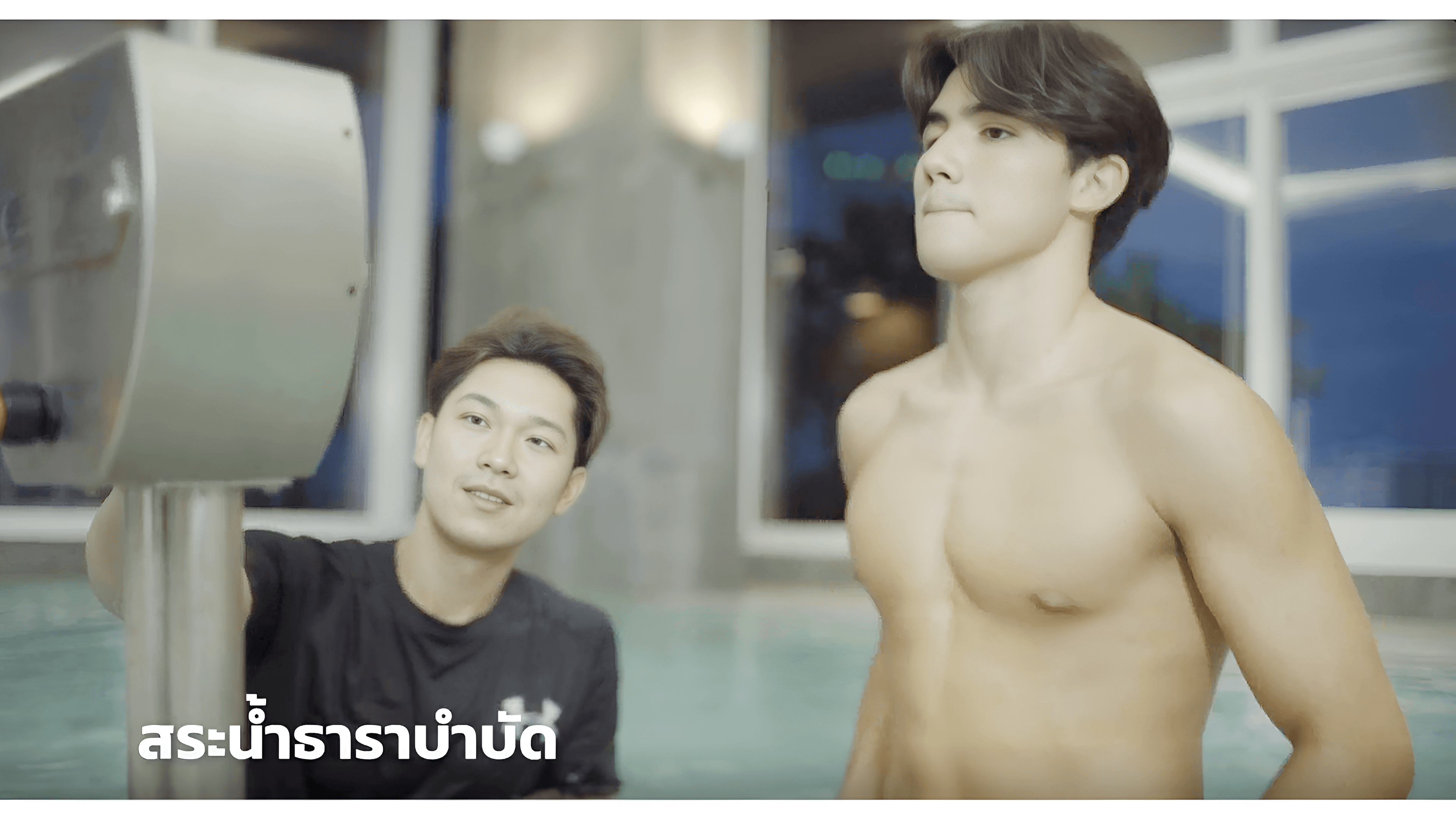
- Hydrotherapy: Exercise in warm water can help improve movement and reduce the load placed on weight-bearing joints. It may be suitable for individuals with more significant symptoms, movement limitations, or those who are not yet ready for land-based exercise.
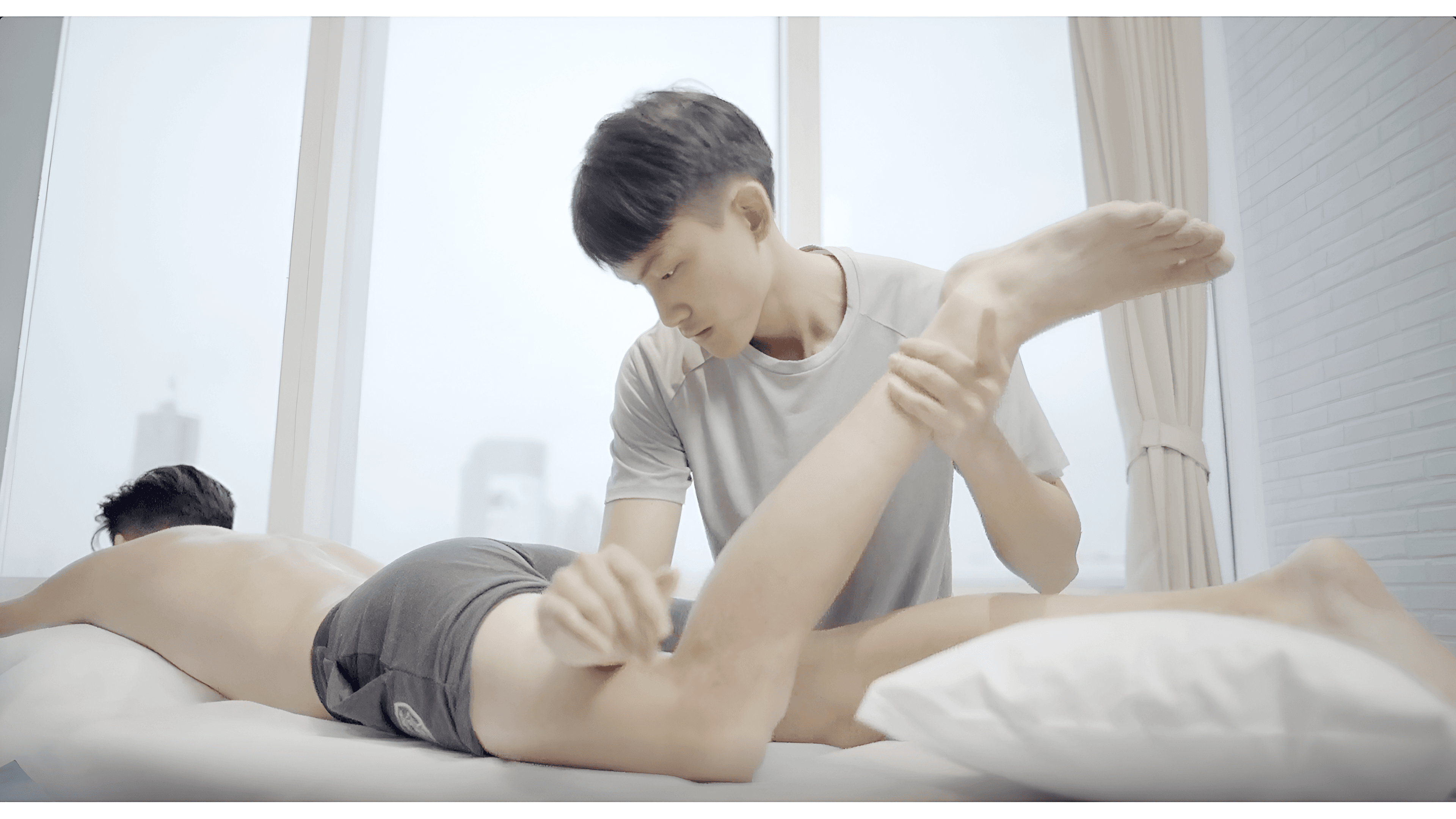
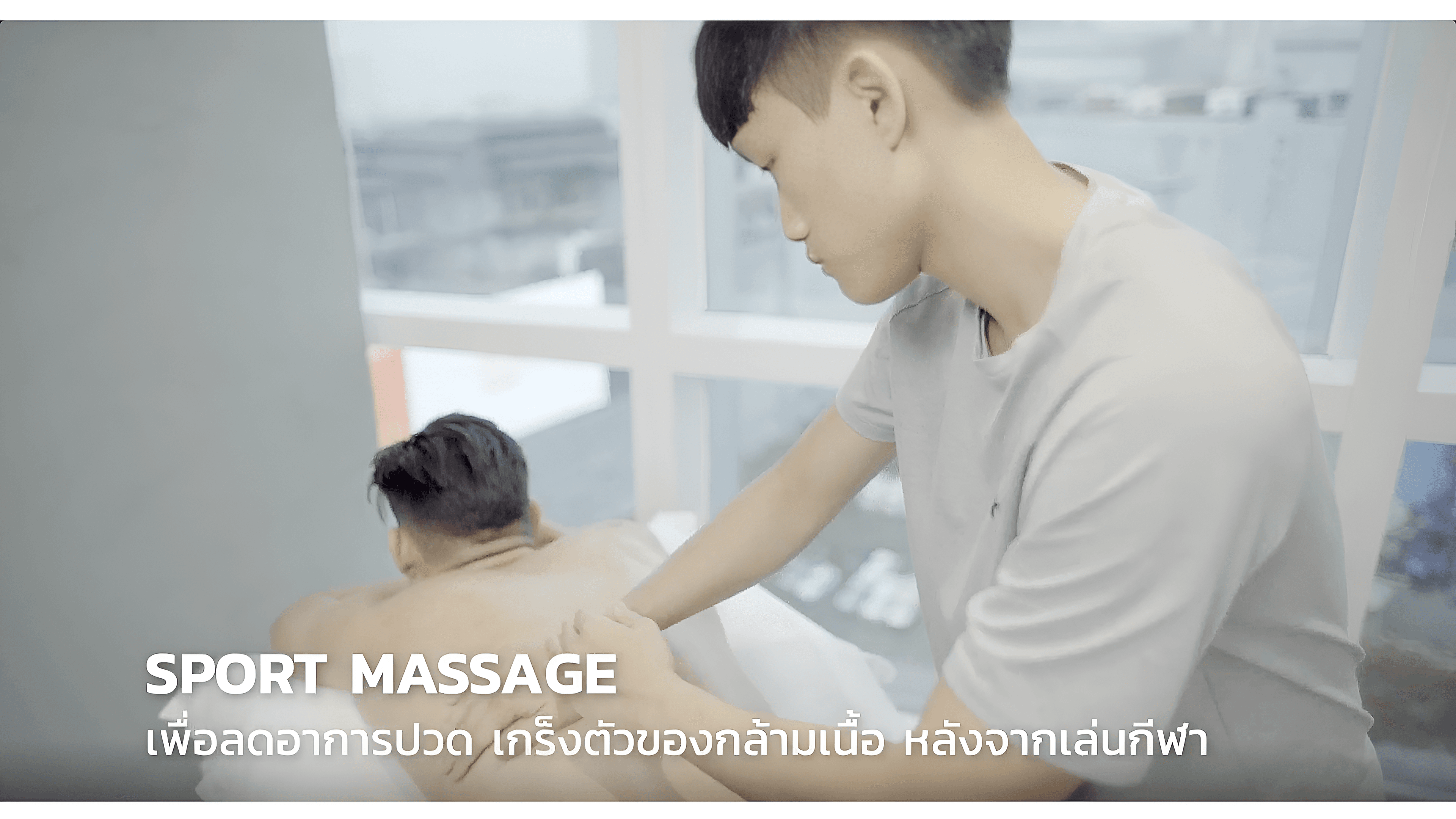
- Sports Massage: Sports massage focuses on improving muscle flexibility and supporting recovery. It may help reduce feelings of muscle tightness or discomfort following exercise and support readiness for subsequent activities or training sessions.
Location:
The Advanced Pain Management and Wellness Institute (Fix & Fit) 11th Floor, Building B, Praram 9 Hospital
Operating Hours:
Open daily 08:00–20:00
Center Physicians
All Doctors in the Center


Related Health Articles
View All



Report to JCI on issues related to patient safety.
If you would like to share your comments or suggestions, please email us at [email protected].
Copyright © 2024 All Rights Reserved | Praram 9 Hospital


