

Health Articles

Knowledge

...

Search Articles

All

Doctor’s Health Insights

(29) Articles

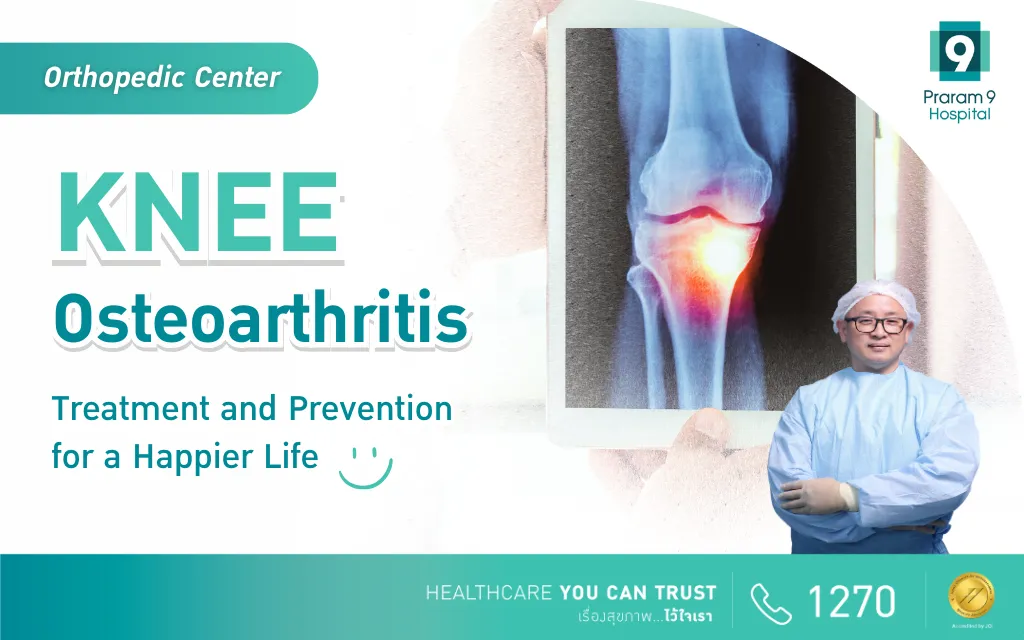
Knee Osteoarthritis: Treatment and Prevention for a Happier Life

Knee Osteoarthritis is a common condition, especially among the elderly. In Thailand, it affects 50% of individuals aged 65 and older, with some cases beginning in middle age and progressing into old age.

Read More

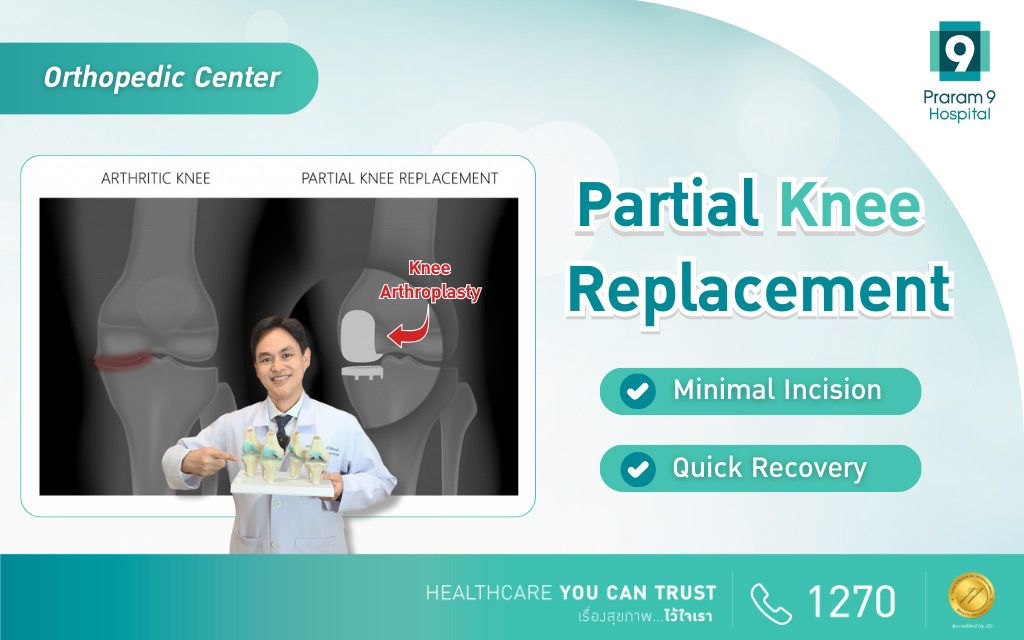
Partial Knee Replacement Surgery: A Treatment Option for Osteoarthritis with Minimal Incision and Quick Recovery

Knee osteoarthritis is a common condition, often seen in older adults, leading to knee pain and difficulty walking. However, it doesn’t solely affect the elderly; working-age individuals and middle-aged adults can also develop knee osteoarthritis.

Read More

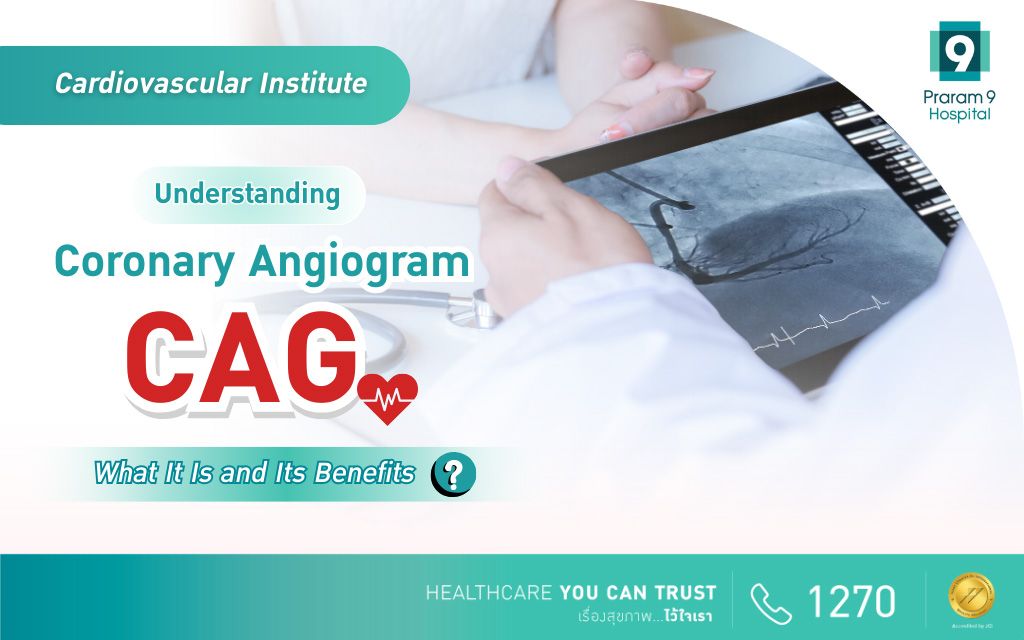
Understanding Coronary Angiogram (CAG) What It Is and Its Benefits

A Coronary Angiogram (CAG) is a crucial diagnostic technique used to evaluate heart health, particularly the blood vessels that supply the heart. It’s commonly recommended for individuals experiencing symptoms or risk factors for heart disease, such as chest pain, shortness of breath, or a family history of heart conditions. This article provides an overview of what a Coronary Angiogram is, how the procedure is performed, its benefits, and who should consider undergoing this test.

Read More

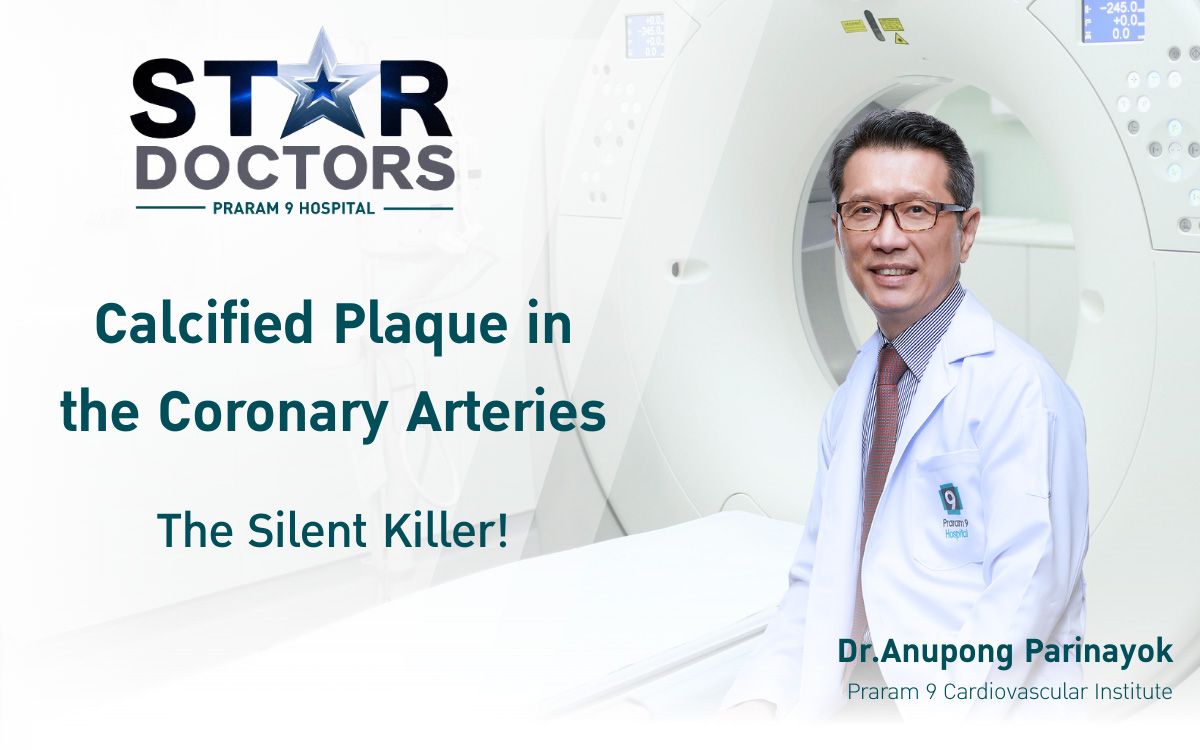
Calcified Plaque in the Coronary Arteries: The Silent Killer!

Understanding the Causes of Blockage Many people believe that coronary artery disease develops only with age. However, coronary artery problems can begin much earlier in life. The risk starts in youth when fatty deposits (fatty streaks) begin to form in the coronary arteries. Over time, these deposits thicken, eventually leading to artery blockages. Dr. Anupong Parinayok, a cardiologist at Praram 9 Heart and Vascular Institute, explains that the problem begins when the inner lining of blood vessels becomes inflamed and dysfunctional, often due to chronic conditions such as diabetes, high blood pressure, and high cholesterol. Lifestyle factors, such as smoking, also play a significant role. These factors make the blood vessel walls more prone to inflammation, allowing oxidized LDL cholesterol to infiltrate and accumulate within them. Over time, this buildup forms plaques and calcium deposits in the coronary arteries. If these plaques rupture, they can trigger the formation of a blood clot, leading to an acute heart attack. At this stage, quick medical intervention is crucial to prevent life-threatening complications. Ideally, however, it is best to prevent reaching this stage.

Read More

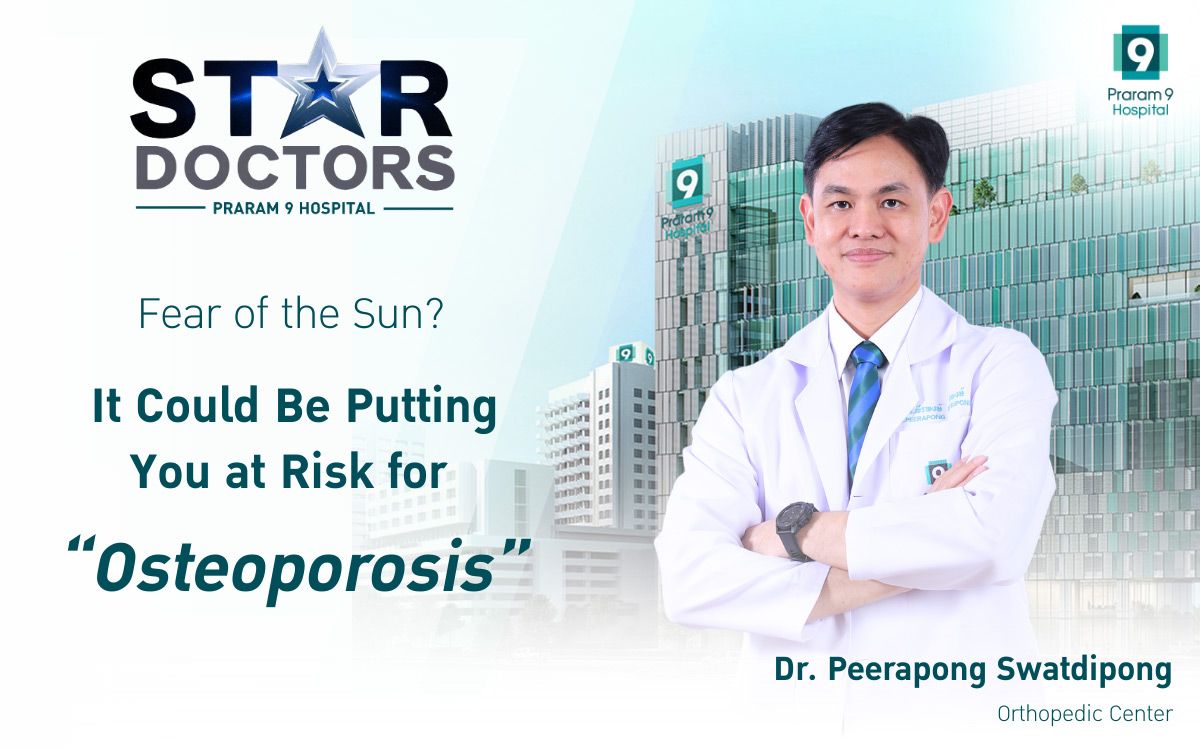
Fear of the Sun? It Could Be Putting You at Risk for “Osteoporosis”

When people thinking of Thailand, many picture the sun, and just imaging it can make you want to grab an umbrella. But did you know that sunlight is more important to Thais than you might think? The gentle sunlight of the early morning and late afternoon not only warms the body but also helps produce vitamin D, which is crucial for strengthening bones, reducing the risk of osteoporosis. Many people view sunlight as harmful, causing skin damage, wrinkles, and hyperpigmentation, leading them to overlook its benefits. Studies show that sunlight is essential for preventing osteoporosis and vitamin D deficiency. Exercising under soft sunlight in the morning allows the body to absorb vitamin D, which strengthens bones and reduces the risk of osteoporosis. In Thailand, 2.5-3% of the population of all genders and ages suffer from osteoporosis. Dr. Peeraphong Sawatdipong, an orthopedic surgeon specializing in knee and hip replacements at Praram 9 Hospital, revealed that vitamin D deficiency is highly prevalent in Thailand, affecting 30-40% of patients. The primary cause is an excessive fear of sunlight, leading to fragile bones and a higher risk of fractures, particularly among the elderly and postmenopausal women. In reality, morning sunlight, when absorbed through the skin, significantly helps the body produce vitamin D, which strengthens bones and reduces the risk of osteoporosis later in life.

Read More

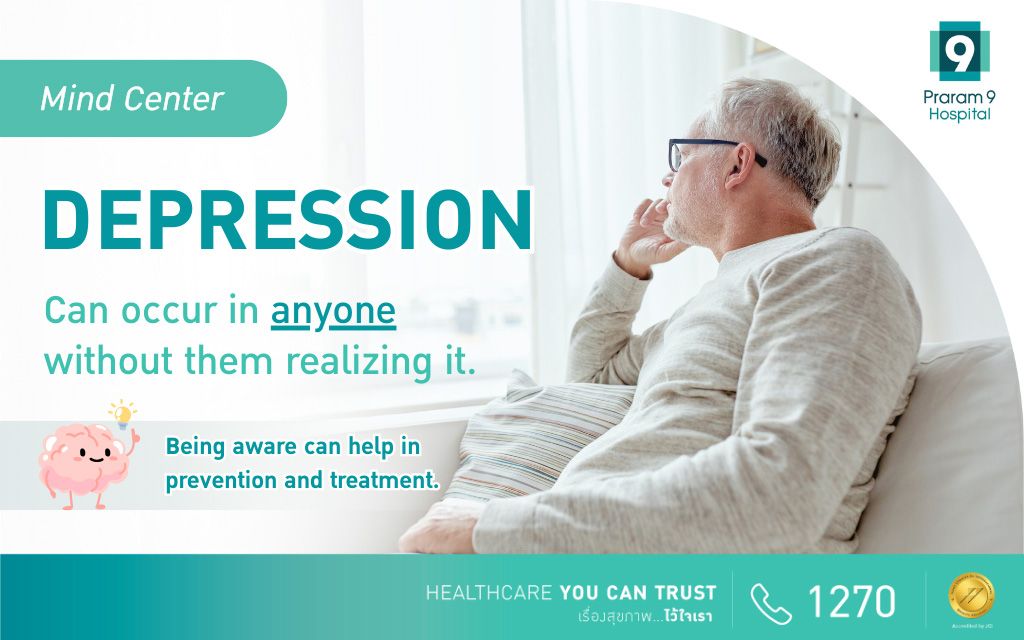
“Depression” can occur in anyone without them realizing it. Being aware can help in prevention and treatment.

“Depression” is a silent threat that is increasingly prevalent in today’s stressful society, and it is just as concerning as physical illness. According to the World Health Organization, 1 in 20 people is currently experiencing depression, which is not a small number.

Read More

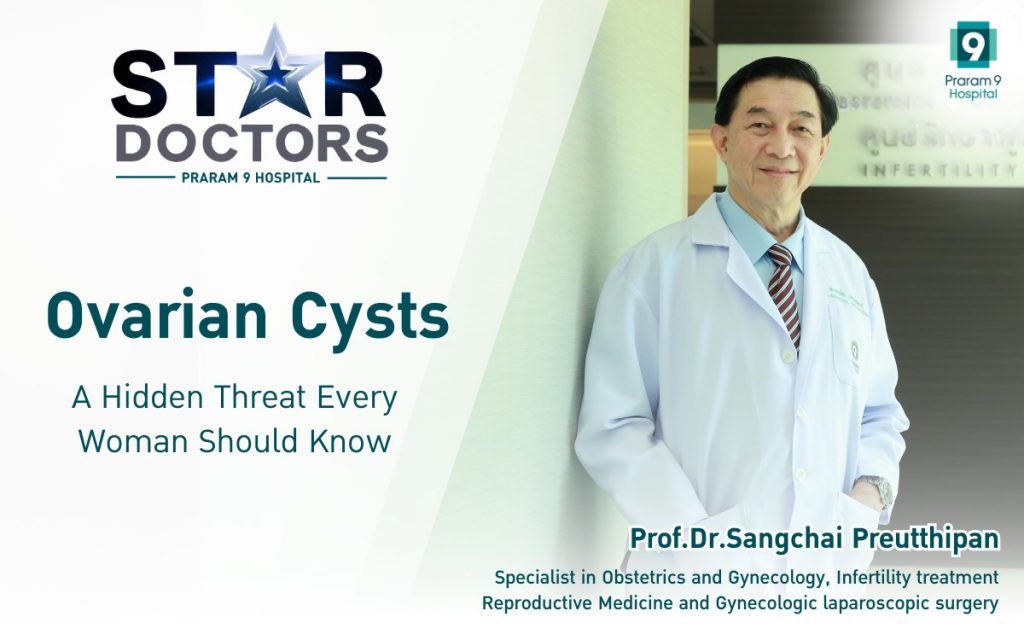
Ovarian Cysts: A Hidden Threat Every Woman Should Know

These days, who would have thought that “ovarian cysts” would become a silent danger women need to be aware of? What’s even more concerning is that ovarian cysts often present no clear warning signs. Many women may be unaware that they have an ovarian cyst until they experience severe symptoms such as intense menstrual cramps, irregular periods, abdominal bloating, noticeable lumps in the pelvic area, or severe pain during intercourse. If left untreated, this condition can potentially be life-threatening. Unveiling the Secrets of Ovarian Cysts with a Specialist Professor Emeritus Dr. Sangchai Preutthipan, a specialist in reproductive medicine and laparoscopic surgery from Praram 9 Hospital, explains that the “ovaries” are small, thumb-sized organs responsible for producing eggs each month. With each ovulation, a fluid-filled sac forms around the egg. Sometimes, these sacs don’t dissolve as they should, leading to cyst formation. There are several types of ovarian cysts, including those caused by ovarian dysfunction, tumor-related cysts, endometriosis cysts (also known as chocolate cysts), cysts resembling other body tissues, and even cancerous cysts. Dr. Sangchai further notes that women of reproductive age up until menopause are at risk for ovarian cysts. Around 30-35% of women develop cysts due to ovarian dysfunction, while 20% develop tumor-related or chocolate cysts. Approximately 15% may have cysts that resemble other tissue types, and 1-5% are diagnosed with cancerous cysts. Each type of cyst carries different health risks.

Read More

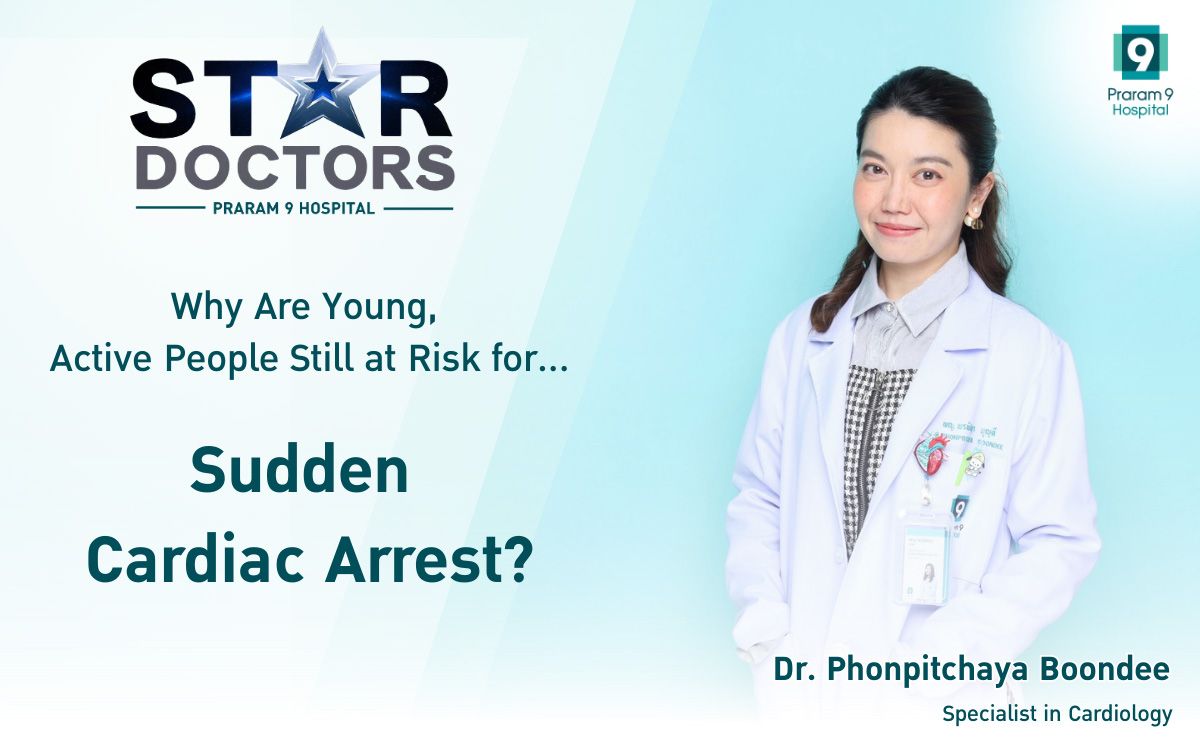
Why Are Young, Active People Still at Risk for Sudden Cardiac Arrest?

Recently, we’ve often heard of athletes—seemingly healthy and young—suddenly passing away, raising concerns about the true cause of sudden cardiac arrest (SCA) in athletes and young adults. Is there a connection with exercise? And how can we handle such situations to prevent unforeseen tragedies for ourselves and our loved ones? The Real Causes of Sudden Cardiac Arrest Dr. Phonpitchaya Boondee, a cardiologist at the Praram 9 Cardiovascular Institute, explains that the incidence of sudden cardiac arrest tends to increase with age. Among younger people, it occurs at a rate of 1:100,000, which rises to 50:100,000 in middle-aged adults and up to 200:100,000 in those over 80 years old. Additionally, men are more at risk of coronary artery disease than women. In young individuals with no underlying conditions, the primary cause of sudden cardiac arrest are usually electrical disturbances of the heart and hypertrophic cardiomyopathy. These are often genetic heart conditions that may present no prior symptoms, leaving individuals unaware they have heart disease.

Read More

Thyroid Disease Symptoms! Which type of thyroid disease do these symptoms indicate?

The thyroid gland is a butterfly-shaped organ located at the front of the neck. Its main function is to produce thyroid hormones, which are crucial for the body’s metabolic system. These hormones also contribute to growth and regulate heart rate, body temperature, and other hormonal functions. When the thyroid gland malfunctions, it can affect the levels of thyroid hormones in the body, leading to conditions like hyperthyroidism (excess thyroid hormone), hypothyroidism (insufficient thyroid hormone), or other thyroid disorders. Patients with these conditions may exhibit different symptoms. This article will explain the symptoms of various types of thyroid diseases to help you recognize them early. If you suspect any issues, it’s important to consult a doctor for prompt diagnosis and treatment.

Read More

Copyright © 2024 All Rights Reserved | Praram 9 Hospital