Health Articles
Knowledge
What Causes Allergies? Understand the Causes and Avoid Allergic Reactions
Allergies are a common health condition today, which may be influenced by increasing pollution or seasonal changes. Allergy symptoms are often more common during the winter and rainy seasons. Allergies can affect people of all genders and ages. According to data from the U.S. Centers for Disease Control and Prevention (CDC), allergies can be found in as many as 31% of the population aged 18 years and older. The causes of allergies, symptoms, and severity vary from person to person. In some cases, severe acute allergic reactions can even be life-threatening.
Key Takeaways
- Allergies are caused by an overactive immune response to allergens, which may be found in the air, food, chemicals, or the surrounding environment.
- Allergy symptoms vary from person to person, ranging from mild symptoms such as itching, sneezing, and a runny nose to severe acute reactions such as anaphylaxis, which can be life-threatening.
- Although allergies cannot be completely cured, they can be controlled by avoiding triggers, taking medication, maintaining good health, and receiving continuous treatment.
What Is an Allergy?
An allergy is a condition in which the body's immune system has an overly sensitive response (hypersensitivity) to an allergen or irritant, even though these substances are generally harmless to most people.
When the body is exposed to an allergen, the immune system is activated and responds by releasing a substance called histamine. This causes various allergic symptoms, such as sneezing, nasal congestion, a runny nose, or itchy skin. Symptoms may occur in only one body system or in several systems at the same time, depending on the type of allergy and each individual's sensitivity to allergens.
What Causes Allergies?
Allergies are caused by environmental and genetic factors. If either parent has a history of allergies, the child may have a 30–50% chance of developing allergies. Another factor is exposure to environmental allergens. Frequent exposure to allergens can also cause allergic reactions. Common allergens include:
- Pollen carried through the air is an important cause of allergies, particularly seasonal allergies.
- Household dust that accumulates in various areas of the home, including bookshelves, curtains, mattresses, and pillows, as well as dust floating in the air, is a common cause among people with respiratory allergies.
- Mold is commonly found in dark and humid areas, such as bathrooms, underneath houses, refrigerators, and soil used for growing plants. It can reproduce by releasing spores into the air.
- Pets and animals such as cats, dogs, birds, horses, and rabbits can also be important causes of allergies. Animal dander, fur, saliva, and urine, as well as bird feathers, can all trigger allergic reactions.
- Pollution and Irritants: Incense smoke, cigarette smoke, perfumes, air fresheners, smoke from charcoal stoves and fireplaces, vehicle exhaust, PM2.5 particles, and substances with strong odors can irritate the nose and worsen allergy symptoms.
- Cockroaches, including dust from their remains or body parts, can trigger nasal allergies and asthma, particularly in children.
- Food Allergens: Allergens found in foods such as seafood, eggs, and wheat may cause allergic reactions affecting various body systems.
- Contact Allergens: Exposure to allergens through the skin, nose, eyes, or ears, insect bites or stings through the skin, or the use of certain medications may cause allergic skin rashes.
Symptoms of Allergies
Allergy symptoms may differ from one patient to another, depending on how the body responds to allergens. Symptoms may include:
- Respiratory Symptoms: Mild symptoms may include an itchy nose and throat, runny nose, coughing, and sneezing. If the allergic reaction is severe enough to cause swelling of the airways, it may lead to chest tightness and shortness of breath. Some patients with respiratory allergies may also develop dark circles under the eyes when symptoms persist chronically.
- Eye Symptoms: Symptoms may range from mild eye irritation to conjunctival inflammation, burning eyes, red eyes, itchy eyes, swollen eyelids, frequent eye rubbing, abnormal tearing, or small rashes around the eyes.
- Skin Symptoms: Common symptoms include itching, hives, raised red swelling, red rashes, and skin inflammation.
- Gastrointestinal Symptoms: Allergic reactions may cause abdominal pain, vomiting, and diarrhea, which are commonly found in patients with food or medication allergies.
The severity of allergic symptoms varies from person to person. In severe cases, multiple body systems may be affected simultaneously, particularly in an acute and severe allergic response known as anaphylaxis. This is a medical emergency that requires immediate treatment.
Prevalence of Allergies
The prevalence of allergies is currently increasing worldwide, including in Thailand. One contributing factor is increasing environmental pollution, including dust, toxic fumes, and various chemicals in the air. This is combined with changes in lifestyle, including living in crowded urban areas, spending time in enclosed buildings with poor ventilation, having a fast-paced lifestyle, and paying less attention to cleanliness.
Psychological factors such as stress also play an important role, as stress can cause the immune system to function abnormally and increase sensitivity to allergens.
Common Types of Allergies
Allergies can cause a variety of allergic reactions. They can be categorized according to the causes that trigger the allergic reactions as follows:
Respiratory Allergies
Respiratory allergies, or allergic rhinitis, are commonly caused by airborne allergens such as dust mites, smoke, pollen, and various mold spores. These can irritate and cause inflammation of the upper respiratory tract. Respiratory allergies can occur in two forms:
- Seasonal Allergic Rhinitis: Patients typically experience recurring symptoms during a particular period of the year, most commonly due to pollen allergies.
- Perennial Allergic Rhinitis: This is commonly caused by allergens that can be encountered throughout the year, such as dust mites, mold, cockroaches, and dust.
Skin Allergies
Skin allergies may result from contact with substances such as dust mites or chemicals, or may be associated with food and medication allergies. Common symptoms include burning, itching, hives, swollen eyes, swollen lips, red or dry and peeling skin, and other symptoms.
Food and Drug Allergies
Food and drug allergies commonly occur as a result of an allergic reaction to allergens or ingredients contained in foods or medications. After ingestion, the body may develop various acute allergic symptoms, including swollen lips, facial swelling, abdominal pain, diarrhea, vomiting, and itchy rashes. In severe cases, allergic reactions may cause difficulty breathing, chest tightness, loss of consciousness, and death. Foods that commonly cause allergies include cow's milk, peanuts, eggs, and seafood.
How Can You Tell If You Have an Allergy?

If you have symptoms or suspect that you have an allergy, you can undergo allergy testing. Doctors may use the following diagnostic approaches:
- Medical History and Physical Examination: The doctor will examine the nose, eyes, ears, and throat, as well as the lungs and heart. The doctor will also ask about the characteristics and severity of allergic symptoms to assess possible causes and develop a treatment and prevention plan.
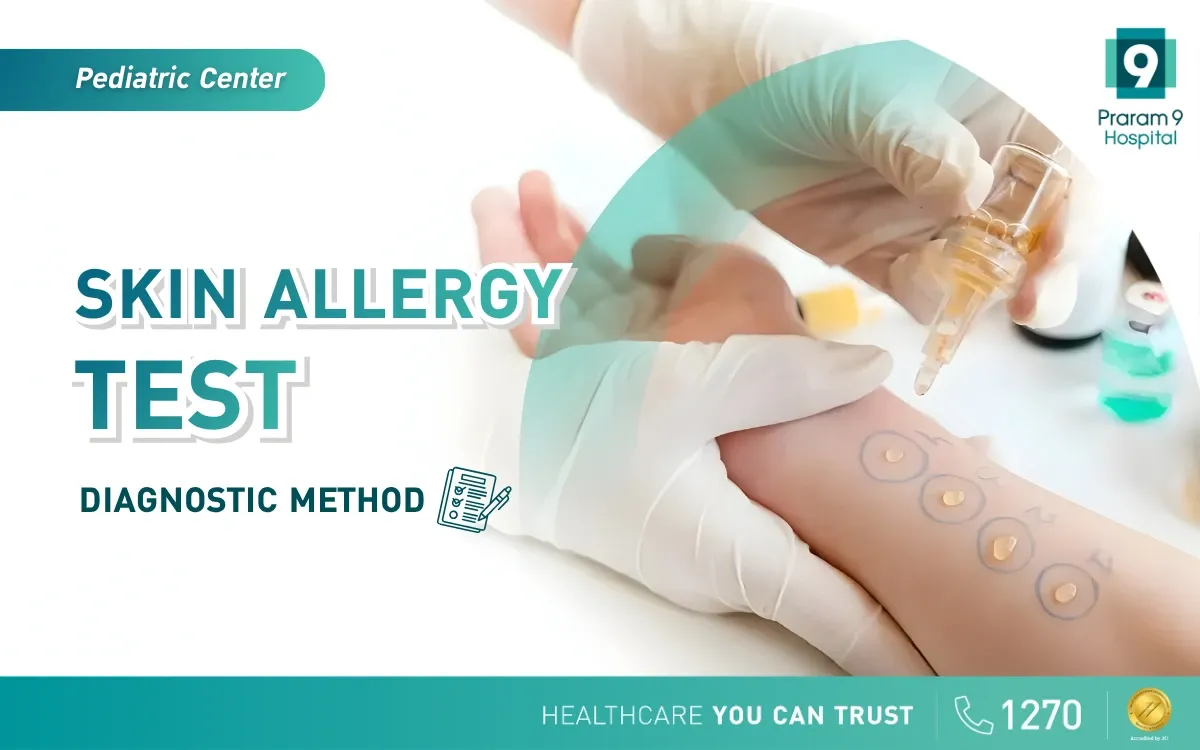
- Skin Prick Test: The doctor may perform a skin prick test by pricking the skin on the arm to test different allergens. This helps identify which allergens cause symptoms and assess the severity of the body's response to different allergens.
- Allergen-Specific IgE Blood Test: The doctor may consider this method for people who experience severe allergic reactions.
Treatment of Allergies
Allergies cannot be completely cured, but symptoms can be improved. The best approach to allergy treatment is to focus on avoiding the factors that trigger allergic reactions and maintaining good health to strengthen the body's immune system. However, doctors may consider additional treatments, such as:
- Medications may be used to relieve allergy symptoms, such as antihistamines, decongestants, or steroid nasal sprays.
- Allergen immunotherapy is a treatment method that provides good treatment outcomes. It can reduce allergic symptoms by more than 80% and can stimulate the development of immunity to allergens by up to 500–1,000 times without the need to take medication regularly. However, patients must receive injections regularly and consistently for 2–3 years. This can provide long-lasting immunity for up to 10 years.
- Surgery may be considered for people with abnormal nasal structures that cause more severe allergy symptoms, potentially leading to obstructive sleep apnea.
Health Care for People with Allergies
People with allergies should take continuous care of their health to control symptoms and reduce the risk of possible complications. Self-care measures include:
- Avoid allergens and various pollutants. People with food allergies should be particularly careful when consuming certain foods, as they may contain allergens.
- Take antihistamines when symptoms occur and monitor your symptoms. If severe symptoms develop, seek medical attention promptly.
- Regularly rinse the nose with saline solution. Doctors may recommend this for people with allergies who also have sinusitis. Nasal irrigation helps remove impurities from inside the nose while adding moisture to the nasal passages.
- Stop smoking and avoid alcoholic beverages.
- Exercise regularly, get sufficient rest, and eat nutritious foods.
- Vaccination is recommended to help prevent respiratory infections, such as receiving an influenza vaccine, along with regular annual health check-ups.
Prevention of Allergic Reactions
Allergic reactions commonly occur when the body comes into contact with allergens. Therefore, the best way to prevent allergic reactions is to avoid triggers that may cause symptoms. This can be done as follows:
- Keep the home clean. Clean the bedroom regularly to prevent dust mites, maintain bathroom cleanliness to prevent mold, and eliminate cockroaches in drains.
- Wear protective clothing and a face mask when going outside to reduce exposure to allergens in the external environment.
- Undergo allergy testing to identify and avoid allergens that cause symptoms. Allergy testing may be performed through a skin prick test or blood test.
Allergies: Early Detection for Better Prevention
Allergies are an overactive response of the body to allergens, resulting in various allergic symptoms. Allergy testing can help identify the type of allergen, allergic symptoms, the body's response, and the severity of the reaction. If you are diagnosed with an allergy, you should avoid allergens, take medication to relieve symptoms, and maintain good health. If a severe allergic reaction occurs, seek medical attention immediately, as severe allergic reactions can be life-threatening.
Praram 9 Hospital provides diagnostic and treatment services by specialist doctors, along with guidance on self-care and ways to manage symptoms to reduce the likelihood of recurring allergic reactions, helping patients adapt and live safely.
For More Information
- Facebook: Praram 9 Hospital International & Expats
- Line: @Praram9Hospital
- Tel: 1270
Frequently Asked Questions About Allergies
1. Can Allergies Really Cause Dark Circles Under the Eyes?
Allergies can cause dark circles under the eyes, particularly in people with allergic rhinitis. Inflammation and swelling of the nasal cavity can affect blood circulation, causing blood to accumulate beneath the eyes and making the skin under the eyes appear darker than usual.
2. Are Allergies Considered a Chronic Medical Condition?
Allergies can be considered a chronic medical condition with symptoms ranging from mild to severe, particularly when symptoms are chronic or recur frequently. Symptoms often recur when the body comes into contact with allergens such as dust, pollen, or certain foods.
References
InformedHealth.org [Internet]. Cologne, Germany: Institute for Quality and Efficiency in Health Care (IQWiG); 2006-. Overview: Allergies. [Updated 2023 Aug 8]. Available from: https://www.ncbi.nlm.nih.gov/books/NBK447112/
Krans, B. & Holland, K. (2025, July 7). Everything You Need to Know About Allergies. Healthline. https://www.healthline.com/health/allergies
Allergies. (2025, January 4). Cleveland Clinic. https://my.clevelandclinic.org/health/diseases/8610-allergies