Health Articles
Knowledge
What Causes Allergies? Understand the Causes and Avoid Allergic Reactions
RAWEERAT SITCHARUNGSI,MD.
What Is Allergic Rhinitis?
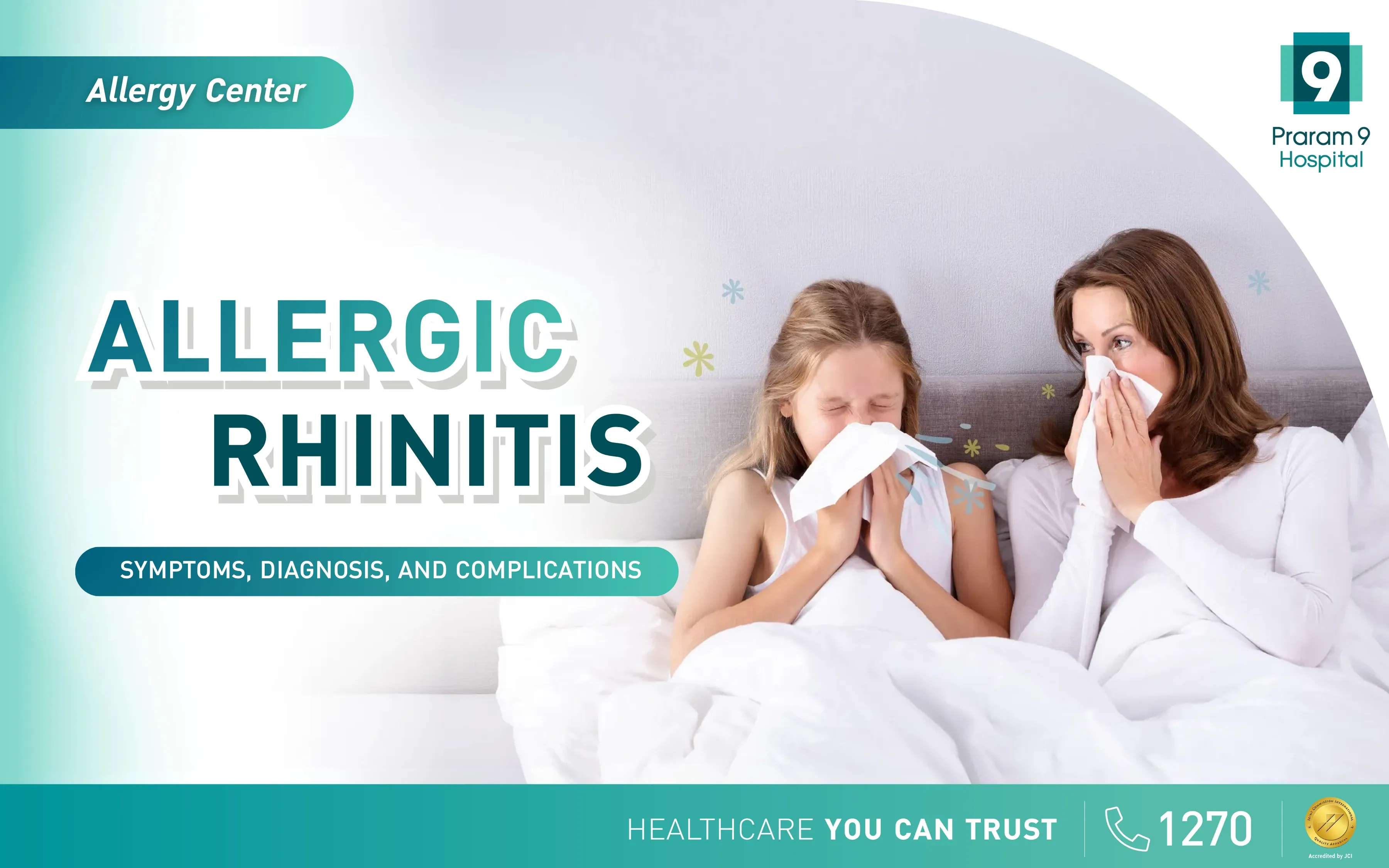
Allergic rhinitis is one of the most common allergic conditions, affecting both children and adults, particularly those living in large cities where they are regularly exposed to dust, pollution, or allergens.
Although many people are familiar with the term “air allergy,” the condition is actually caused by chronic inflammation of the nasal lining. If left untreated or not properly managed, it may affect sleep, work, learning, and increase the risk of other respiratory conditions in the long term.
Symptoms of Allergic Rhinitis: How Can You Tell It Apart from a Common Cold?
A key characteristic of allergic rhinitis is that symptoms tend to recur, particularly when triggered by factors such as cold weather, dust in the bedroom, changes in the weather, or after waking up. Patients usually experience at least 2 of the following 4 main symptoms:
- Frequent sneezing, especially in the morning or after exposure to dust
- An itchy nose or irritation inside the nasal cavity
- Nasal congestion, difficulty breathing, or a feeling of nasal blockage
- Clear nasal discharge that continues or becomes chronic
Common accompanying symptoms include itchy eyes, red eyes, chronic cough, watery eyes, and snoring caused by upper airway obstruction. If these symptoms persist for more than 4 weeks or recur frequently, an evaluation by a specialist is recommended, as they may indicate chronic inflammation in the nasal cavity.
What Causes Allergic Rhinitis?
This condition occurs when the immune system overreacts to allergens, causing the body to release histamine. This leads to swelling and inflammation of the nasal lining. Common allergens include:
- Dust mites
- Household dust
- Mold
- Pollen
- Cockroaches
Diagnosis of Allergic Rhinitis
To ensure accurate and appropriate treatment, the doctor will take a medical history and perform a physical examination. Findings may include a swollen, pale nasal lining and clear mucus remaining inside the nasal cavity. Additional tests may also be considered.
Skin Prick Test
A skin test is a standard method in which allergens are applied to the skin and the reaction is evaluated. Results can usually be obtained within approximately 15–20 minutes.
Specific IgE Test
A blood test for specific IgE is suitable for patients who are unable to stop taking antihistamines or have limitations that prevent them from undergoing a skin test.
Why Should Chronic Allergic Rhinitis Not Be Left Untreated?
Long-term inflammation may lead to more serious complications, including:
- Increased Risk of Asthma: The upper and lower airways are connected. If allergic rhinitis symptoms cannot be properly controlled, the risk of developing asthma may increase.
- Sinusitis: Swelling of the nasal lining may obstruct mucus drainage, making infections in the sinus cavities more likely.
- Otitis Media: This is particularly common in children. Nasal congestion may affect the function of the Eustachian tube in the ear.
- Reduced Quality of Life: Symptoms may interfere with sleep, cause daytime drowsiness, reduce concentration, and make individuals feel unwell more easily than usual.
Treatment and Self-Care for Allergic Rhinitis
Effective management of allergic rhinitis requires medical treatment together with lifestyle adjustments.
1. Medical Treatment
- Avoiding allergens: Reduce exposure to triggers. For example, use dust mite-proof bedding and pillow covers, wash bedding regularly with hot water, and control humidity in the home to help prevent mold growth.
- Appropriate medication use: Antihistamines or steroid nasal sprays may be used according to the doctor’s recommendations to control inflammation and reduce the risk of complications.
- Allergen Immunotherapy: This may be an option for patients with chronic symptoms or those who do not respond adequately to medication. It helps modify the immune system’s response, making it less sensitive to allergens and offering the possibility of long-term resolution in some patients.
2. Self-Care and Lifestyle Adjustments
Taking care of overall health may help strengthen the immune system:
- Manage the environment: Pay particular attention to keeping the bedroom clean and avoid incense smoke, cigarette smoke, and pollution.
- Maintain healthy habits: Get sufficient rest and exercise regularly, which may help reduce the severity of symptoms.
More information
Frequently Asked Questions About Allergic Rhinitis
1. When Should You See an Allergy Specialist?
If you experience chronic nasal congestion, frequent sneezing every morning, persistent clear nasal discharge, an unexplained chronic cough, or symptoms that interfere with sleep and daily life, you should seek further medical evaluation as soon as possible. Early diagnosis may help reduce the risk of developing chronic conditions.
2. Is It Dangerous to Use Steroid Nasal Sprays for a Long Time?
This type of nasal spray acts locally and contains a very small amount of medication, unlike oral steroids. Doctors may recommend continuous use to reduce chronic inflammation. This may be safer than allowing the condition to worsen and lead to complications such as asthma or sinusitis.
3. Can Allergic Rhinitis Be Completely Cured?
With allergen immunotherapy, some patients may have the possibility of long-term resolution. However, treatment requires time and consistency.