Health Articles
Knowledge
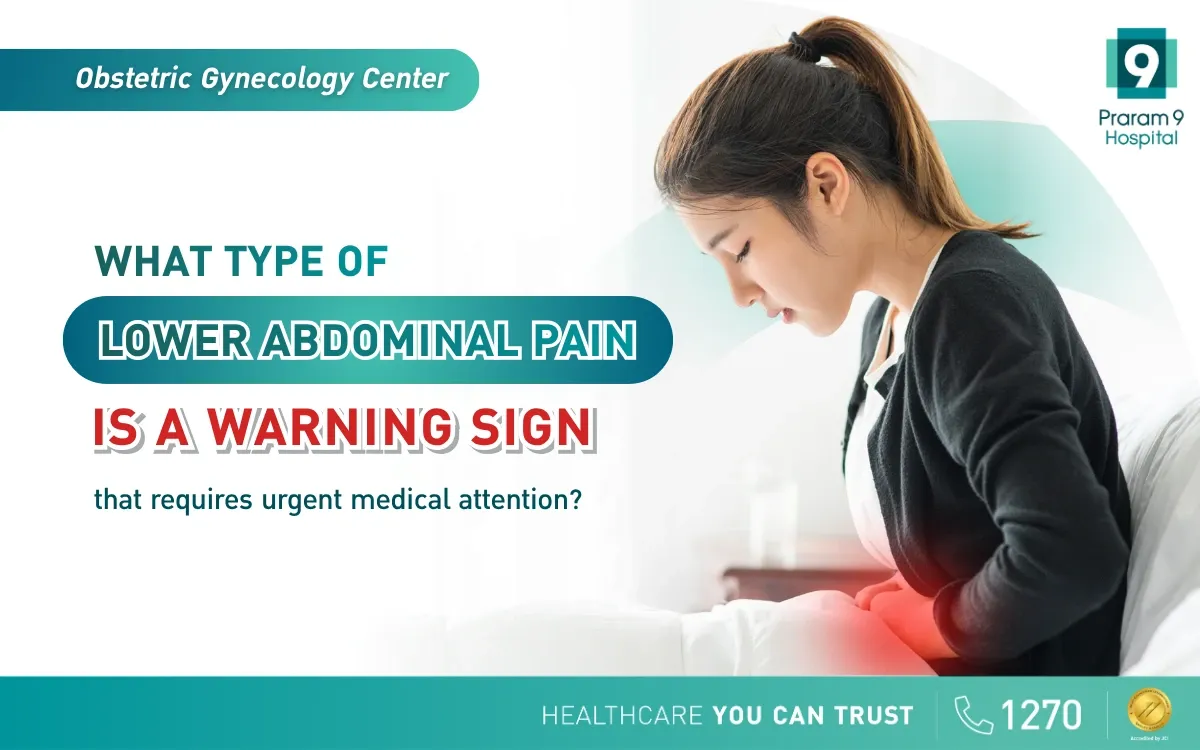
Frequent menstrual abdominal pain, do not endure it; hurry to find the cause before it becomes dangerous
RATCHANIKON LOETWORAWANIT, M.D.
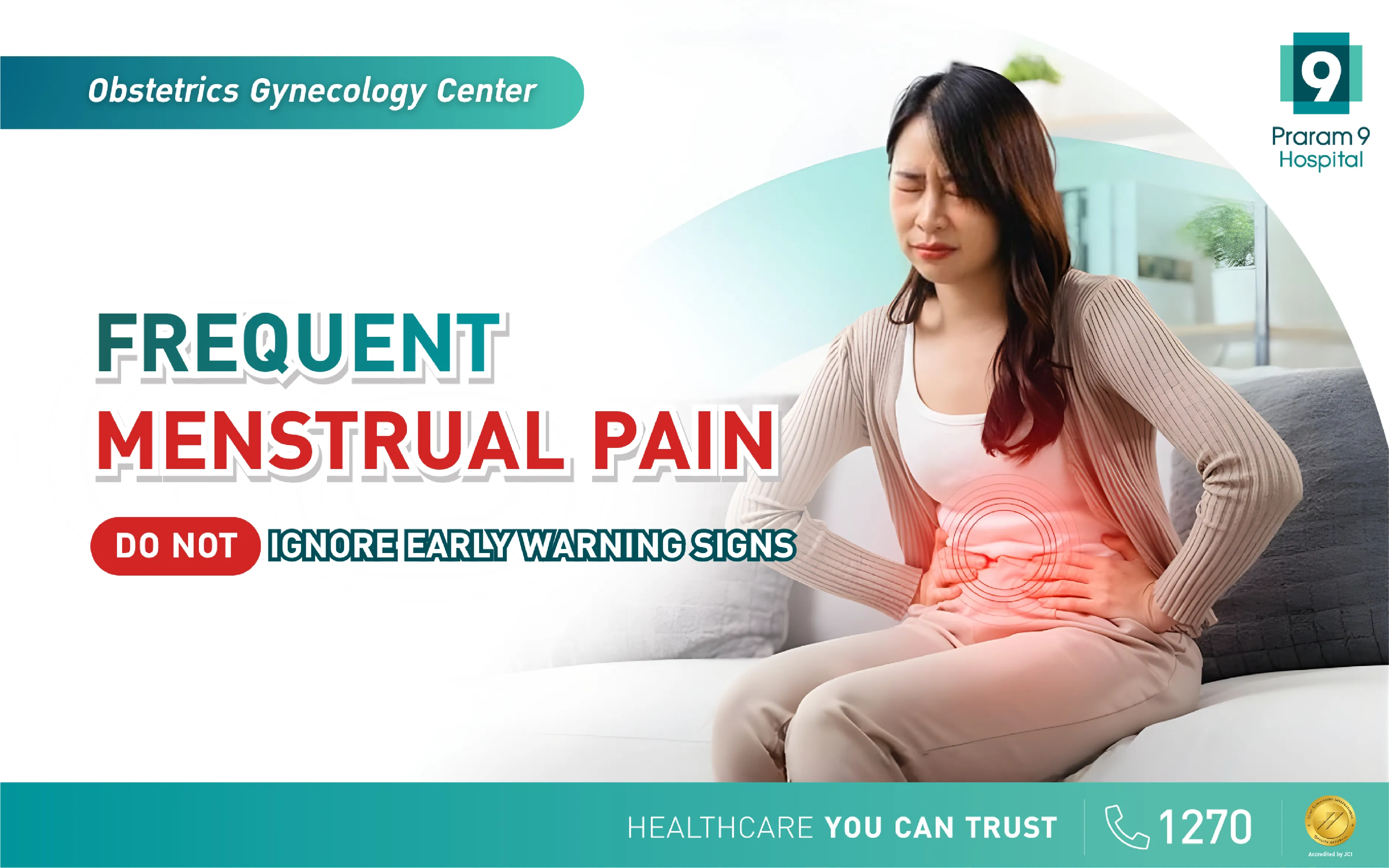
For women of reproductive age, menstrual abdominal pain or period pain may not be something far from them, and for some it may be a symptom that must be faced every month. In cases where menstrual abdominal pain is not very severe, taking medication or resting can relieve the symptoms. However, if the menstrual pain is severe enough to interfere with daily life, this may be a sign of a serious disease that must be addressed promptly for the patient’s long-term quality of life.
Key Takeaways
- Menstrual abdominal pain may not be just a normal symptom, especially severe menstrual pain that affects daily life, which may be a warning sign of abnormalities of the pelvic organs.
- Menstrual pain symptoms that should be closely observed include severe pain even after taking medication, abnormally heavy menstruation, foul-smelling vaginal discharge, lower abdominal pain even without menstruation.
- Initial menstrual abdominal pain symptoms can be relieved by applying heat, light exercise, overall health care, and taking pain-relieving medication.
Menstrual abdominal pain and commonly associated symptoms
The characteristics of menstrual pain or period pain are usually cramping, dull pain in the lower abdomen. The severity of pain may vary among individuals. In some cases, menstrual pain may occur together with other symptoms that may further increase the severity of menstrual abdominal pain, including:
- Headache
- Loose stools, diarrhea
- Dull lower abdominal pain
- Lower back pain radiating to the thighs
- Emotional sensitivity due to hormones
These menstrual abdominal pain symptoms together with the above symptoms may occur at different times. In some cases, they may occur 1–2 days before menstruation, or in some cases they may occur during menstruation.
What causes menstrual abdominal pain?
Menstrual abdominal pain can occur from 2 main causes as follows:
Primary dysmenorrhea
Primary dysmenorrhea is menstrual pain without abnormal pathology, caused by ‘prostaglandins (Prostaglandins)’ which increase during menstruation, causing the uterine muscles to contract more strongly. Blood and oxygen supply to the muscles decreases, resulting in lower abdominal pain or menstrual pain.
Secondary dysmenorrhea
Secondary dysmenorrhea is menstrual pain caused by abnormalities of the pelvic organs, which is more commonly found in women aged around 30 years and above. Those in this group have more severe and chronic menstrual pain. Even after taking pain medication, it may not improve. In addition, there may be other abnormal symptoms such as irregular menstruation, abnormally heavy menstruation, large blood clots in menstruation, etc.
Which type of menstrual abdominal pain is dangerous and should see a doctor quickly
Do not neglect if abdominal pain is found with the following characteristics, as it may indicate menstrual pain caused by abnormal pelvic organs:
- Very severe menstrual pain, not relieved even after taking pain medication
- Pain that becomes more severe every month
- Abnormally heavy menstruation, may need to change sanitary pads every hour
- May have lower abdominal pain even when not menstruating
- Irregular menstruation, such as prolonged menstruation or absence of menstruation for several months
What diseases can menstrual abdominal pain be associated with?
Abnormal menstrual abdominal pain may be a sign of the following health abnormalities:
Endometriosis
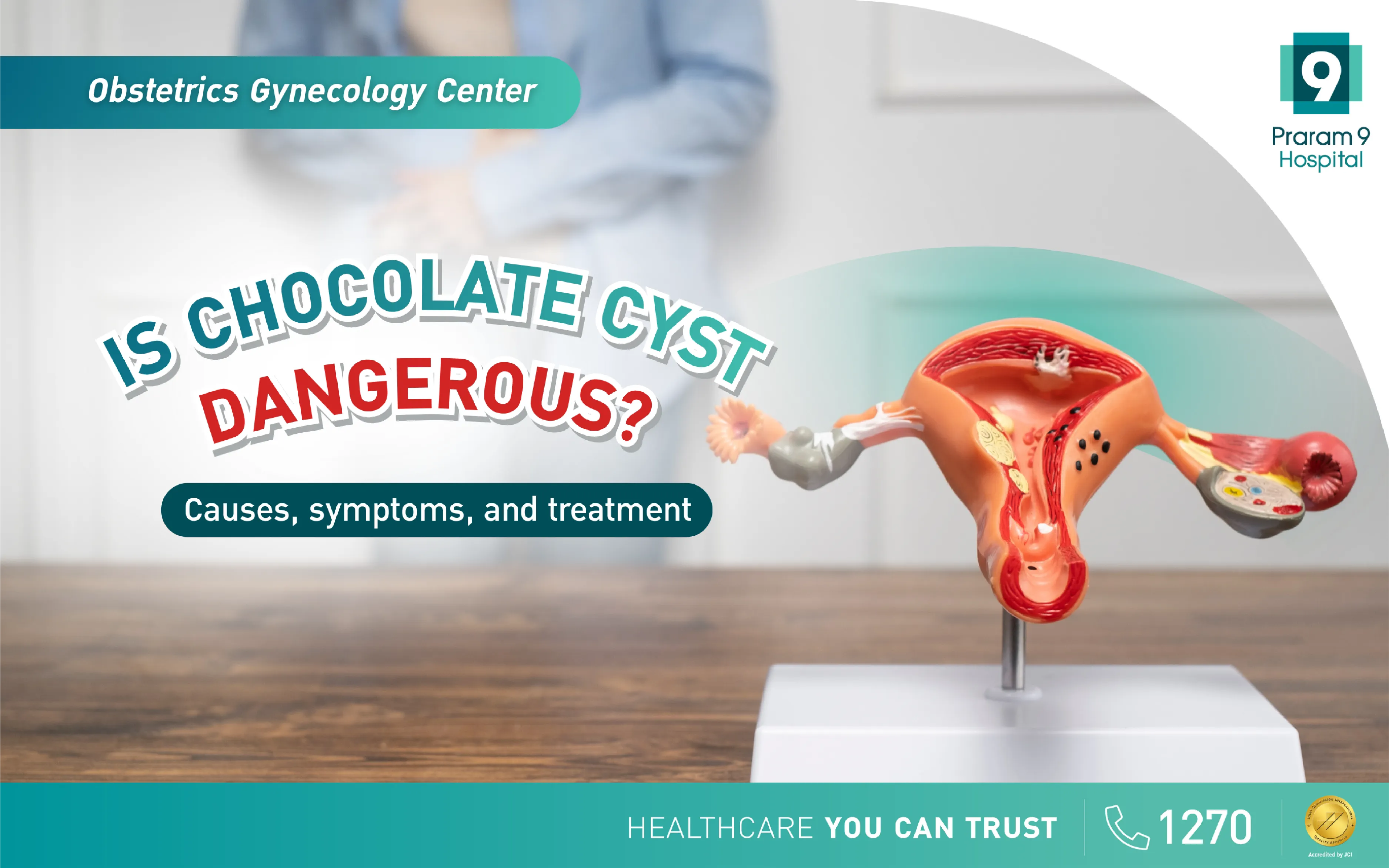
Endometriosis, such as chocolate cyst (Chocolate Cyst), is endometrial tissue growing in the ovary, forming a chocolate cyst.
Learn more about cysts in the article “Cyst” or ovarian cyst: what are the symptoms? along with in-depth causes and treatment methods
Uterine fibroids
Uterine fibroids occur when uterine muscle cells grow abnormally and form tumors. Most are not malignant cancer, but if the tumor grows larger, it may cause menstrual abdominal pain.
Pelvic inflammatory disease
Pelvic inflammatory disease is usually caused by bacterial infection of the upper reproductive organs, resulting in inflammation and lower abdominal pain even when not menstruating.
Cervical stenosis
Normally, menstrual blood is expelled from the body through the cervix, but when the cervix is narrowed, menstrual blood does not flow easily, causing cramping pain in the abdomen.
Methods to relieve menstrual abdominal pain
Menstrual pain affects quality of life considerably. Relieving menstrual pain will help you live daily life more comfortably. The pain can be relieved by the following methods:
- Applying heat: a hot water bag or heat patch can be placed on the lower abdomen to relax muscles and reduce cramping menstrual pain
- Light exercise such as brisk walking or yoga helps stimulate blood circulation and relieve lower abdominal cramping
- Gentle massage of the lower abdomen helps relax muscles and reduce abdominal cramping
- Avoid risky behaviors such as consuming caffeine, smoking, drinking alcohol
- Using pain-relieving medication such as nonsteroidal anti-inflammatory drugs (NSAIDs)
Severe menstrual abdominal pain may not be a small matter that should be ignored; see a doctor promptly for targeted care
Menstrual abdominal pain or period pain affects the patient’s quality of life considerably, especially those with severe pain that may cause them to miss many opportunities during important times. If there is severe or abnormal menstrual abdominal pain, do not endure it. It is recommended to see a doctor promptly for diagnosis and to plan the most appropriate treatment.
For more information
Facebook : Praram 9 Hospital International & Expats
Line : @Praram9Hospital
Tel. 1270
Frequently asked questions about menstrual abdominal pain
Can general painkillers relieve menstrual abdominal pain?
General painkillers such as paracetamol have a slight inhibitory effect on prostaglandins, therefore they can help relieve mild menstrual abdominal pain.
Can menstrual pain be completely cured?
If menstrual pain is caused by abnormalities of the pelvic organs, treating the underlying cause may make the menstrual pain disappear. However, in cases of menstrual pain without abnormal pathology, it may not be possible to completely cure the pain. However, maintaining good overall health can help reduce severe cramping.
References
Dysmenorrhea (Menstrual Cramps). (2023, May 22). Cleveland Clinic. https://my.clevelandclinic.org/health/diseases/4148-dysmenorrhea
Crosta, P. (2024, January 11). What to know about menstrual cramps. MedicalNewsToday. https://www.medicalnewstoday.com/articles/157333
WebMD Editorial Contributors. (2024, November 9). Menstrual Cramps. WebMD. https://www.webmd.com/women/menstrual-cramps