Health Articles
Knowledge
Cystitis, a common condition among office workers that should not be overlooked!
CHALOTHORN TAESILAPASATHIT,M.D.
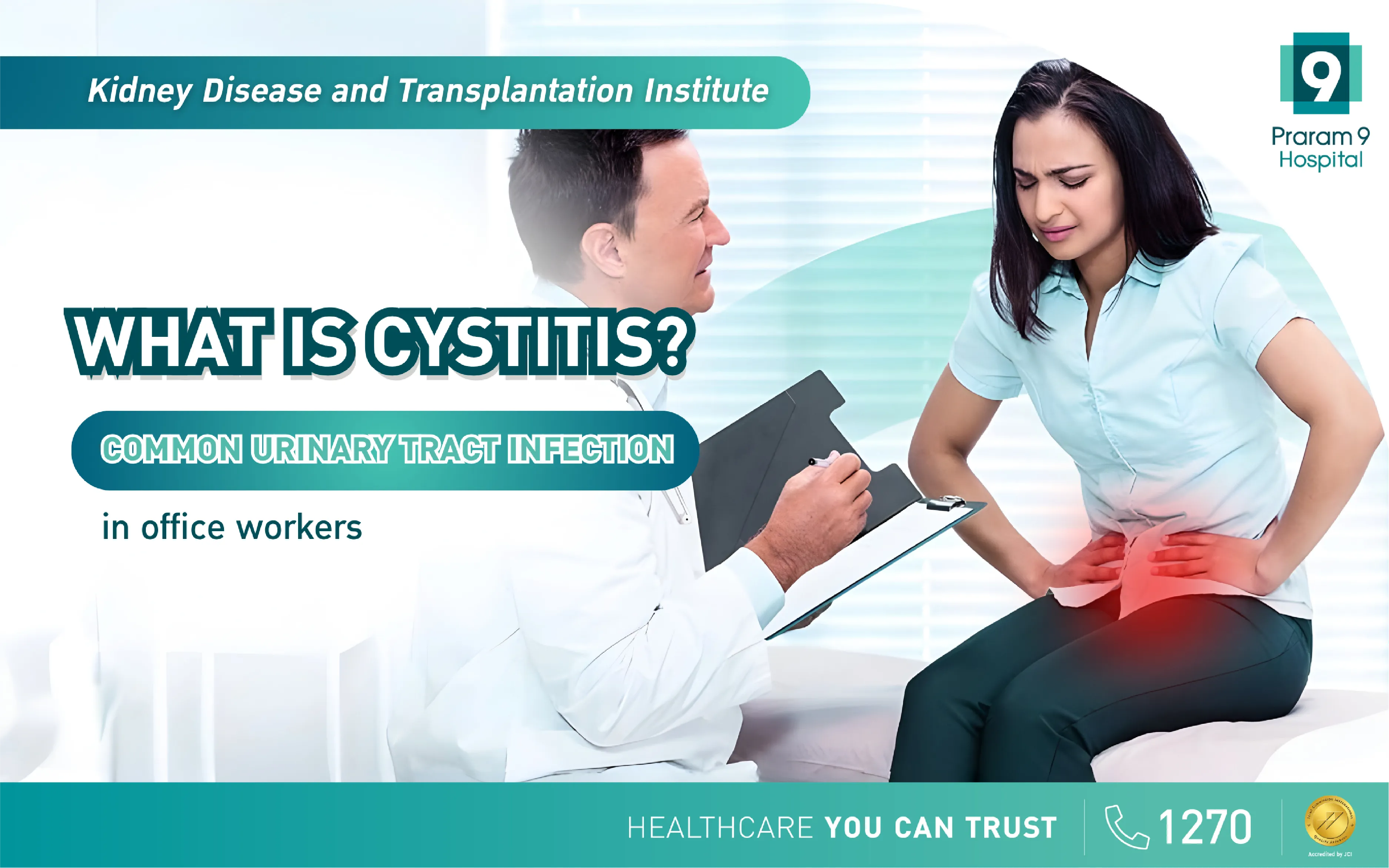
Sitting for long periods, drinking little water, or regularly holding urine may cause many people to unknowingly face a common condition such as “cystitis.” The initial symptoms may seem minor, such as frequent urination or a burning sensation during urination, but if left untreated for a long time, it may lead to health problems and serious complications in the future.
In this article, we will introduce the function of the urinary bladder, including the causes and symptoms of cystitis, as well as methods of treatment and prevention so that you can stay away from this condition, especially office workers who face more risk than expected!
Key Takeaways
- Cystitis is a common urinary tract infection, especially in women and office workers who drink little water or frequently hold urine.
- Common symptoms of cystitis include burning pain during urination, frequent urination, cloudy or blood-tinged urine, and in some cases lower abdominal pain.
- Prevention can be done by drinking enough water, not holding urine, maintaining hygiene, and observing abnormal symptoms in order to receive timely treatment.
What is the function of the urinary bladder?
The urinary bladder (Urinary Bladder) is one of the important organs of the urinary system. Its main function is to store waste in the form of urine. The kidneys filter these wastes from the blood before sending them through the ureters to be stored in the bladder.
The bladder has the characteristics of a hollow sac that can expand, located in the pelvic area. When the volume of urine in the bladder increases, the muscular wall of the bladder begins to send signals to the brain, causing the sensation of needing to urinate. At the appropriate time, the body controls the relaxation of the sphincter and the contraction of the bladder to expel urine from the body.
In addition, the bladder works in coordination with the kidneys, which function to regulate the balance of water in the body. It helps maintain fluid levels, blood pressure, and mineral balance in a normal state. If the bladder becomes infected or inflamed, it may cause various abnormalities and lead to serious health problems such as hematuria or increase the risk of complications such as kidney stones in the long term.
What causes cystitis?
Cystitis (Cystitis) is a condition caused by inflammation of the bladder wall. Most cases are caused by bacterial infection in the urinary tract, which is more commonly found in women than men because women have a shorter urethra and it is located closer to the anus, allowing pathogens to enter the bladder more easily.
The most common cause of cystitis is infection with Escherichia coli (E. coli), which normally resides in the large intestine but can easily contaminate the urinary tract through certain behaviors, such as wiping from back to front or holding urine for a long time. The latter behavior is commonly found among office workers who are occupied with meetings or continue working without going to the restroom.
In addition, there are other causes that can trigger cystitis, such as frequent or vigorous sexual intercourse, the use of irritating soaps or cleansing products for the intimate area, urinary catheterization, hormonal changes during menopause, and certain chronic diseases such as diabetes that may reduce the body’s immunity.
In some cases, there may be associated conditions such as urethritis, which further increases the severity of symptoms, such as painful urination, lower abdominal pain, or blood in the urine. Understanding the causes of cystitis can help avoid risk factors and reduce the chance of recurrence in the future.
What are the symptoms of cystitis?
When cystitis occurs, it may cause abnormalities in the urinary system that clearly affect daily life, especially among working individuals who may ignore initial symptoms such as frequent urination or dysuria, thinking that they are due to stress or low water intake. However, if left untreated, these symptoms may progress and become more severe.
Common symptoms of cystitis include:
- Burning pain or discomfort during urination
- Frequent urination in small amounts
- A feeling of pressure or pain in the lower abdomen or pelvic area
- Urine with an unusual odor or cloudy appearance
- Blood in the urine in some cases
- Back pain or fever (in cases where the infection has spread to the kidneys)
- Fatigue or a general feeling of unwellness
If these symptoms occur frequently or multiple symptoms are present together, medical consultation should be sought immediately for accurate diagnosis, as the symptoms of cystitis may be similar to urethritis or other urinary tract conditions. Proper examination will help ensure appropriate treatment.
How is cystitis diagnosed?
When symptoms suggest cystitis, such as burning during urination, frequent urination, or lower abdominal pain, accurate diagnosis by a physician is important to distinguish it from other urinary tract conditions such as urethritis or kidney infection, which may have similar early symptoms. Diagnostic methods include:
- Medical history and physical examination: The physician will ask about symptoms, frequency of urination, characteristics of urine, and other associated symptoms for initial assessment.
- Urinalysis: A basic test used to detect abnormalities such as white blood cells, red blood cells, or bacteria in the urine.
- Urine culture: If bacterial infection is suspected, culture helps identify the type of bacteria and allows precise selection of appropriate antibiotics.
- Lower abdominal ultrasound: Used in cases of recurrent infection or when abnormalities in the bladder or other urinary tract structures are suspected, such as stones or tumors.
- Cystoscopy: Usually used when symptoms do not improve after treatment or when there is hematuria. A small scope is inserted through the urethra to directly examine the bladder.
Treatment of cystitis
If diagnosed with cystitis, timely treatment is important as it helps reduce symptoms and prevent the spread of infection to the kidneys or other organs in the urinary system. Treatment approaches vary depending on the cause and severity of symptoms, as follows:
- Antibiotics: If cystitis is caused by bacterial infection, the physician will prescribe appropriate antibiotics, which may be taken continuously for 3–7 days depending on the type of bacteria and urine culture results.
- Symptomatic treatment: In some cases, the physician may prescribe pain relievers or medications to reduce bladder spasms to alleviate burning or painful urination.
- Recurrent infection: If infections occur repeatedly, further investigations such as ultrasound or cystoscopy may be considered to identify underlying causes, and in some cases, low-dose antibiotics may be prescribed for a prolonged period.
Following medical advice strictly, along with maintaining hygiene and appropriate urination habits, can help cystitis resolve faster and reduce the chance of recurrence.
How can cystitis be prevented?
Prevention of cystitis is key to maintaining a healthy urinary tract, especially among office workers who often face problems with prolonged urine retention or low water intake due to workload and work environment that may not support self-care.
Behavioral modification and maintaining good hygiene can effectively reduce the risk of cystitis. Recommended preventive measures include:
- Drink at least 6–8 glasses of water per day to help flush out pathogens from the urinary tract
- Do not hold urine for too long; go to the restroom immediately when feeling the urge
- Maintain cleanliness of the intimate area using gentle and appropriate products
- Avoid beverages that irritate the bladder such as coffee, alcohol, or high-sugar drinks
- After sexual intercourse, urinate immediately and clean the area to prevent bacteria from entering the urethra
- If abnormal symptoms such as frequent or painful urination occur, seek medical advice promptly for appropriate treatment
Cystitis: Know it, prevent it!
Cystitis is a condition that can occur in anyone, especially office workers who have behaviors such as holding urine or drinking little water. If not properly managed, symptoms may progress and affect overall health, leading to serious complications. If cystitis is suspected, medical diagnosis should be sought immediately to receive proper and timely treatment.
At the Kidney Institute, Praram 9 Hospital, there is a team of specialists in the urinary system, along with modern technology and equipment to accurately diagnose and treat conditions. If there are complications related to kidney disease or risks among kidney patients, consultation and treatment can be received immediately. We are ready to provide care for kidney health and the urinary system to ensure better long-term health.
For more information
Facebook : Praram 9 Hospital International & Expats
Line : @Praram9Hospital
Tel. 1270
Frequently Asked Questions about cystitis
1. What are the risk factors for cystitis?
The main risk factors for cystitis include holding urine for a long time, low water intake, bacterial infection in the urinary tract, as well as women having a shorter urinary tract structure than men, and office workers who have behaviors of not frequently getting up to use the restroom.
2. Can cystitis resolve on its own?
In some mild cases, cystitis may improve on its own without medication. However, if there are symptoms such as frequent urination, burning, or blood in the urine, medical consultation should be sought promptly for appropriate diagnosis and treatment, as leaving it untreated may lead to complications and progression of symptoms.
References
Esra S. Shermadou; Sajedur Rahman; Stephen W. Leslie. (2023, July 24). Anatomy, Abdomen and Pelvis: Bladder. National Library of Medicine. https://www.ncbi.nlm.nih.gov/books/NBK531465/
NHS Team. (2022, February 11). Cystitis. NHS. https://www.nhs.uk/conditions/cystitis/
Mayo Clinic Staff. (2025, April 29). Cystitis. Mayo Clinic. https://www.mayoclinic.org/diseases-conditions/cystitis/symptoms-causes/syc-20371306
Brubaker L, M.D. (2025, June 8). Bladder Infection (Urinary Tract Infection—UTI) in Adults. National Institute of Diabetes and Digestive and Kidney Diseases. https://www.niddk.nih.gov/health-information/urologic-diseases/bladder-infection-uti-in-adults
About the Author