Health Articles
Knowledge
What causes “Heart Palpitations,” and are they dangerous?
PHONPITCHAYA BOONDEE,MD.
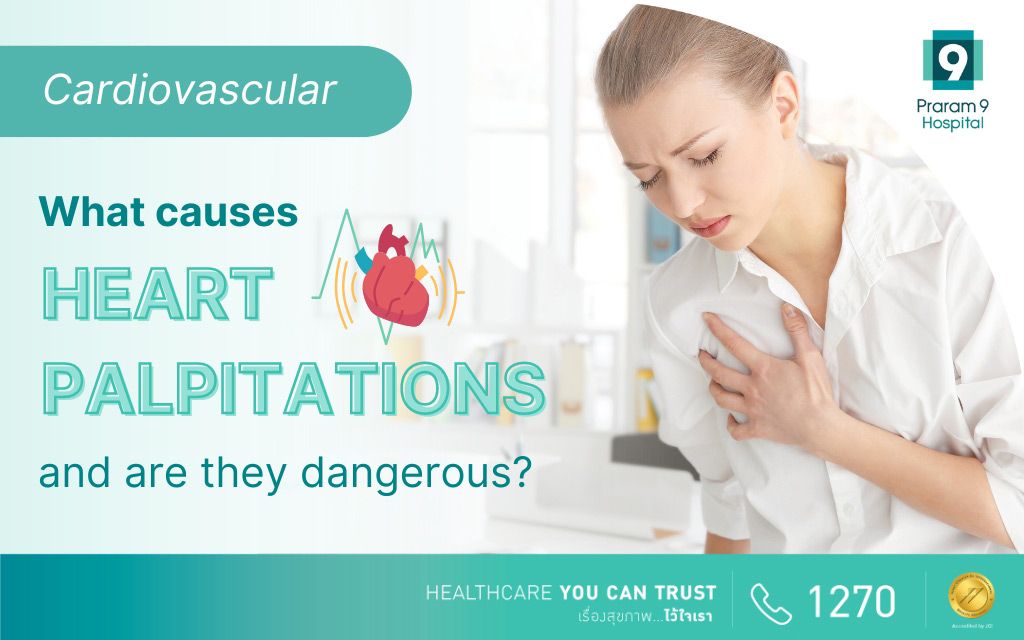
Explore the causes and management of heart palpitations. Learn about potential underlying conditions and when to seek medical attention. Contact us for cardiac evaluations and personalized heart health plans.
Table of contents
- Introduction
- What are Heart Palpitations?
- Common Causes of Heart Palpitations
- Symptoms of Heart Palpitations
- Symptoms Often Associated with Heart Palpitations
- When Should You Consult a Doctor About Heart Palpitations?
- Diagnosis of Heart Palpitations
- Treatment of Heart Palpitations
- Preventive Measures of Heart Palpitations
- Conclusion
Introduction
Heart palpitations can be alarming, causing anxiety and concern about potential heart problems. Understanding the causes, symptoms, and preventive measures for heart palpitations can help alleviate worries and improve heart health. This article provides detailed information on heart palpitations including their causes, and how to manage them.
What are Heart Palpitations?
Heart palpitations are sensations of a fast-beating, fluttering, or pounding heart. They can be felt in the chest, throat, or neck and may occur during activity or rest. While they are often harmless, palpitations can sometimes indicate a more serious heart condition.
Common Causes of Heart Palpitations
Heart palpitations can be caused by various factors, including:
- Emotional Stress: Anxiety, panic attacks, and excitement can trigger palpitations.
- Physical Activity: Intense exercise can cause the heart to beat faster.
- Stimulants: Caffeine, nicotine, alcohol, and certain medications can lead to palpitations.
- Hormonal Changes: Pregnancy, menopause, and thyroid issues can affect heart rate.
- Medical Conditions: Heart disease, arrhythmias, and other health conditions can cause palpitations.
Symptoms of Heart Palpitations
Common symptoms include:
- Fluttering in the Chest: A sensation of fluttering or a fast-beating heart.
- Pounding Heartbeat: Feeling your heart pounding in your chest, throat, or neck.
- Irregular Heartbeat: A heartbeat that feels irregular, skipping beats, or beating too fast.
Symptoms Often Associated with Heart Palpitations
Palpitations can cause a sensation of fluttering, a skipped heartbeat, or feeling like you’re falling. If these symptoms occur infrequently and are not accompanied by dizziness, fainting, or lightheadedness, they may not be dangerous. However, if the following symptoms occur alongside palpitations, the patient should immediately go to the hospital, or someone should take them to the hospital, as these symptoms can be life-threatening:
- Chest pain or discomfort
- Shortness of breath or severe difficulty breathing
- Severe dizziness
- Fainting or loss of consciousness
These symptoms indicate a potentially serious condition that requires prompt medical attention
When Should You Consult a Doctor About Heart Palpitations?
Palpitations can occur in people of all ages and can happen during rest, daily activities, exercise, or work. While often harmless, certain palpitations related to heart conditions require diagnosis and treatment. These conditions include:
- Arrhythmias: Irregular heartbeats
- Cardiomyopathy: Disease of the heart muscle
- Congenital Heart Disease: Heart defects present from birth
- Heart Attack: Sudden blockage of blood flow to the heart muscle
- Heart Failure: The heart’s inability to pump blood effectively
- Valve Heart Disease: Problems with the heart valves
Palpitations can arise from various causes, necessitating specific diagnostic methods to determine the type, duration, and severity of the palpitations. Therefore, if you are experiencing or suspect palpitations, it is advisable to consult a doctor for a thorough evaluation.
Diagnosis of Heart Palpitations
Medical History and Physical Examination
The process begins with taking the patient’s medical history and conducting a physical examination.
Blood and Urine Tests
Laboratory tests are conducted to check for underlying conditions that might cause palpitations.
Electrocardiography (ECG)
This test records the electrical activity of the heart to detect any abnormalities in the heart’s rhythm and structure.
Holter Monitoring
This involves attaching a portable device to the patient to continuously record the heart’s electrical activity for 24 or 48 hours. The patient can go about their daily life while wearing the monitor. It is suitable for patients who experience frequent or regular episodes of palpitations.
Event Recorder
A small, portable device used to record the heart’s electrical activity when symptoms occur. This is ideal for patients who experience infrequent or brief episodes of irregular heartbeats.
Electrophysiology Study
This test assesses the electrical signals within the heart to diagnose the cause and pinpoint the location of abnormal electrical activity. It involves inserting a catheter into the heart through a blood vessel in the groin.
Treatment of Heart Palpitations
The treatment of palpitations depends on the underlying cause. If the symptoms are not severe, specific treatment might not be necessary. Instead, monitoring the symptoms and avoiding certain triggers can be effective. These triggers include caffeine, alcohol, smoking, certain medications with stimulants, stress, anxiety, or particular activities. However, if the palpitations are caused by heart abnormalities or other medical conditions, the doctor might consider the following treatments:
Medications
To control the heart rate and rhythm.
Radiofrequency Catheter Ablation (RFCA)
A procedure that uses high-frequency electrical energy to destroy areas of the heart causing abnormal rhythms.
Permanent Pacemaker (PPM)
A device implanted to regulate the heartbeat.
Automatic Implantable Cardioverter/Defibrillator (AICD)
A device implanted to monitor and correct abnormal heart rhythms.
Cardiac Resynchronization Therapy/Defibrillator (CRT/CRTD)
A device implanted to help the heart beat more efficiently.
The treatment approach depends on the cause and severity of the patient’s condition, and it should be administered by a specialized cardiologist with expertise in cardiac electrophysiology.
Preventive Measures of Heart Palpitations
To reduce the risk of heart palpitations, consider the following tips:
- Manage Stress: Practice relaxation techniques such as yoga, meditation, and deep breathing exercises.
- Avoid Stimulants: Limit intake of caffeine, alcohol, and nicotine.
- Regular Exercise: Engage in regular physical activity to strengthen the heart.
- Healthy Diet: Eat a balanced diet rich in fruits, vegetables, whole grains, and lean proteins.
- Stay Hydrated: Drink plenty of water to maintain hydration.
- Regular Check-Ups: Visit your doctor for regular health check-ups and discuss any heart-related concerns.
Conclusion
Heart palpitations can be unsettling, but understanding their causes and how to prevent them can help manage this condition effectively. By maintaining a healthy lifestyle, managing stress, and seeking medical advice when necessary, you can keep your heart healthy and reduce the risk of palpitations.