Health Articles
Knowledge
Hemiplegia: What causes it, and can it be treated? Recommended care and rehabilitation methods.
NICHANAN EKPITAKDAMRONG,M.D.
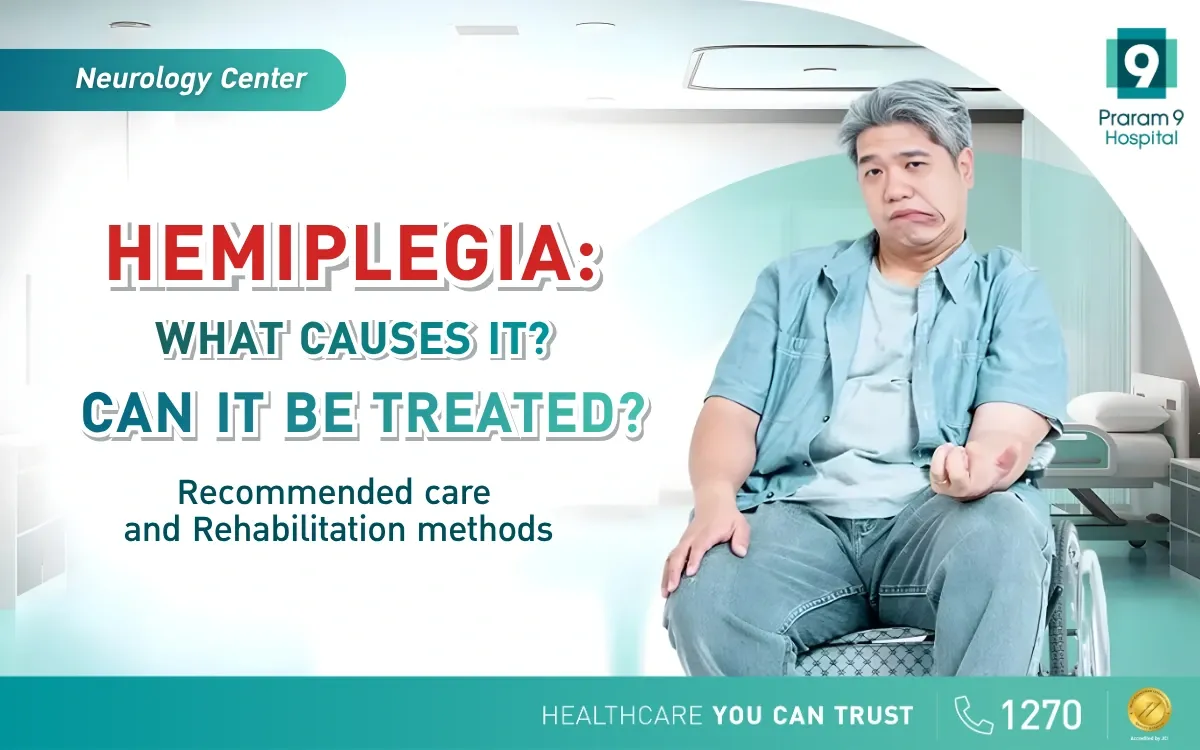
Hemiplegia and/or hemiparesis is not only a condition of physical weakness, but also severely affects the quality of life of patients in terms of daily living, work, and mental state. Many people may consider this condition to be distant and occurring only in the elderly, but in reality, it can also be found in adolescents and working-age individuals. It is considered a condition that should be given great importance.
This article will take you to understand what hemiplegia is, what causes it, and whether it can be cured, including appropriate rehabilitation care approaches so that you can be aware of the disease and respond correctly when unexpected events occur. The earlier it is recognized and treated, the more it helps reduce the risk of permanent disability.
Key Takeaways
- Hemiplegia is a condition in which one side of the body moves abnormally or cannot move at all. Most cases are caused by abnormalities of the brain, such as stroke (Stroke), brain tumor (Brain Tumor), or injury to the brain including the spinal cord.
- Timely treatment and consistent physical therapy help restore body function and increase the chance for patients to return to a life as close to normal as possible.
- Prevention of one-sided weakness can begin with daily health care, weight control, proper management of diabetes, blood pressure, and blood lipids, smoking cessation, and regular exercise.
Understanding hemiplegia: What is it?
Hemiplegia is a neurological condition that causes the muscles on one side of the body to be unable to move, become stiff, or have severe weakness to the point of complete paralysis. This condition results from damage to the central nervous system, namely the brain and spinal cord parts that control body movement. It often causes symptoms in the limbs on the same side and may include the facial muscles on that side as well.
How is hemiplegia different from hemiparesis?
Hemiparesis is a condition in which the muscles on one side of the body are partially weak. Patients can still move their limbs but with reduced strength.
Hemiplegia is a more severe condition, as the muscles completely lose control, making movement impossible.
What causes hemiparesis/hemiplegia?
Hemiparesis/hemiplegia is a condition caused by damage to the brain or spinal cord, which is often due to the following causes:
- Stroke (Stroke): This is the most common cause of hemiparesis/hemiplegia in both children and adults. It occurs when the blood vessels supplying the brain become blocked, narrowed, or ruptured, causing brain tissue to lack blood and oxygen until brain cells die.
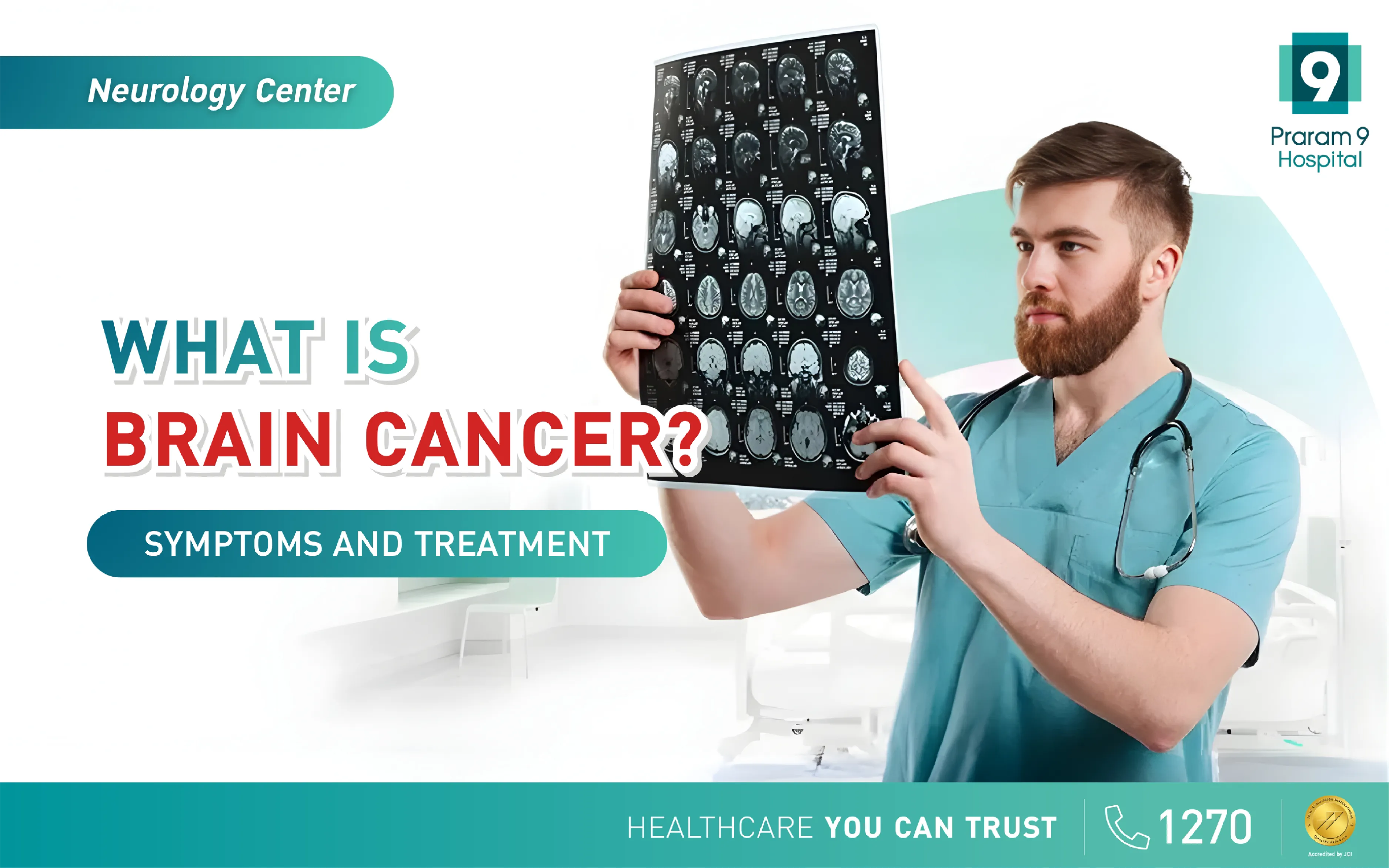
- Brain tumor (Brain Tumor): The growth of a brain tumor may compress and damage the part of the brain that controls movement, causing one-sided weakness.
- Head or spinal cord injury: Severe injury to the head or cervical spine from accidents such as car crashes, being struck by a hard object, or falling and hitting the head may cause hemiparesis/hemiplegia.
- Brain infection: Certain infections such as encephalitis or meningitis may cause inflammation in the brain, damaging brain cells and leading to hemiparesis/hemiplegia.
- Multiple sclerosis: Caused by the immune system damaging the myelin sheath in the central nervous system, leading to numbness or weakness and loss of balance.
In addition, there is a condition similar to hemiplegia that occurs on the face, called “facial hemiplegia” (Bell's Palsy), caused by inflammation of the seventh cranial nerve, resulting in drooping of one side of the mouth and incomplete eye closure on the same side.
Risk factors increasing the likelihood of hemiparesis/hemiplegia
In addition to the main causes from diseases, some factors may increase the risk of hemiparesis/hemiplegia as follows:
- Age: The risk of this condition increases with age.
- Underlying diseases: Chronic non-communicable diseases that are not properly controlled, such as diabetes, hypertension, and hyperlipidemia, are risk factors.
- Lifestyle: Smoking, excessive alcohol consumption, and lack of exercise all increase the risk of stroke.
- Stress: Long-term accumulated stress may affect overall health and increase the risk of cardiovascular disease.
- Heart disease: Patients with arrhythmia (Atrial Fibrillation) may develop blood clots in the heart chambers, leading to cerebral embolism.
How is hemiparesis/hemiplegia diagnosed?
Accurate diagnosis of hemiparesis/hemiplegia is very important for treatment planning. The physician will take medical history, perform an initial physical examination, and conduct additional investigations as follows:
History taking and neurological examination
The physician will take history and assess neurological function in detail, such as response to stimuli, sensation, muscle movement control, and balance ability.
Blood tests
Blood tests help physicians diagnose certain conditions that may cause hemiparesis/hemiplegia, such as blood sugar, blood lipids, infection, or blood clots.
Radiological examinations
- CT Scan (Computerized Tomography Scan): An examination using X-rays to create cross-sectional images of the brain, helping physicians detect abnormalities such as cerebral ischemia, intracranial hemorrhage, or brain tumors.
- MRI (Magnetic Resonance Imaging): An examination using magnetic waves to create detailed images of the brain and spinal cord, providing greater detail than CT Scan and improving diagnostic accuracy.
Treatment of hemiparesis/hemiplegia: restoring quality of life
Can hemiparesis/hemiplegia be cured? If patients receive proper and timely treatment, it will help them recover and return to a life as close to normal as possible. Treatment may require a combination of methods as follows:
- Physical therapy: Physical therapy for patients with limb weakness is the core of rehabilitation to restore body function close to normal. Patients will undergo muscle training to increase strength, practice movements such as sitting, standing, and walking, along with joint exercises to prevent stiffness, and training in daily activities such as bathing, brushing teeth, or dressing independently.
- CIMT (Constraint-Induced Movement Therapy): A rehabilitation technique that restricts the use of the normal limb to stimulate increased use of the weakened limb, promoting recovery of the nervous system.
- Speech and swallowing therapy: If patients have dysphagia or communication problems, occupational therapists or speech therapists will help train the muscles involved in speaking and swallowing to improve communication and ensure safe eating.
- Medication: Physicians prescribe medications according to the cause, such as thrombolytic drugs in ischemic stroke, blood pressure control in intracranial hemorrhage, or antibiotics in cases caused by infection.
- Surgery: In cases of brain tumors or intracranial hemorrhage, surgery may be necessary to remove the tumor or reduce pressure in the brain.
Rehabilitation care for patients with hemiparesis/hemiplegia to achieve near-normal living
Caring for patients with hemiplegia requires understanding and patience. Home rehabilitation together with medical treatment helps the patient recover more quickly.
- Patients should perform physical therapy regularly, according to the physiotherapist’s recommendations, to prevent muscle atrophy, prevent joint stiffness, and restore movement.
- Care for diet and nutrition; if the patient has difficulty swallowing, soft and appropriate food should be selected to prevent choking that may lead to secondary infection.
- Patients may feel discouraged, hopeless, or have depression. Providing encouragement and creating a positive environment will help patients have the motivation to rehabilitate themselves, and if there is severe depression, the medical team may consider consulting a psychiatrist for joint assessment and treatment.
- Arrange the home environment to be safe, free of obstacles, and install handrails in the bathroom to prevent falls, which may lead to recurrent injury.
How to prevent hemiparesis/hemiplegia
Risk can be reduced by following these recommendations:
- Control underlying diseases: People with diabetes, hypertension, and hyperlipidemia should maintain normal levels of blood sugar, lipids, and blood pressure.
- Behavior modification: Avoid smoking and alcohol consumption.
- Regular exercise: Regular exercise improves blood circulation and reduces the risk of stroke and cardiovascular disease.
- Healthy diet: Control sugar intake and reduce salty and fatty foods.
- Accident prevention: Drive carefully, wear seat belts or helmets at all times, and in the elderly, take precautions to prevent falls.
Hemiparesis/hemiplegia: a warning sign of a dangerous disease; early diagnosis and treatment reduce severity
Hemiplegia is a symptom indicating brain abnormalities that require urgent treatment. Observing abnormal symptoms such as numbness and/or weakness on one side, balance problems, or abnormal communication, and seeking early diagnosis increases the chance of recovery and reduces the risk of permanent disability.
If you or a family member has such symptoms, do not ignore them. Consult a physician for timely diagnosis and treatment. At the Neurology Center, Praram 9 Hospital, specialist physicians in neurology, together with experienced personnel, provide close care at every step, using modern equipment for more accurate diagnosis. There is also a rehabilitation medicine center and physical therapy unit to help patients return to a life as close to normal as possible.
For more information
Facebook : Praram 9 Hospital International & Expats
Line : @Praram9Hospital
Tel. 1270
Frequently asked questions about hemiplegia
1. What complications can hemiplegia cause?
Various complications may occur, such as pressure sores from prolonged lying, problems with excretion, respiratory and circulatory system problems. In addition, there may be a risk of post-stroke epilepsy (Post Stroke Epilepsy) and depression resulting from physical limitations (Post Stroke Depression).
References
Hemiplegia. (2022, July 23). Cleveland Clinic. https://my.clevelandclinic.org/health/symptoms/23542-hemiplegia
Yetman, D. (2020, January 27). Hemiplegia: Causes and Treatments for Partial Paralysis. Healthline. https://www.healthline.com/health/hemiplegia
Fletcher, J. (2022, October 6). Everything you should know about hemiplegia. Medical News Today. https://www.medicalnewstoday.com/articles/hemiplegia