Health Articles
Knowledge
How does balloon angioplasty treat coronary artery stenosis?
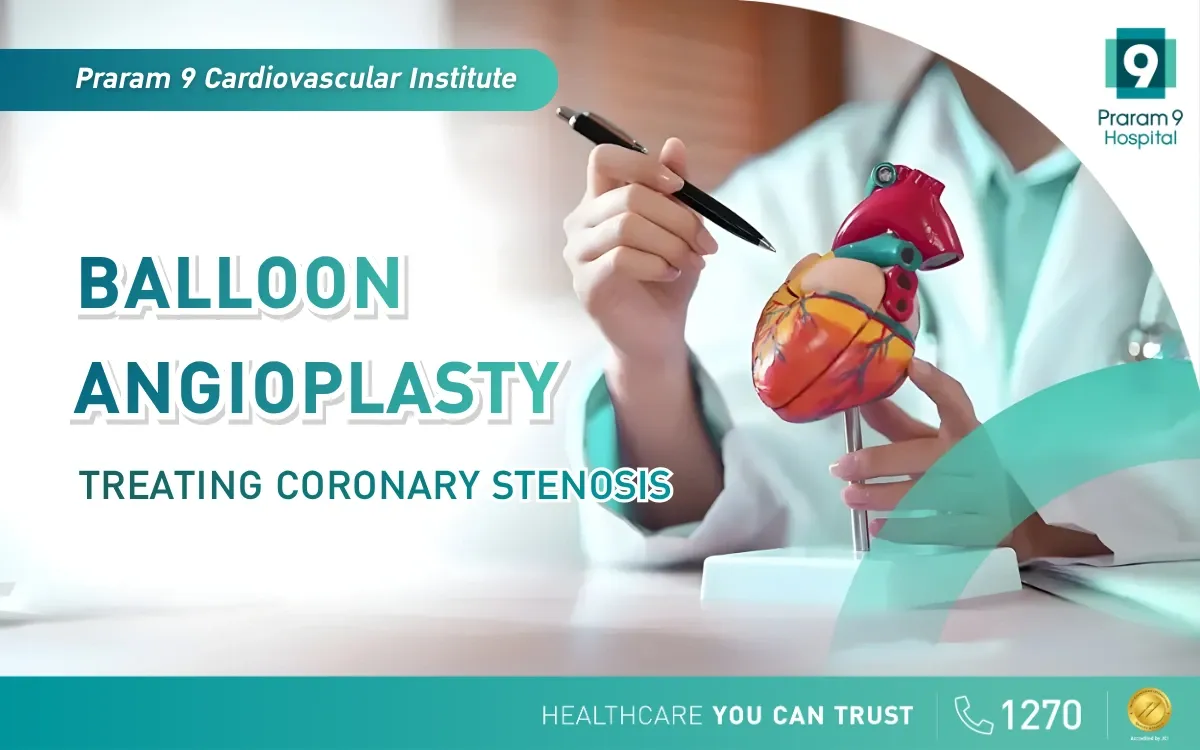
Coronary Artery Disease (CAD) is a condition in which fatty plaques accumulate on the arterial walls, obstructing blood flow, resulting in insufficient blood supply to the heart, which may lead to heart attack. Treatment with “balloon angioplasty (Percutaneous Coronary Intervention; PCI)” is an effective option that can correct narrowed arteries without open-heart surgery. Therefore, patients recover quickly and have low complications.
In this article, we will get to know balloon angioplasty, its processes, including advantages and precautions that patients should know, in order to make the treatment of coronary artery disease effective.
Key Takeaways
- Balloon angioplasty (PCI) is the use of a balloon to expand and press the fat attached to the arterial wall against the wall, which helps the narrowed artery to widen, allowing better blood flow without major surgery.
- Balloon angioplasty provides several benefits to patients, such as reducing chest pain, reducing the risk of myocardial ischemia, enabling quick recovery, and being a method with low side effects.
- After balloon angioplasty, patients should avoid foods that are harmful to the heart, perform light exercise, and control medication use as advised by the doctor to achieve the highest treatment effectiveness.
What is balloon angioplasty?
Balloon angioplasty (Balloon Angioplasty or Percutaneous Coronary Intervention; PCI) is one of the currently popular methods for treating coronary artery disease. It is a process that uses balloon technology to expand narrowed arteries so that blood can flow more to the heart muscle, thereby reducing chest pain and preventing myocardial ischemia at the same time.
Balloon angioplasty is used when the coronary arteries are narrowed or blocked but not yet at the stage requiring bypass surgery, as this method is safer and allows faster recovery.
Difference between balloon angioplasty and bypass surgery (CABG)
Balloon angioplasty and coronary artery bypass surgery (CABG) have the same goal of treating coronary artery disease, but differ in methods and recovery time as follows:
- Balloon angioplasty: It expands the narrowed artery using a balloon, without opening the chest, and is usually used in cases where there are 1–2 narrowed points.
- Bypass surgery (CABG): It is a surgery to create a new pathway for blood flow by using blood vessels from other parts of the body to create a new route to bypass the narrowed section of the original artery. This surgery requires opening the chest, so it takes longer recovery time and is suitable for patients with multiple narrowed coronary arteries, patients with valvular regurgitation, or arrhythmia.
Why is balloon angioplasty necessary?
Balloon angioplasty helps open the pathway for blood to flow more easily, reducing the risk caused by poor blood circulation due to coronary artery stenosis, such as myocardial infarction, myocardial ischemia, or heart failure. Balloon angioplasty can relieve chest pain immediately without major surgery, allowing patients to recover quickly and effectively reducing the risk of complications. In addition, it is a method that can be repeated multiple times. If coronary artery stenosis recurs, balloon angioplasty can be performed again immediately.
Advantages of balloon angioplasty
Balloon angioplasty provides the following benefits to patients:
- Reduction of chest pain: Expanding the artery allows blood to supply the heart muscle better, resulting in reduced or resolved chest tightness from myocardial ischemia.
- Improved blood circulation: Balloon angioplasty increases blood flow in narrowed coronary arteries, allowing the heart muscle to receive sufficient oxygen and nutrients.
- Reduced risk of heart failure: Treatment with balloon angioplasty can reduce the risk of heart failure caused by lack of blood supply to the heart muscle.
- Fast recovery: Balloon angioplasty does not require opening the chest, resulting in faster recovery compared to bypass surgery.
What are the indications for balloon angioplasty?
Treatment of coronary artery disease with balloon angioplasty has the following indications:
1. Chronic chest pain not controlled by medication
If a patient has chronic chest pain from coronary artery disease and cannot be controlled by medication and lifestyle modification, balloon angioplasty may help relieve symptoms.
2.Unstable angina or partial myocardial infarction (NSTEMI)
Patients with frequent and severe chest pain or partial myocardial ischemia—balloon angioplasty helps reduce the risk of heart attack.
3.Acute myocardial infarction (STEMI)
In patients with acute myocardial infarction (STEMI), balloon angioplasty is the standard treatment if performed within the appropriate time (within 90 minutes after symptom onset), which helps open the blocked artery and reduce damage to the heart muscle.
4. Left Main Coronary Artery Disease
The left main coronary artery supplies blood to most of the heart. If there is severe narrowing and bypass surgery cannot be performed, balloon angioplasty helps increase blood flow and reduce the risk of heart failure.
5. Severe coronary artery disease in high-risk patients
In cases where patients have severe coronary artery disease and are at high risk for bypass surgery, balloon angioplasty may be considered instead.
6. Unable to undergo bypass surgery
If a patient is suitable for bypass surgery but cannot undergo surgery due to health conditions that are not suitable, balloon angioplasty is an alternative treatment.
7. Coronary artery stenosis causing abnormal heart function
If coronary artery stenosis affects heart function, balloon angioplasty may improve blood flow and enhance heart performance.
8. High risk of future myocardial ischemia
If a patient has severe myocardial ischemia and is at risk of future heart attack, balloon angioplasty helps reduce risk and improve blood flow.
9. Previous bypass surgery or balloon angioplasty with problems or failure
Doctors may consider balloon angioplasty in patients who previously underwent bypass surgery or balloon angioplasty but still have recurrent stenosis or ineffective prior treatment.
The factors that doctors consider for balloon angioplasty depend on the patient’s overall health and the benefits compared with potential risks.
How to prepare before balloon angioplasty?
Before undergoing coronary balloon angioplasty, doctors will provide recommendations for preparation as follows:
- Stop certain medications such as anticoagulants or antiplatelet drugs 5–7 days before the procedure.
- Avoid food and drinks for 6–8 hours before treatment.
- Patients must undergo blood tests to assess kidney function, as contrast dye used in balloon angioplasty may be harmful to the kidneys.
- If there are previous results of blood tests, electrocardiogram, or others within 1 month, they should be brought for the doctor to review.
Procedure of balloon angioplasty and stent placement
Balloon angioplasty involves the following procedural steps:
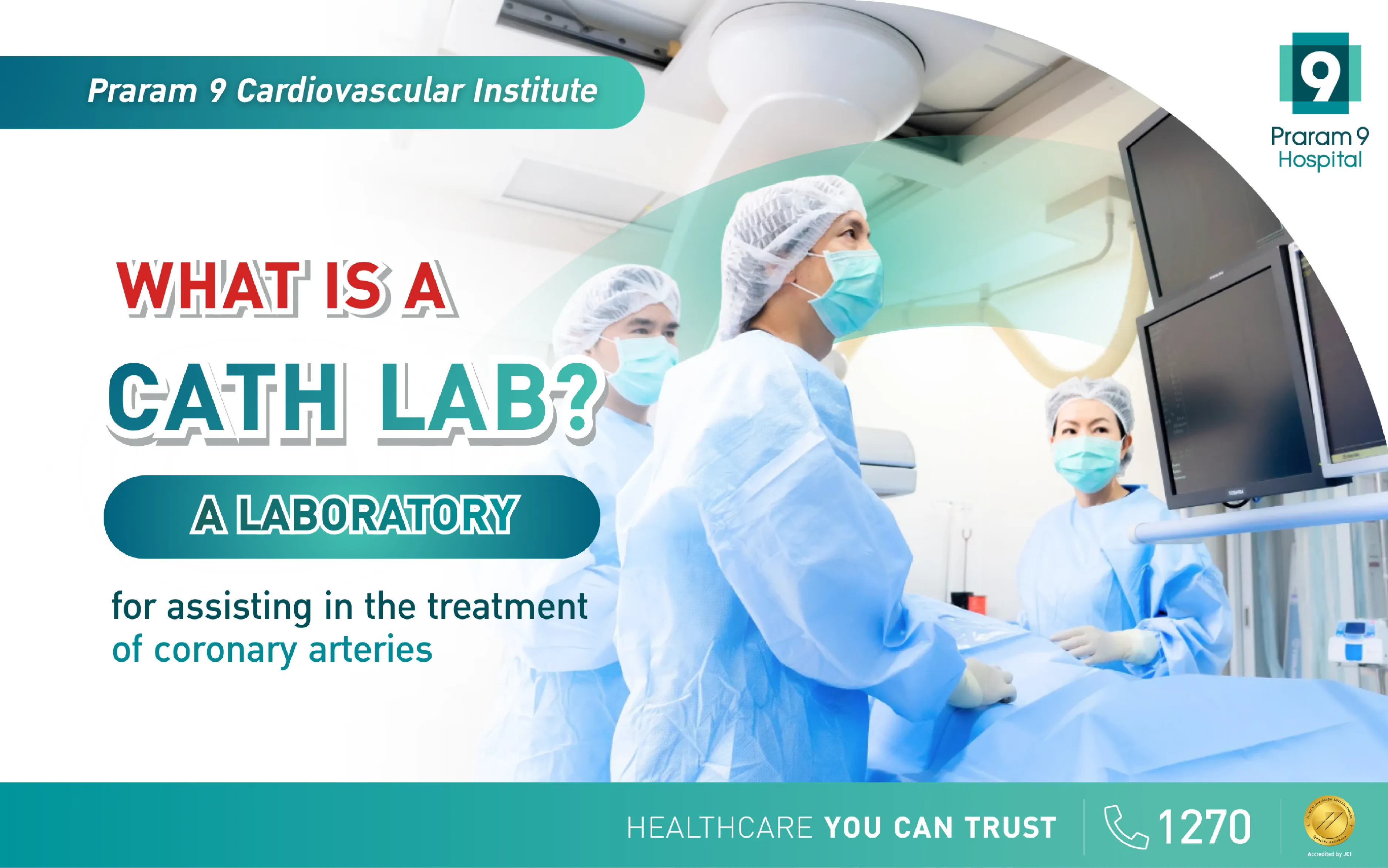
- Catheter insertion: After entering the catheterization laboratory, the doctor injects contrast dye and inserts a balloon catheter into the blood vessel through the wrist or groin, guiding it to the narrowed coronary artery. During insertion, X-ray imaging (Fluoroscopy) is used to clearly visualize the catheter position.
- Artery expansion: When the balloon catheter reaches the narrowed area, the doctor inflates the balloon to enlarge it, expanding the narrowed artery and improving blood flow.
- Stent placement: If necessary, or to prevent restenosis, the doctor may place a stent, which is a synthetic medical metal device that does not react with the body, at the expanded area. The stent is deployed after balloon expansion is completed.
After the balloon angioplasty is completed, the doctor removes the catheter and stops bleeding by applying a plaster and compressing the wound for about 15 minutes or until bleeding stops, without suturing. For patients with wrist access, a wristband (TR Band) is used for hemostasis.
How to take care of yourself after balloon angioplasty?
Self-care after balloon angioplasty is important for fast recovery, allowing return to work and daily activities fully. Patients should follow these recommendations:
- Lie flat: After the procedure, patients are instructed to lie flat. For groin access, patients cannot bend the groin for about 6–10 hours. For wrist access, recovery takes about 4–8 hours, and a wristband must be worn, but patients can sit or stand normally.
- Drink plenty of water: If there are no restrictions, patients should drink plenty of water to help eliminate contrast dye from the body.
- Wound care: Avoid getting the wound wet for about 3 days. If the wound gets wet, clean it with Betadine.
- Medication adherence: Patients must strictly take prescribed medications, such as antiplatelet drugs, to reduce the risk of blood clots.
- Diet modification: Avoid high-fat and salty foods to reduce the risk of heart disease.
- Gradual exercise: Engage in light and regular exercise to improve heart health.
- Weight control: Maintaining appropriate body weight helps reduce the risk of cardiovascular disease.
- Smoking cessation: Smoking is a major risk factor causing arterial hardening and narrowing. Therefore, quitting smoking is very important, as continuing may cause restenosis or narrowing in other areas.
Risks and complications of balloon angioplasty
Although balloon angioplasty is relatively safe, there are still some risks:
- Blood clot formation: After the procedure, clots may form at the treated site, potentially leading to heart attack or stroke.
- Restenosis: Even after expansion, there is a chance that the artery may narrow again.
- Bleeding: Catheter insertion may cause vessel perforation and bleeding in some cases.
- Complications from stent placement: In some cases, infection may occur or the stent may not fully expand.
- Effects of contrast dye: The use of contrast dye may cause shock in patients with allergy and may cause acute kidney failure due to kidney damage.
However, before treatment with balloon angioplasty, doctors will perform thorough physical examinations and blood tests, including consideration of various risks, to plan treatment safely and minimize side effects.
Safe balloon angioplasty at Praram 9 Hospital
Balloon angioplasty or PCI is a modern and effective method for treating coronary artery stenosis. It helps improve blood flow, reduce chest pain, and decrease the risk of heart attack. Balloon angioplasty is performed by inserting a catheter through blood vessels without large incisions like major surgery, allowing faster recovery. However, patients still need to take care of their health, exercise regularly, eat a healthy diet, and reduce risk factors to maintain long-term heart health.
Praram 9 Cardiovascular Institute is ready to provide comprehensive cardiovascular services 24 hours a day, allowing patients to receive timely and safe treatment and effectively reduce the risk of complications from delayed treatment.
For more information
- Facebook: Praram 9 Hospital International & Expats
- Line: @Praram9Hospital
- Tel. 1270
Frequently Asked Questions about balloon angioplasty
1. Who is suitable for balloon angioplasty?
- Patients with narrowing of no more than two coronary arteries or non-complex stenosis
- Patients with chest pain from coronary artery stenosis
- Patients with one or two narrowed points
- Patients who cannot undergo bypass surgery due to unsuitable physical condition
2. How many days of recovery are required after balloon angioplasty?
After leaving the catheterization laboratory, patients undergoing balloon angioplasty must stay in the hospital for about 1–2 days. If there are no complications, they can return home to recover, and doctors usually recommend continuing recovery for about 1 week before returning to normal life.
References
Percutaneous Coronary Intervention. (2021, November 6). Cleveland Clinic. https://my.clevelandclinic.org/health/treatments/22066-percutaneous-coronary-intervention
Ahmad M, Mehta P, Reddivari AKR, et al. Percutaneous Coronary Intervention. [Updated 2023 Jun 5]. In: StatPearls [Internet]. Treasure Island (FL): StatPearls Publishing; 2025 Jan-. Available from: https://www.ncbi.nlm.nih.gov/books/NBK556123/
Coronary angioplasty and stent insertion. (2022, October 4). NHS. https://www.nhs.uk/tests-and-treatments/coronary-angioplasty/