Health Articles
Knowledge
Understanding and Preventing Diabetic Eye Complications
SIRIPONG SINPRAJAKPHON,M.D.
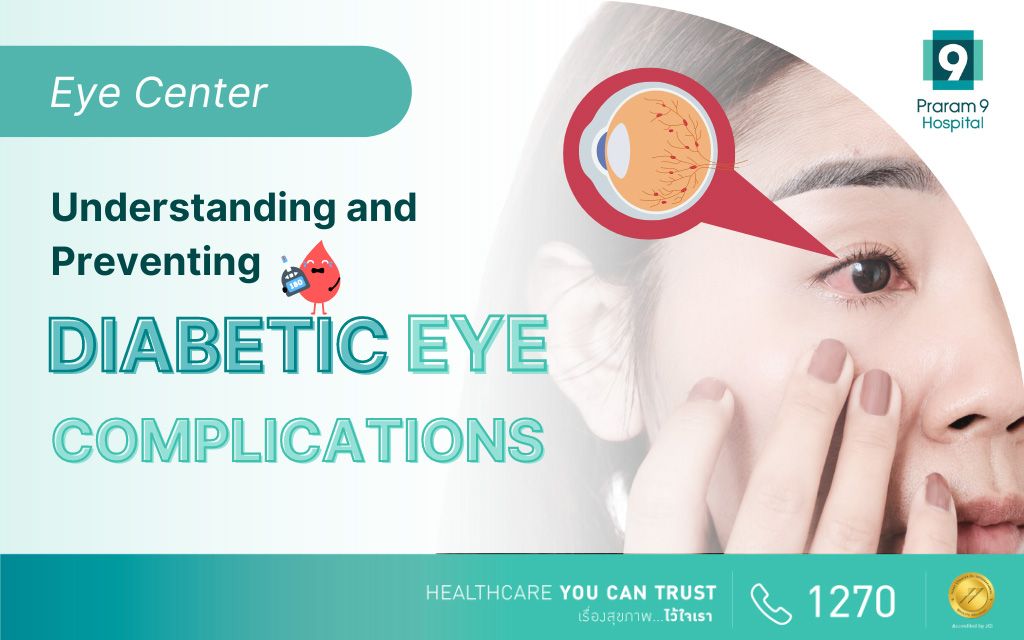
Learn about diabetic eye complications and how to manage them. Discover preventive measures and treatment options to safeguard your vision. Contact us for comprehensive eye care and diabetic eye screenings.
Table of content
- Introduction
- What are Diabetic Eye Complications?
- Common Diabetic Eye Conditions
- Preventive Measures
- Early Detection and Treatment
- Conclusion
Introduction
Diabetes is becoming a significant health concern in Thailand, affecting millions of people. Among the many complications that diabetes can cause, eye issues are especially severe, potentially resulting in blindness. This article aims to provide comprehensive information on diabetic eye complications, their prevention, and the importance of early detection and treatment.
What are Diabetic Eye Complications?
Diabetic eye complications, also known as diabetic retinopathy, occur when high blood sugar levels cause damage to the blood vessels in the retina. If left untreated,this condition can lead to severe vision problems and even blindness. Other eye conditions associated with diabetes include glaucoma, cataracts, retinal detachment, and eye infections.
Common Diabetic Eye Conditions
Diabetic Retinopathy
The most common diabetic eye disease progresses through stages and can lead to severe vision loss.
Glaucoma
Diabetes increases the risk of glaucoma, a group of eye conditions that damage the optic nerve.
Cataracts
Diabetic patients are more likely to develop cataracts at a younger age compared to those without diabetes.
Retinal Detachment
Elevated blood sugar levels can induce changes in the retina, leading to detachment and significant vision impairment.
Eye Infections
Diabetes can weaken the immune system, increasing the susceptibility of the eyes to infections.
Preventive Measures
Early detection and management are key to preventing diabetic eye complications. Here are some steps to help maintain eye health:
Control Blood Sugar Levels
Maintaining blood sugar levels within the target range is crucial. Regular monitoring and following a healthy diet can aid in achieving this goal.
Regular Eye Exams
Annual comprehensive eye exams can detect early signs of eye disease. It’s recommended that individuals with diabetes should have their eyes checked at least once a year.
Manage Blood Pressure and Cholesterol
High blood pressure and cholesterol can exacerbate eye problems. Regular check-ups and medications can help manage these conditions.
Quit Smoking
Smoking can increase the risk of diabetes-related complications, including eye problems.
Exercise Regularly
Regular physical activity helps to control blood sugar levels and reduces the risk of complications.
Early Detection and Treatment
If detected early, many diabetic eye conditions can be managed effectively. Treatment options may include:
Laser Surgery
Used to shrink abnormal blood vessels and reduce swelling in the retina.
Vitrectomy
A surgical procedure to remove blood or scar tissue from the vitreous gel in the eye.
Medications
Anti-VEGF injections can help reduce swelling and slow the growth of abnormal blood vessels.
Conclusion
Diabetic eye complications are a serious concern, but with proper management and regular eye exams, the risk of severe vision loss can be significantly reduced. Controlling blood sugar levels, managing blood pressure and cholesterol, and leading a healthy lifestyle are essential steps for individuals with diabetes to protect their eyesight and maintain their quality of life.