News & Events
news & event
“Every Second Counts for the Brain”: Praram 9 Hospital Highlights Stroke Fast Track to Improve Survival and Reduce Disability
Post Date 29/10/2026
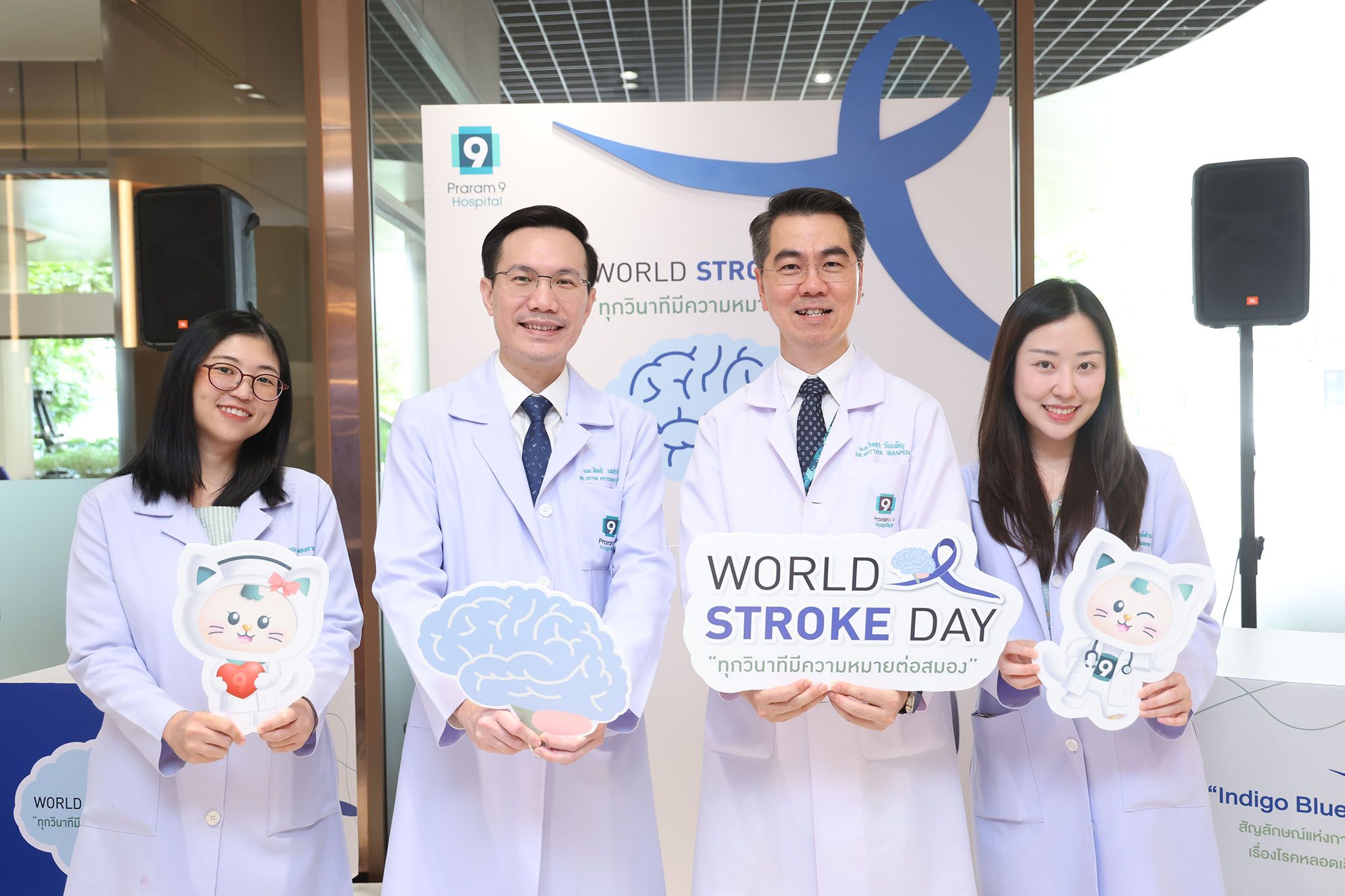
Bangkok, Thailand – 29 October 2026 – Stroke remains one of the leading causes of death and disability in Thailand, with reports indicating a 100% increase in stroke-related deaths between 2022 and 2023. An increasing number of cases have also been observed among working-age adults, particularly those aged 30–40. With an estimated stroke mortality rate of approximately 100 deaths per 100,000 people, these figures highlight the importance of prevention, early detection, and timely access to medical treatment. Even a delay of just a few minutes can increase the risk of permanent disability and death.
Sitthi Petchrutchatachart, M.D., Head of the Neurology Center at Praram 9 Hospital, explained that stroke occurs when blood vessels supplying the brain become narrowed, blocked, or ruptured, disrupting blood and oxygen supply to the brain or causing bleeding within the brain. This can lead to rapid damage to brain cells. Medical estimates suggest that patients with untreated large-vessel ischemic stroke may lose approximately 1.9 million neurons every minute.
This underscores the importance of the message “Every Second Counts for the Brain,” as receiving treatment as early as possible can help minimize brain damage, reduce the risk of disability, and improve the chances of recovery.
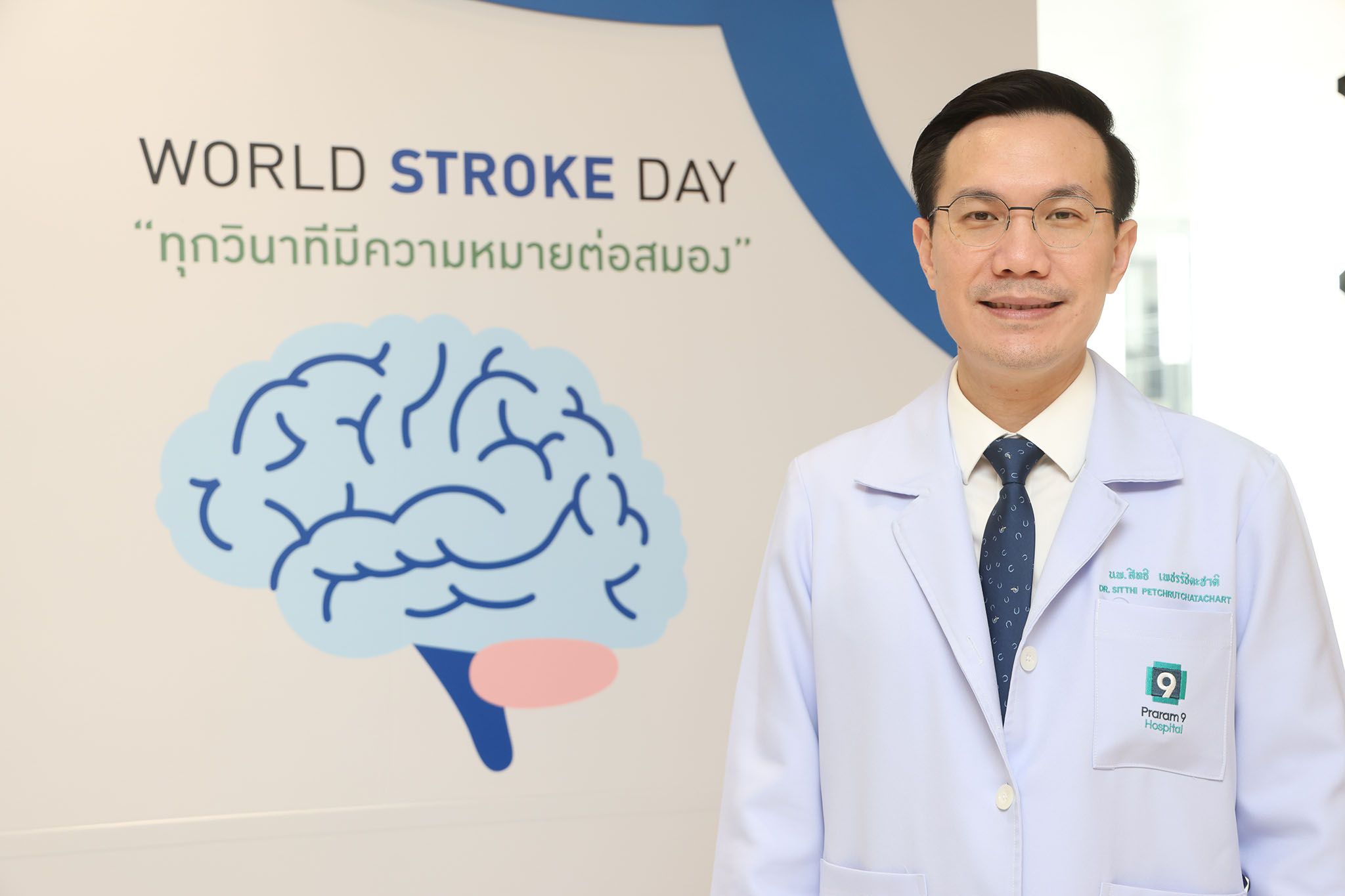
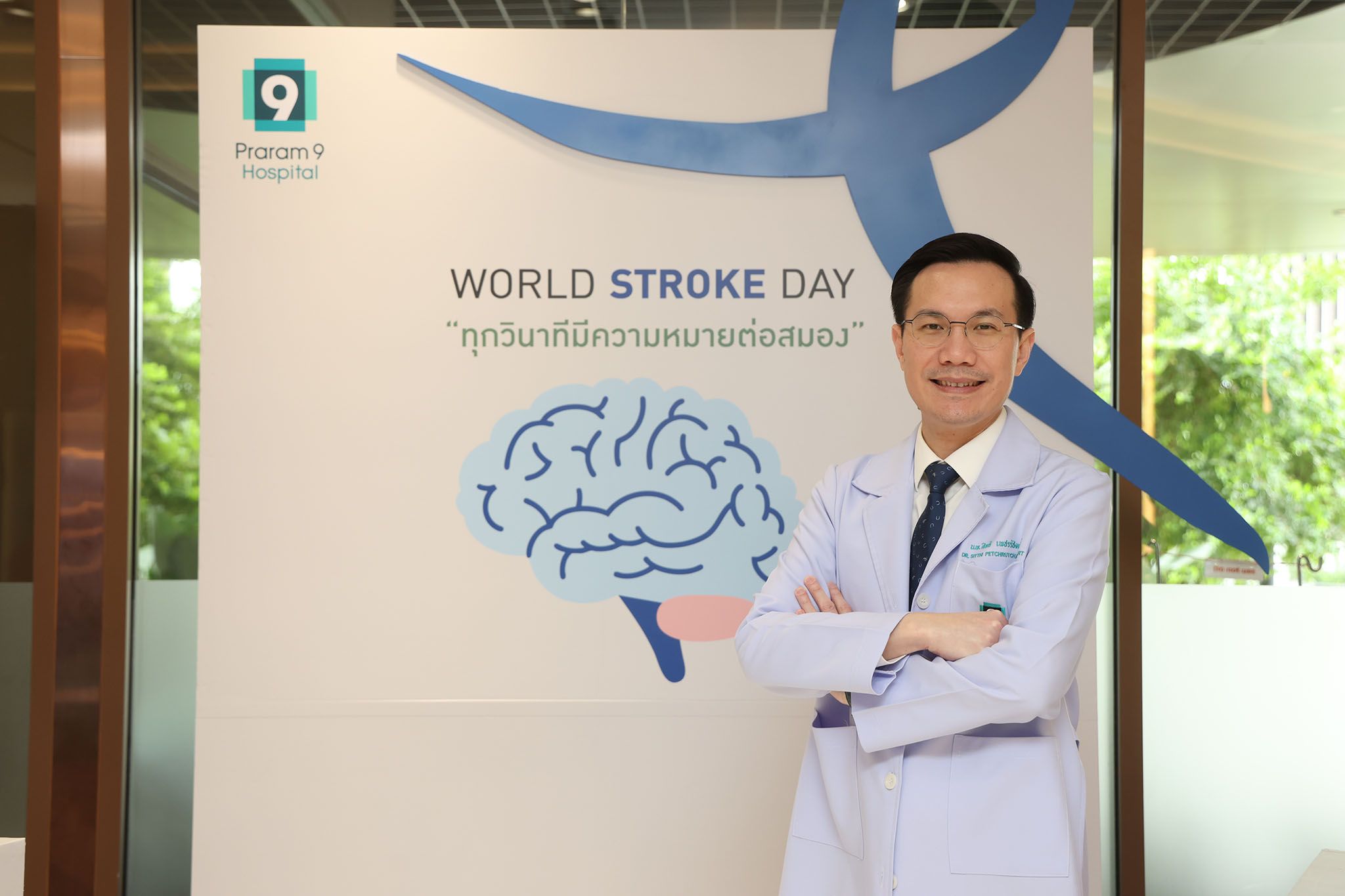
Recognizing the critical importance of timely intervention, Praram 9 Hospital has implemented its Stroke Fast Track system, providing comprehensive stroke care from diagnosis and acute treatment to rehabilitation. The system is designed to accelerate patient assessment, reduce delays at critical stages of care, and improve opportunities for recovery.
“Stroke Fast Track is an emergency care pathway that enables rapid screening, clinical assessment, brain imaging, and selection of appropriate treatment. At Praram 9 Hospital, advanced technologies such as Magnetic Resonance Imaging (MRI) help physicians evaluate brain tissue, while Biplane Digital Subtraction Angiography (Biplane DSA) provides detailed visualization of blood vessels and supports catheter-based interventions, particularly mechanical thrombectomy for eligible patients,” Dr. Sitthi explained.
Understanding Stroke and Available Treatment Options
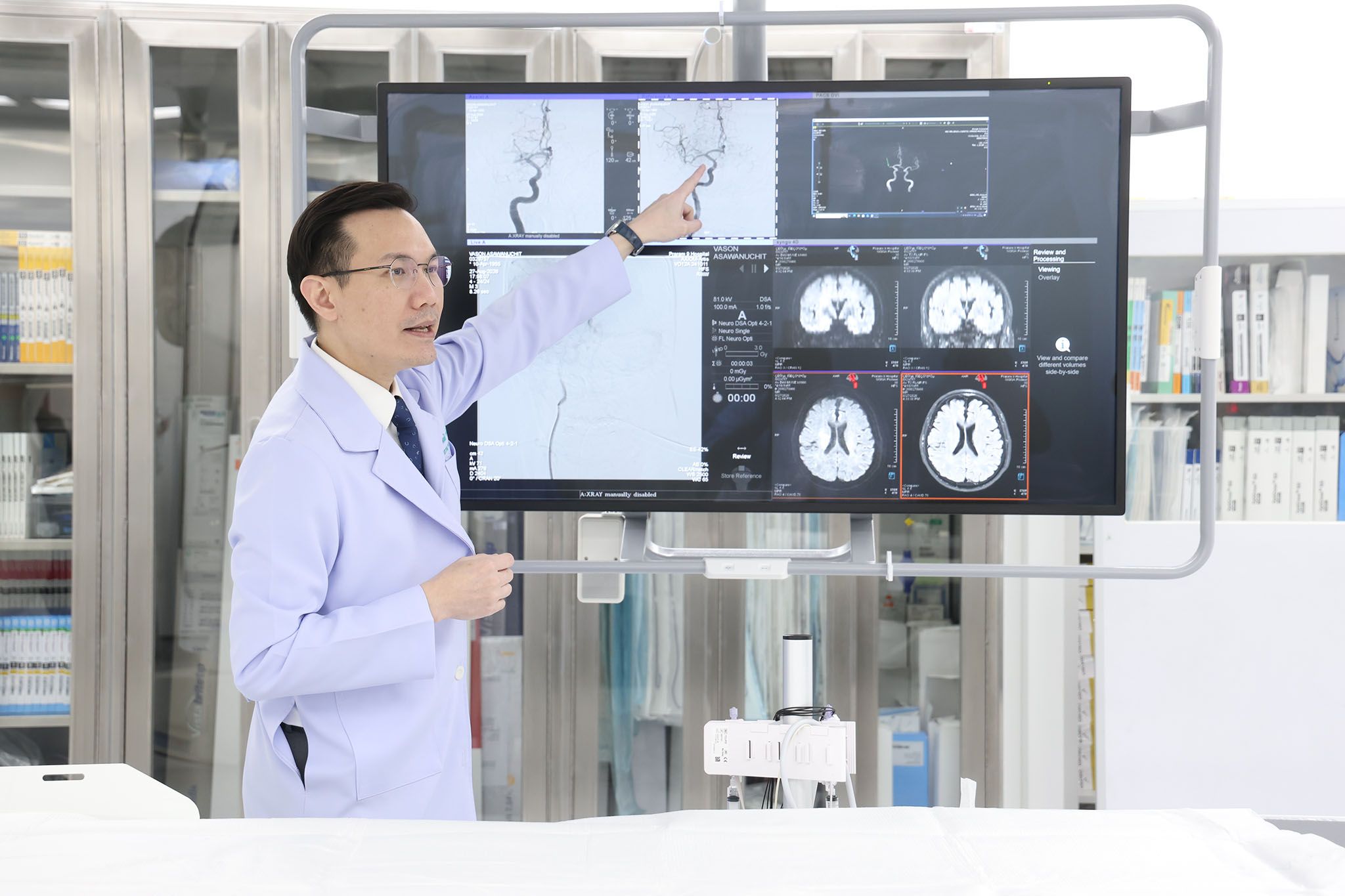
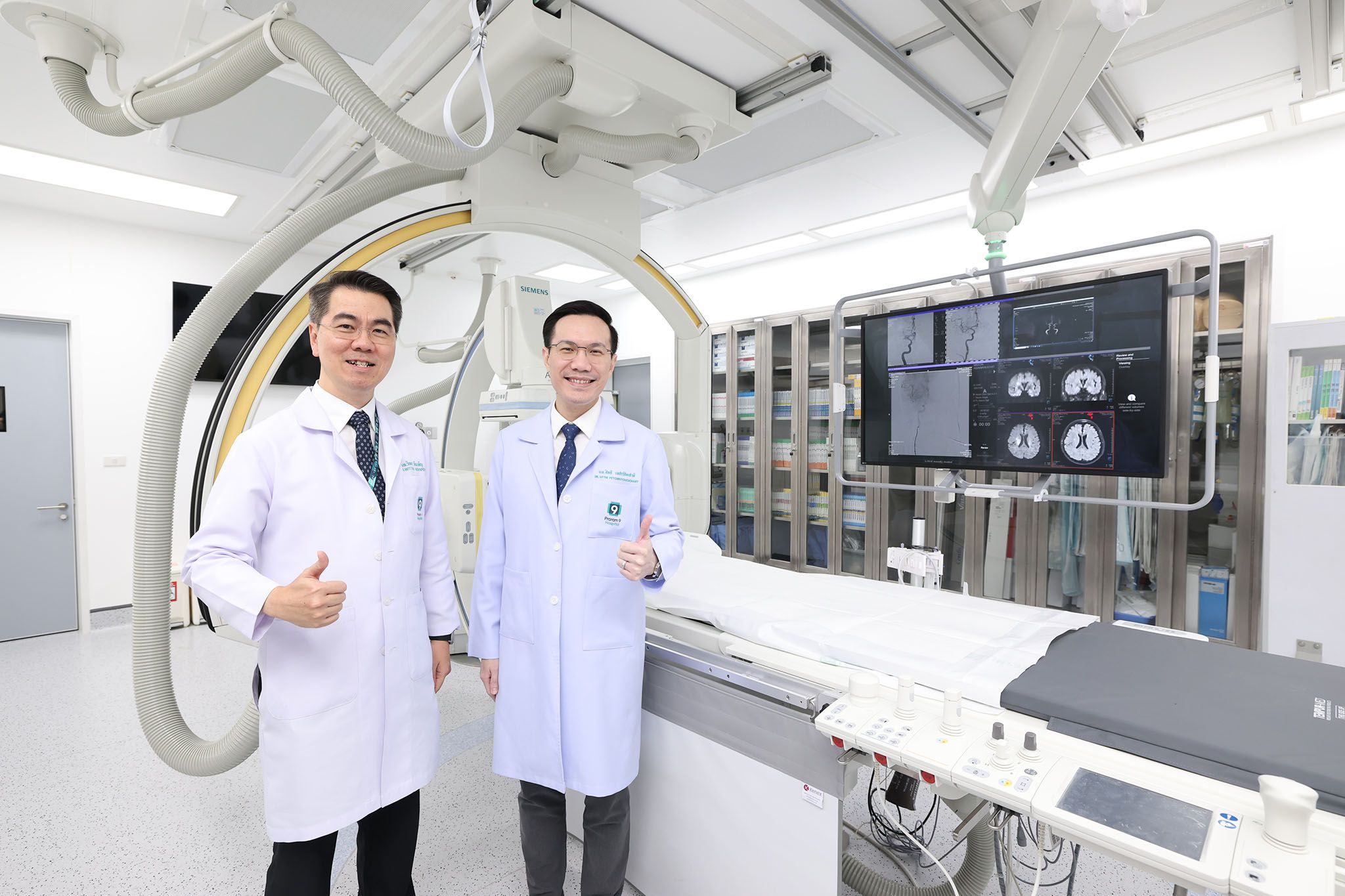
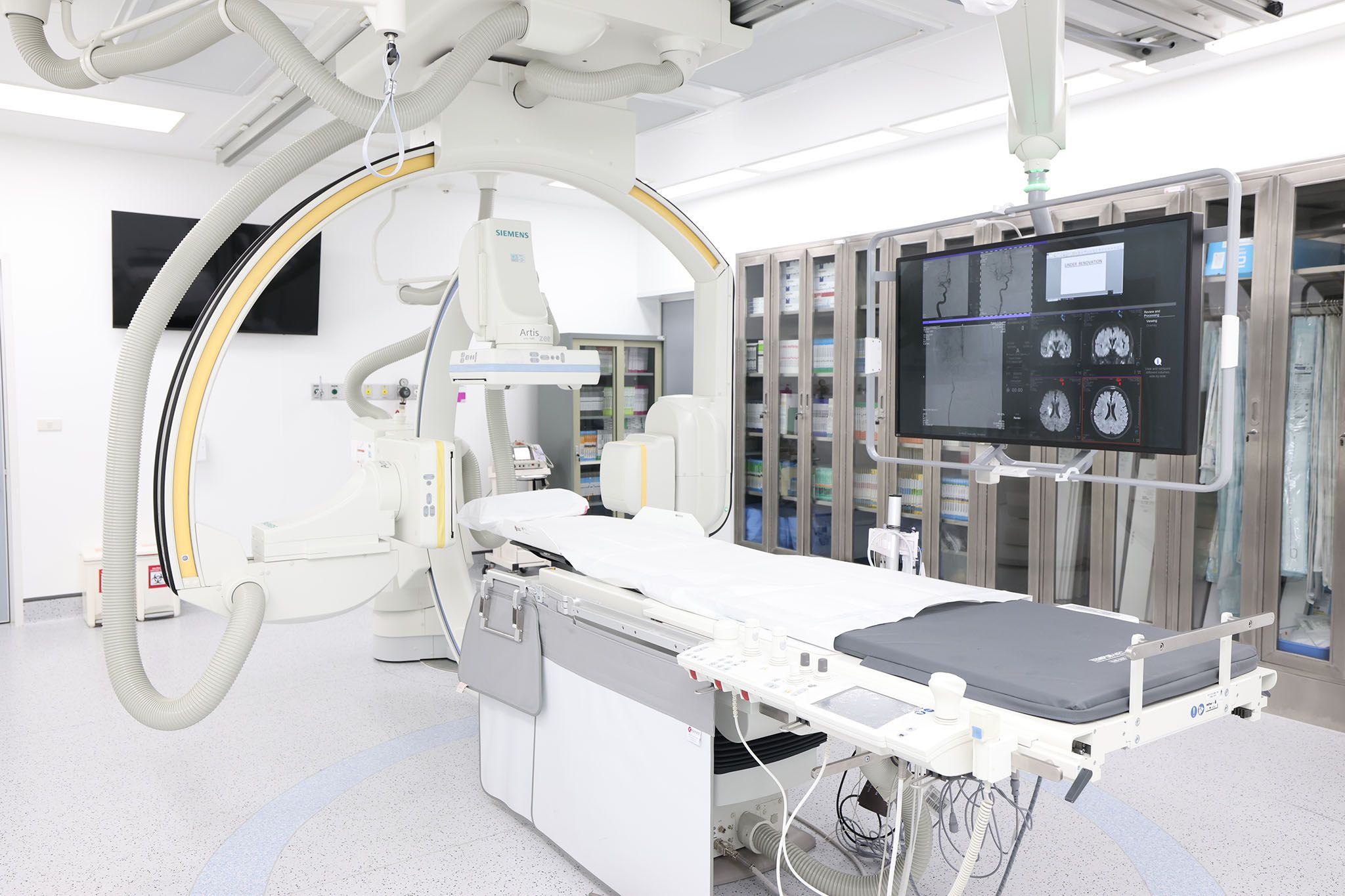
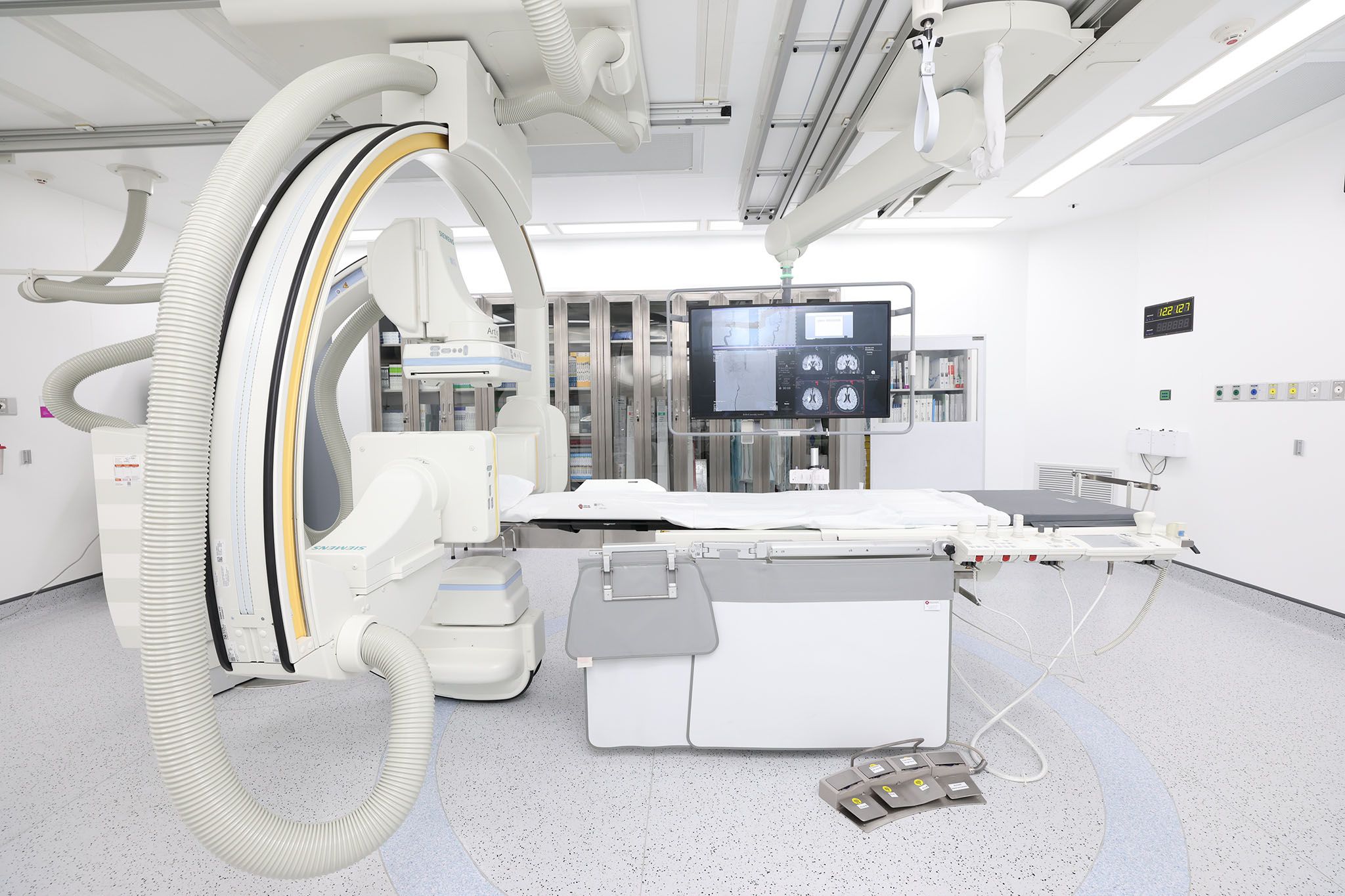
Dr. Sitthi further explained that strokes are generally classified into two main types: ischemic stroke, caused by narrowed or blocked blood vessels and accounting for approximately 80% of cases, and hemorrhagic stroke, caused by bleeding in the brain and accounting for approximately 20% of cases.
Treatment approaches differ depending on the type of stroke. For hemorrhagic stroke, physicians may consider blood pressure management, close monitoring, or surgical intervention based on the patient's condition and clinical indications.
For ischemic stroke, important treatment options include intravenous thrombolytic therapy, which is generally administered within 4.5 hours of symptom onset in eligible patients, and mechanical thrombectomy, a minimally invasive catheter-based procedure used to remove blood clots from blocked large cerebral arteries and restore blood flow to the brain as quickly as possible.
Advances in brain imaging technology now enable physicians to identify brain tissue that may still be salvageable, allowing selected patients to be considered for treatment beyond conventional time windows. In particular, mechanical thrombectomy may be considered up to 24 hours from the time the patient was last known to be well, depending on brain imaging findings and medical eligibility.
However, Dr. Sitthi emphasized that patients should never delay seeking medical attention in anticipation of these extended treatment windows. Immediate hospital assessment remains essential to maximizing treatment opportunities and minimizing brain damage.
Recognizing Stroke Risk Factors and Warning Signs
Major risk factors for stroke include high blood pressure, diabetes, high cholesterol, irregular heart rhythms, and smoking. Lifestyle factors such as physical inactivity and diets high in fat and sodium may also contribute to stroke risk. Medical evidence has additionally linked exposure to fine particulate matter (PM2.5) with an increased risk of stroke.
The public is encouraged to recognize stroke warning signs using the BEFAST principle:
- B – Balance: Sudden loss of balance or coordination.
- E – Eyes: Sudden vision problems or changes in eyesight.
- F – Face: Facial drooping or an uneven smile.
- A – Arm: Sudden weakness in an arm or leg.
- S – Speech: Slurred speech or difficulty speaking.
- T – Time: Call 1669 immediately and record the time
symptoms began or the last time the person was known to be well.
Not all warning signs need to be present. Anyone experiencing even one of these symptoms should seek emergency medical attention immediately.
Some patients may experience neurological symptoms that disappear within minutes. This may indicate a Transient Ischemic Attack (TIA), commonly known as a mini-stroke, which can serve as an early warning sign of a future stroke. The risk of a subsequent stroke is particularly significant within the first 24–48 hours following a TIA. Therefore, immediate medical evaluation is essential, even if symptoms have completely resolved.
Praram 9 Hospital Raises Stroke Awareness on World Stroke Day 2026
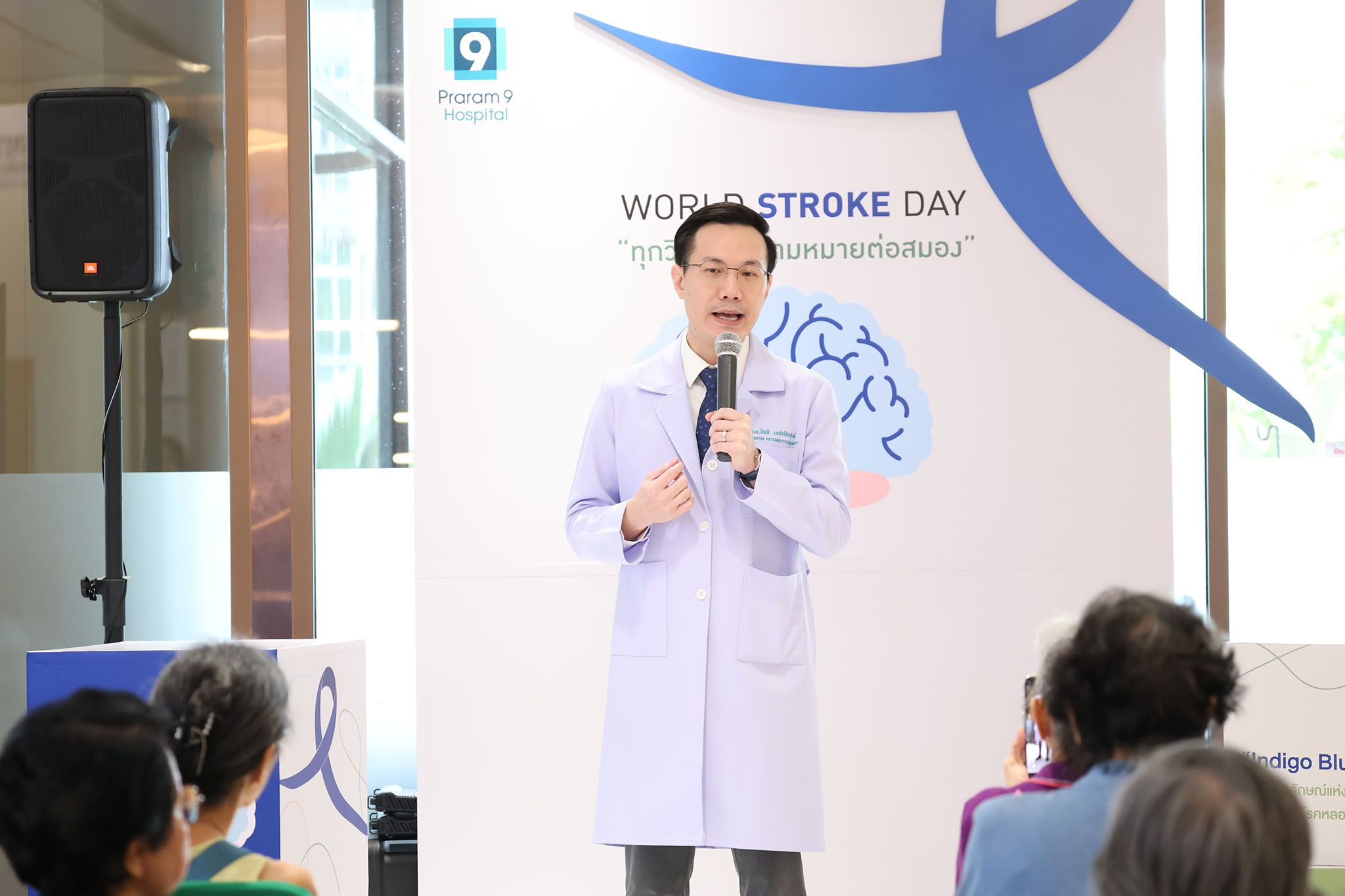
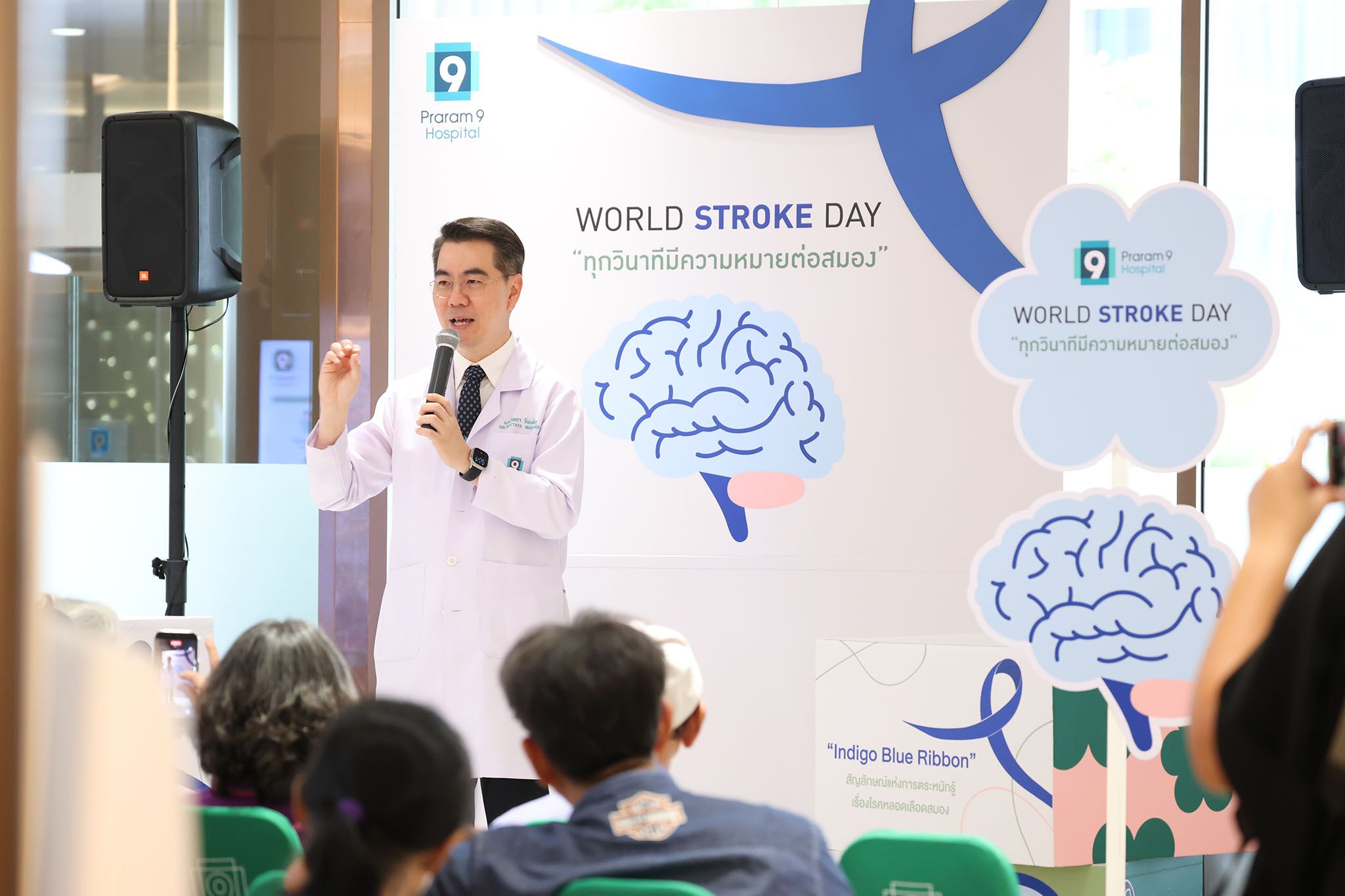
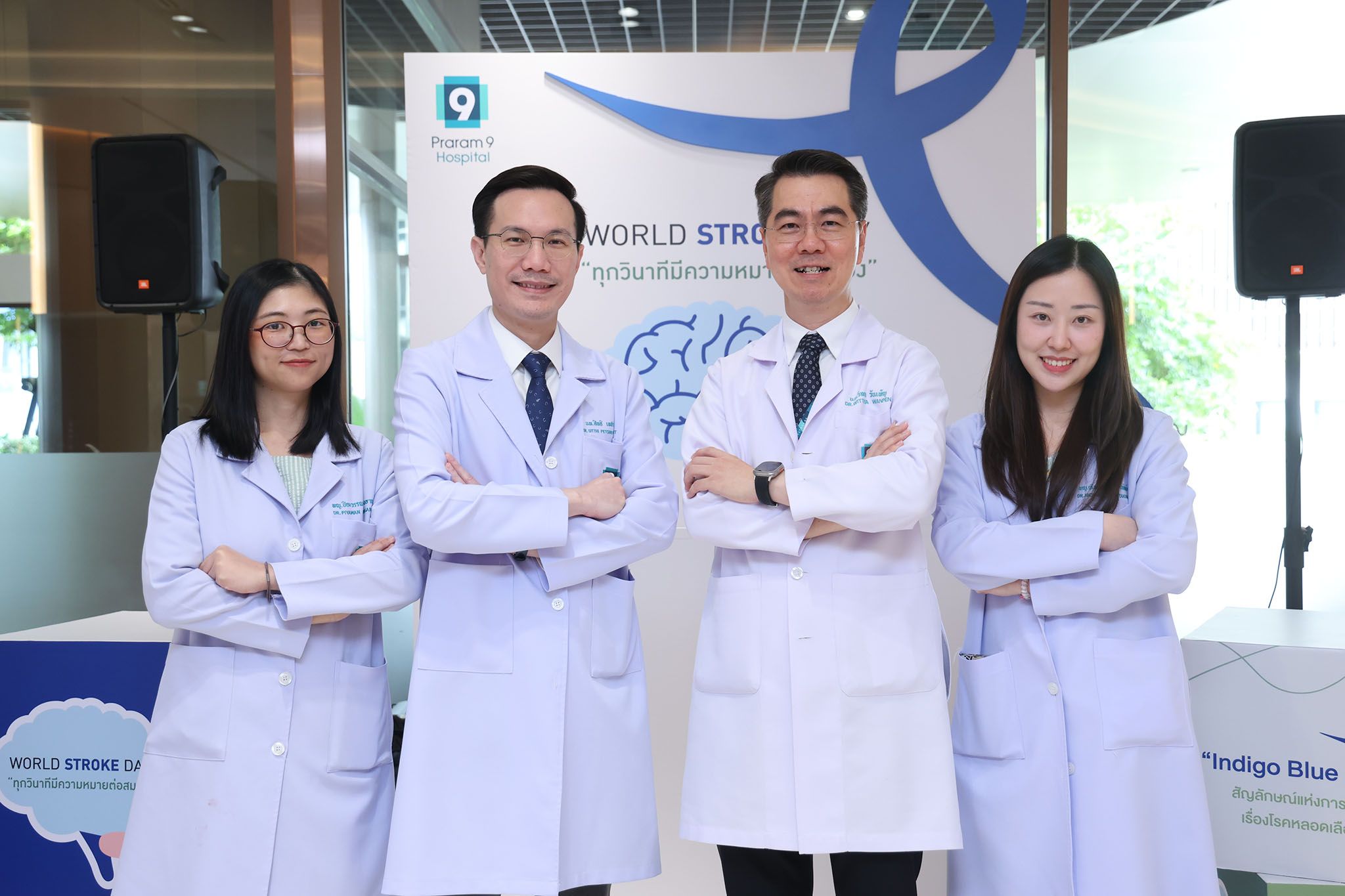
In recognition of World Stroke Day, observed annually on 29 October, the Neurology Center at Praram 9 Hospital organized World Stroke Day 2026 under the theme “Every Second Counts for the Brain” on Wednesday, 28 October 2026, from 1:00 PM to 3:40 PM, at the Activity Area, 2nd Floor, Building A, Praram 9 Hospital.
The event aimed to raise public awareness of stroke prevention, early recognition, timely treatment, and rehabilitation through educational activities and expert-led discussions.
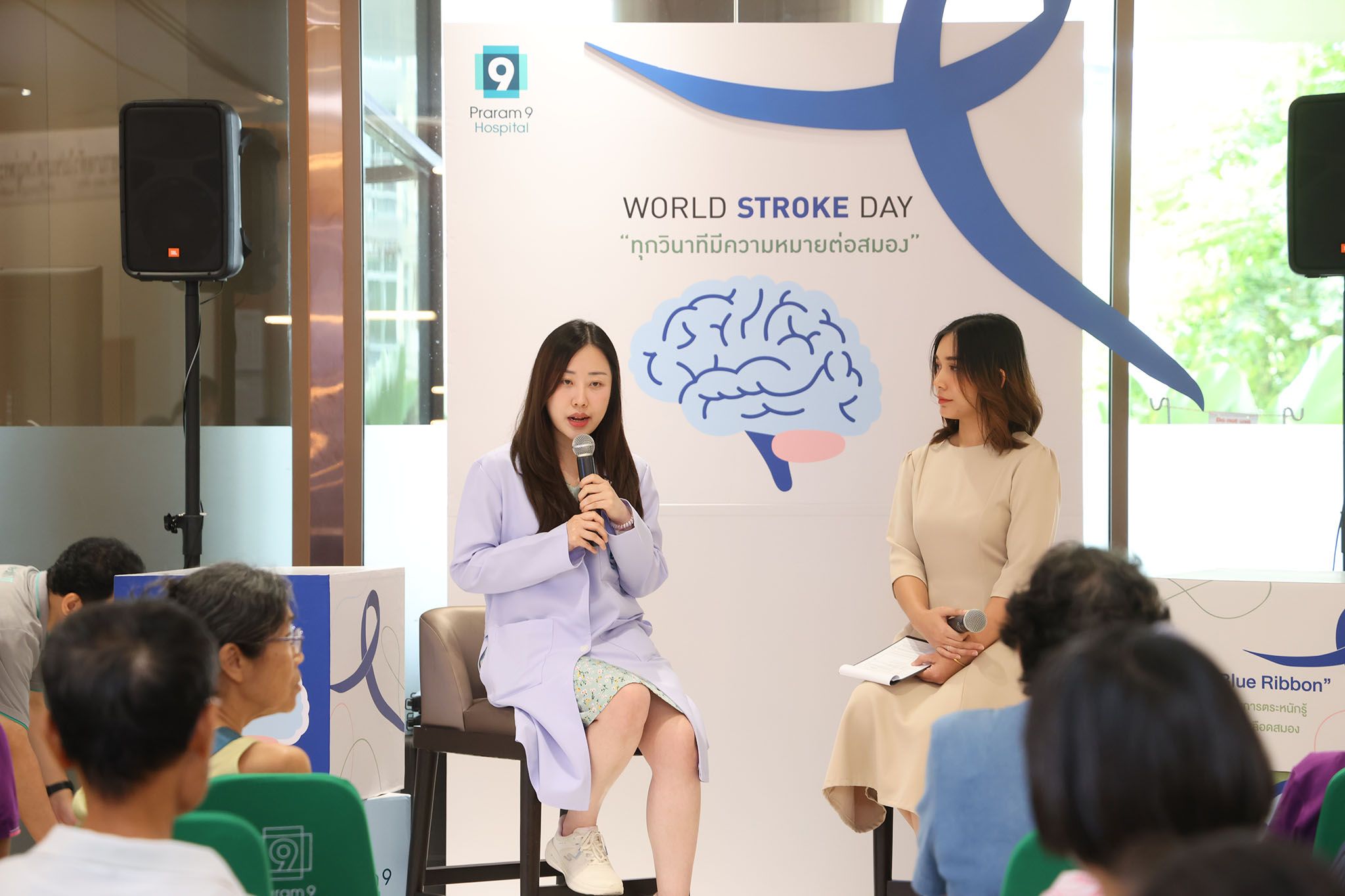
The program featured two Doctor Talk sessions:
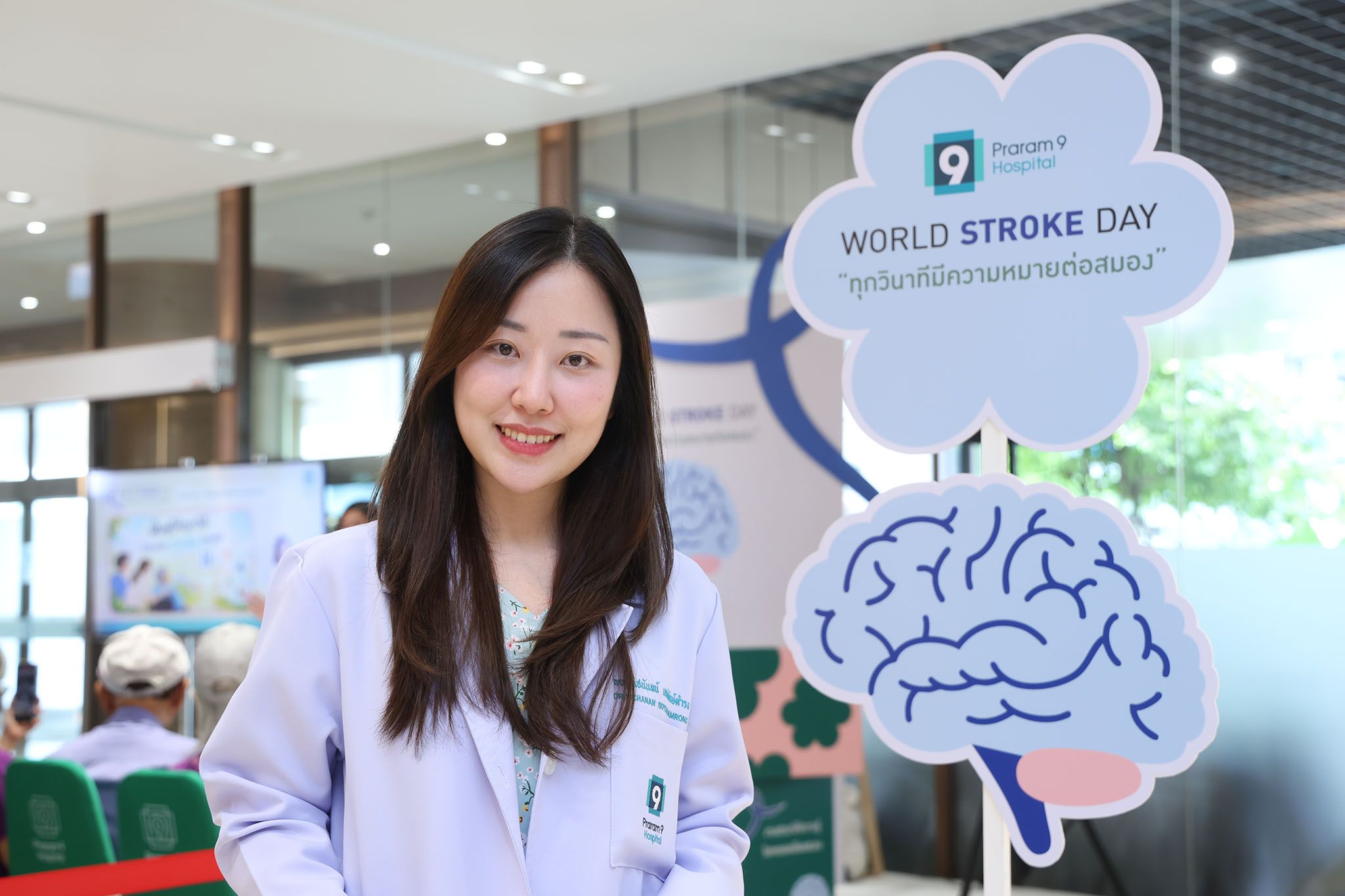
- “Brain Ischemia: Every Second Counts”, presented by Nichanan Ekpitakdamrong, M.D., Neurologist specializing in Cerebrovascular Diseases.
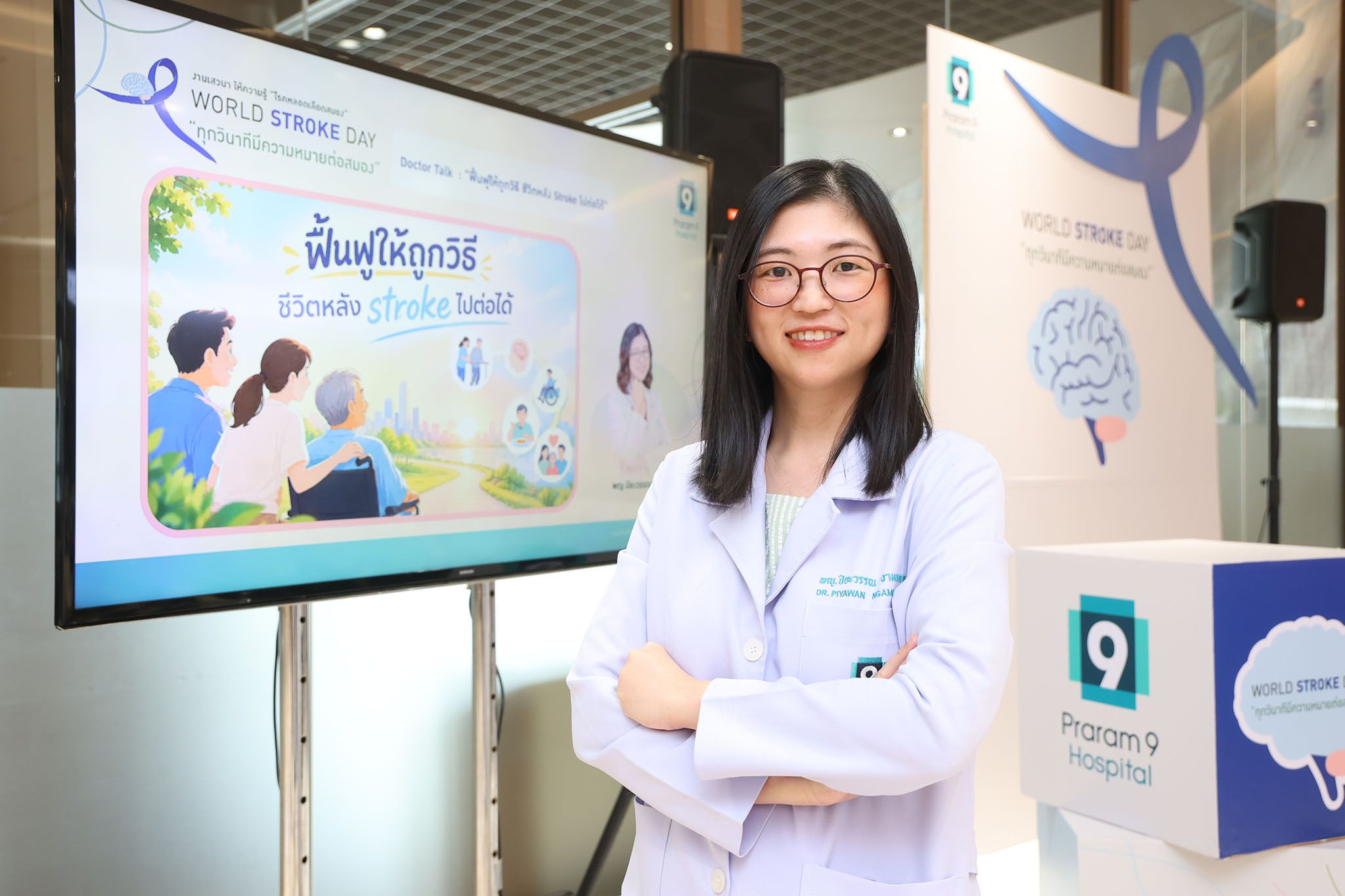
- “The Right Rehabilitation: Moving Forward After Stroke”, presented by Piyawan Ngamongard, M.D., Rehabilitation Medicine Specialist.
Participants also had the opportunity to learn about advanced stroke treatment technologies and visit the Biplane DSA facility at the Cath Lab Center, 4th Floor, Building A, Praram 9 Hospital.

Dr. Sitthi concluded by emphasizing that stroke is a medical emergency in which every second matters. Recognizing the BEFAST warning signs and having access to an efficient Stroke Fast Track system are essential to improving survival, reducing long-term disability, and helping patients return to a better quality of life.
Other News
View All